
Good family travel safety tips are usually less about preparing for rare disasters and more about handling the ordinary things that go wrong when kids are tired, the day is crowded, and everyone is out of routine. A rushed airport transfer, a hotel room with a bad layout, a missed nap before pool time, or a child who is suddenly too hot, too hungry, or too done can all make a trip feel harder fast.
That is why travel safety with babies, toddlers, and young kids works best when it stays practical. The goal is not to make family travel feel scary. It is to make the setup clearer before the trip starts and easier to manage once the day is moving.
This guide covers the highest-value safety decisions families usually need to think through: transport, car seats, rideshares, airports, sleep, temporary spaces, crowds, weather, water, food, medicine, and what to do when the day starts slipping.
What family travel safety really means
Real family travel safety tips are usually less about dramatic emergencies and more about everyday situations that get harder once a family is tired, out of routine, and moving through unfamiliar places.
Most travel safety problems start in ordinary moments: a rushed transfer, a child getting loose in a crowded space, a bad room setup at bedtime, a car-seat decision made too late, or a parent trying to solve too many things at once while everyone is already worn down.
That is why I do not think of travel safety as a separate category from planning. The safer trip is usually the one with fewer last-minute decisions, fewer unclear handoffs, and fewer situations where the adults are improvising under pressure.
This is also the logic behind the CDC’s family travel guidance for children. It consistently points parents back to preparation, supervision, safe transport, and realistic planning instead of vague reassurance. The goal here is not to make travel feel risky. It is to make the setup clearer before the trip starts.
A useful way to think about it:
| Travel safety problem | What usually lowers the risk |
| rushed movement | simpler bag setup, clearer transport plan, fewer loose ends |
| tired kids and tired adults | more margin, more food and water access, simpler decisions |
| unfamiliar rooms and transport | a quick scan, a real setup plan, fewer assumptions |
| crowded or transition-heavy days | closer supervision and less improvising |
Why travel changes normal routines and supervision patterns
At home, parents usually know where the weak spots are. They know which door needs to stay shut, where the medicine is, how bedtime works, and what the morning looks like when the child is already tired. Travel takes that away. The child is still the same child, but the setting is less predictable. There are more transitions, more waiting, more unfamiliar spaces, and more moments when the adult’s attention is split.
That changes supervision in small but important ways:
- the parent is holding documents, bags, and snacks at the same time
- the child is moving through places with more people and more distractions
- the room or car setup is not yet familiar
- the day is often running on less sleep, more noise, and less routine
A quick supervision shift:
| At home | While traveling |
| routines are familiar | routines are interrupted or compressed |
| hazards are mostly known | hazards change by room, car, and destination |
| help is usually close | help may be slower or less clear |
| the child knows the space | the child is reacting to a new one |
That is why travel safety with kids often comes down to noticing how much more easily adults get pulled away from direct supervision during travel.
Why tired parents and rushed movement create mistakes
This is one of the biggest travel safety patterns, and it is usually not dramatic. Parents make weaker decisions when they are hungry, rushed, carrying too much, or trying to fix a problem in motion. Kids get harder to manage when they are tired, overstimulated, and moving through one transition after another. Put those together, and you get the conditions where avoidable mistakes happen.
The most common version is not a big crisis. It is something smaller:
- the wrong item is packed too deep, so a quick fix becomes a stressful one
- the family takes a transport shortcut they did not really plan for
- the child gets more freedom than they can handle safely in a crowded place
- bedtime gets improvised in a room that has not been checked yet
That is why I think good travel safety starts with reducing friction. If the bags are simpler, the transport plan is clearer, and the next step is already decided, the adults make better decisions under pressure.
Why family travel safety is mostly about preparation and environment
Most of the useful safety work happens before the problem shows up. Families do better when the transport plan is decided early, the room gets checked before the child starts exploring, the day bag actually holds the items that solve the next hour, and the adults are not trying to improvise once everyone is already tired. That is what I mean when I say safety is mostly about preparation and environment.
It is not usually about adding more rules. It is about making the setting work better for the child you already know. A toddler who climbs at home will probably climb in a rental. A baby who sleeps best in a certain kind of setup will not suddenly need less support because the family is on vacation. A preschooler who wanders when excited will still do that in an airport or rest stop if the plan is loose.
A simple preparation view:
| Before the problem | Safer setup |
| transport is vague | car seat, stroller, walking, and pickup plan are already clear |
| room has not been checked | hazards are spotted before bags are fully unpacked |
| child is hungry and tired | snacks, water, and a reset plan are already in reach |
| bedtime starts in chaos | first-night sleep items are easy to grab |
The American Academy of Pediatrics takes a similar approach in its travel safety guidance for families. The focus is not on dramatic warnings. It is on planning ahead for transport, sleep, heat, supervision, and routine disruptions that can make children less safe if families are unprepared.
Why the goal is lower friction and fewer preventable problems
I think this is the most useful way to frame travel safety with toddlers and young kids. The goal is not “perfect control.” The goal is lowering the number of moments where the adults are rushed, underprepared, or making decisions in motion. That is what cuts down on preventable mistakes.
Lower friction usually looks like:
- fewer loose items and clearer bags
- simpler transport choices
- one obvious place for medicine, wipes, and backup clothes
- less over-scheduling
- easier room setups on arrival
- quicker access to food, water, and comfort items
A practical way to think about it:
| High-friction day | Lower-friction day |
| unclear transport plan | transport already decided |
| child is tired and hungry before the next stop | snacks and water already packed for the gap |
| safety items are split across too many bags | the right items stay in the same place every trip |
| adults are still deciding in the moment | the next step was already thought through |
That is what most real family vacation safety tips come down to. Not fear. Not trying to control every possible problem. Just creating a setup where the ordinary problems are easier to handle before they turn into bigger ones.
The biggest safety risks parents run into while traveling
Most family travel safety issues are not rare or dramatic. They are the ordinary problems that get more serious because the family is out of routine, moving quickly, and working in a less controlled environment. That is why I like looking at travel safety in terms of real situations instead of vague worry.
For most trips with babies, toddlers, and preschoolers, the biggest risks usually come from a short list:
- transport decisions made too late
- sleep setups that are not as safe as they look
- crowded places where a child can get out of reach fast
- heat, sun, dehydration, and water exposure
- missing medicines or emergency details when the day gets harder
A simple risk map helps:
| Travel risk | Why it shows up so often |
| transport mistakes | parents are rushed, tired, or assuming they will “figure it out there” |
| unsafe sleep setups | unfamiliar rooms make it easier to miss small hazards |
| wandering in crowds | toddlers move fast and adults are often carrying too much |
| heat and dehydration | travel days interrupt normal food, drink, and rest patterns |
| missed medicine or emergency info | the right items are packed, but not packed where they can actually help |
Transport mistakes usually start before the family ever gets moving
A lot of travel safety problems begin with a vague transport plan. The family lands and has not fully decided whether they are using a rental car, public transport, a rideshare, or some mix of all three. Or they know the plan in theory, but have not worked through what that means for the child’s actual safety setup.
That is when rushed trade-offs happen:
- deciding to skip the car seat because the ride is “only short”
- assuming the destination will have the right setup waiting
- choosing a transport option that looked easy online but does not work well with tired young kids and bags
A useful transport check:
| If this is unclear before the trip | It can become this problem during the trip |
| how the child will ride safely after arrival | last-minute unsafe transport decisions |
| whether the family needs to bring a car seat | rushed compromises at the curb or rental desk |
| how many transfers the day includes | more chances for missed supervision and tired decisions |
This is one reason transport planning belongs high on the safety list. Families usually make better safety choices when they decide the transport structure before the pressure starts.
Unsafe sleep setups are one of the most common hidden travel risks
Sleep risks on trips are often not obvious at first glance. A hotel bed can look fine until you think about rolling, loose bedding, gaps, pillows, cords, extra blankets, or a tired parent deciding to improvise because the room setup is harder than expected. The American Academy of Pediatrics’ safe sleep guidance stays relevant here too: babies should sleep on a firm, flat surface free of soft bedding and loose items. Travel does not change that.
The travel version of this problem usually starts with:
- assuming the hotel or rental sleep setup is automatically safe
- using unfamiliar bedding without checking it closely
- trying to solve an overtired bedtime with a setup the family would not normally use at home
A simple sleep-risk view:
| Sleep setup issue | Why it matters more on trips |
| loose bedding | tired parents may accept a setup they would not use at home |
| unfamiliar crib or sleep surface | small problems are easier to miss in a new room |
| child sleeping in the wrong place “just for one night” | travel fatigue makes risky shortcuts more tempting |
This is one of the biggest reasons I think first-night safety matters so much. Families usually do not make poor sleep decisions because they do not care. They do it because everyone is exhausted and the room still is not working.
Kids wandering in crowded places happens faster than parents expect
Crowd safety becomes a bigger issue on trips because adults are doing more at once. They are scanning a gate number, loading a stroller, checking into a hotel, paying for food, pulling luggage, or dealing with another child.
That split attention is exactly what gives toddlers and young preschoolers the opening to drift farther than parents expected.
The National Center for Missing & Exploited Children recommends simple family planning for crowded places, including current photos, basic identifying information, and a clear meeting strategy for older children.
That advice translates well to travel because airports, stations, rest stops, and attraction lines all create the same basic problem: lots of movement, lots of distraction, and very little margin if a child gets out of reach.
A simple crowd-risk view:
| Crowded setting | What usually makes it harder |
| airport or station | luggage, lines, documents, and too many transitions at once |
| rest stop | adults focusing on bathrooms, food, and loading the car |
| hotel lobby or check-in | parent attention split between staff, bags, and kids |
| sidewalks or attraction entrances | excitement plus less predictable movement |
This is one of the risks that feels small until it happens. That is why I like treating close-supervision rules in crowds as part of the travel plan, not as something parents will just improvise well in the moment.
Heat, sun, and dehydration problems usually build slowly, then hit all at once
These are some of the most common travel safety problems because they often start looking like ordinary crankiness. A child is more clingy, fussier, slower, or less willing to eat, and the real issue is that the day got too hot, too long, too bright, or too dry before anyone fully stopped to reset. Travel makes this easier to miss because families are moving, distracted, and often out of their usual food and drink rhythm.
This is especially true with babies and toddlers because they depend on adults to notice the pattern early:
- they are spending more time in strollers, cars, or carriers
- adults are focused on getting somewhere, not always on the weather shift
- the day is often fuller than a normal home day
- snack and water timing may be off without anyone meaning for it to be
A useful heat-and-hydration check:
| Early problem | What it often means |
| child getting fussy much faster outdoors | heat or fatigue may be building |
| child drinking less than usual | hydration needs may be getting missed |
| stroller or car seat feeling hot and stuffy | the environment needs changing, not just the schedule |
| parent trying to push through the outing | the family may need a reset before things get harder |
This is one reason I think family vacation safety tips should always include weather decisions, not just gear. The day needs to stay flexible enough that adults can stop before the child is already overloaded.
Water and outdoor exposure become riskier when kids are tired and adults are distracted
Water risk on trips is not limited to swim time. Pools at hotels, beach access, hot tubs, ponds, fountains, docks, and even just kids playing near water late in the day all create situations where adults can underestimate how quickly things can shift. The CDC’s drowning-prevention guidance is clear that close, constant supervision matters, and that flotation devices are not a replacement for adult attention.
This is why I think water safety and outdoor safety need to be built into the trip structure:
- know where the water access points are before the child sees them
- pay more attention when the day is ending and everyone is tired
- avoid treating flotation gear like a substitute for supervision
- do not assume “we are not swimming” means the risk is gone
A simple water-risk view:
| Water or outdoor moment | What often makes it riskier |
| hotel pool area | relaxed adult attention because it feels controlled |
| beach setup | wide space, movement, and changing visibility |
| end of the day outdoors | tired kids and lower adult patience |
| non-swim time near water | false sense that the real “water activity” has not started yet |
This is one of the places where travel changes the normal family rhythm most. A child who is manageable around water at home may still be less predictable when the trip includes excitement, less sleep, and more movement.
Missed medicines or emergency information usually become a bigger problem because access fails first
Parents often do bring the right medicine or the right emergency information. The problem is that it is packed in a way that does not help when the child actually needs it. The fever medicine is in a checked bag. The insurance card photo is on one parent’s phone while the other parent is handling the child. The regular medication is packed, but the dosing tool is not.
That is why access matters as much as the item itself. The family health setup needs to work in real time, not just in theory.
A practical health-access check:
| Safety gap | What usually caused it |
| medicine is packed but not usable | wrong bag or missing support item |
| emergency info exists but is hard to find | scattered between phones, wallets, and bags |
| parent cannot answer basic medical details quickly | no simple written or digital backup |
| problem gets more stressful at night | the useful items are buried too deep |
Travel days make these gaps more obvious because there is less margin and less easy access to home backups.
Overstimulation often leads to weaker parent decisions before anyone notices
This is one of the less obvious travel safety risks, but it drives a lot of the others. Once children are overtired, hungry, hot, overstimulated, or emotionally overloaded, the adults often start making decisions in reaction mode. That is when the family says yes to a transport plan they had already decided was not ideal, skips a needed break, lets bedtime slide too far, or pushes one more stop into a day that was already full.
What makes this important is that overstimulation usually shows up before the obvious safety mistake:
- the child stops cooperating
- the adults get rushed and irritated
- the bags stop feeling organized
- the whole plan starts depending on “just get through this part”
A practical overstimulation check:
| When the day starts feeling like this | It usually means this |
| everyone is rushing and snapping | the safety margin is dropping |
| the child is melting down over small things | food, rest, heat, or overstimulation may be the real issue |
| adults are suddenly taking shortcuts | the day probably needs a reset, not more pressure |
| the next step feels harder than it should | friction is building into a safety problem |
This is one reason I think the safest travel days are usually the ones with more room built in. Not because everything has to be slow, but because families make better choices when they are not already running on empty.
If this is your first time traveling with a baby and a toddler, check out my detailed guide here.
How safety needs change by age
One of the easiest ways to miss a real travel risk is to assume “kids” are one category. They are not. The same airport, hotel room, rental car, pool, or hiking trail can create totally different problems depending on whether the child is a newborn, an older baby, a toddler, or a preschooler. That is why travel safety with toddlers and baby travel safety often need different planning, even on the exact same trip.
I usually think about age-related safety in terms of what the child can do, what they cannot judge yet, and what kind of support they still fully depend on an adult to manage. A newborn changes the trip because of feeding, temperature, and sleep needs.
A mobile infant changes it because they can reach more than you think. A toddler changes it because they move fast, climb, and wander before they understand danger. A preschooler changes it because they seem more capable than they really are.
A simple age-based view:
| Child stage | What usually drives the safety plan |
| Newborn | feeding, temperature, transport, safe sleep, parent recovery and fatigue |
| Infant | mobility, choking and feeding support, climbing and grabbing, sleep setup |
| Toddler | wandering, climbing, transport decisions, crowd safety, water and room hazards |
| Preschooler | independence without judgment, outdoor boundaries, crowd separation risk |
Newborn travel safety concerns are mostly about support, not movement
Newborns are not usually the child racing toward the pool or climbing hotel furniture, but they still change the safety setup in important ways. A newborn depends on adults for every part of the environment: feeding, temperature, transport, sleep, and how long the day stretches before everyone stops and resets. That means the biggest risks at this stage are usually not “active” risks. They are support failures.
The trip gets harder when:
- feeds get delayed or harder to manage
- the baby gets too warm or too cold in transit
- the adults are too tired to keep routines and decisions clear
- the sleep setup is treated casually because “they are too little to move anyway”
The American Academy of Pediatrics’ safe sleep guidance matters here even away from home: babies should sleep on a firm, flat surface, on their back, without loose bedding or soft objects. Travel does not lower that standard.
A useful newborn safety view:
| Newborn issue | Why it matters on trips |
| feeding timing | travel days make it easier to drift off schedule |
| temperature and layering | airports, cars, and hotel rooms change fast |
| safe sleep setup | tired adults may accept a weaker setup than at home |
| adult fatigue | almost every other safety decision gets harder when the adults are running low |
Infant mobility and feeding change the safety plan faster than most parents expect
Infants often become harder to travel with before they become easier, because they move more without understanding any of the risks around them. They start grabbing cords, pulling at loose objects, rolling into awkward places, crawling toward doors or bathrooms, and finding hazards in rooms that looked completely harmless five minutes earlier.
Feeding also changes the safety picture at this stage. Once babies are drinking, chewing, and eating more actively, the travel-day setup has to work harder around food timing, choking awareness, cleanup, and keeping the right items easy to reach.
A practical infant-risk view:
| Infant safety shift | What it changes |
| more rolling and crawling | room scans matter more on arrival |
| more grabbing and pulling | cords, outlets, loose objects, and table edges matter more |
| more active feeding | snack, bottle, and choking-awareness planning matter more |
| less stillness in transit | carrying, stroller, and seat setups need more thought |
This is the stage where “the room looked fine” stops being a good safety check. Mobility changes the whole setup.
Toddler wandering and climbing risks change the whole safety setup
Toddlers are the age group that make travel feel most physically active from a safety point of view. They move fast, they climb before they understand danger, and they are often most likely to bolt exactly when the adult has their hands full. That is why toddler travel safety is usually less about carrying more gear and more about creating a tighter setup around movement, supervision, and transitions.
The biggest toddler risks on trips usually show up in places like:
- hotel rooms with furniture, cords, and balconies
- airport gates and crowded walkways
- rest stops and parking lots
- pool areas and beach access points
- rentals with stairs, kitchens, or doors that lead outside fast
This is also the stage where transport safety decisions matter more than they did with a younger baby. A toddler is stronger, more opinionated, and often less willing to be contained once tired. That is why age-specific questions like does a 2-year-old need a car seat on a plane become more relevant in real life than many parents expect.
A practical toddler-risk view:
| Toddler behavior | What it changes on a trip |
| wandering quickly | adults need clearer handoff and hand-holding rules |
| climbing furniture and railings | room scans matter more on arrival |
| resisting transitions | rushed moments become less safe |
| running when excited | airports, lobbies, sidewalks, and rest stops need tighter supervision |
The American Academy of Pediatrics’ injury-prevention guidance through HealthyChildren.org is useful here because it consistently comes back to the same point: toddlers are mobile long before they are safe to trust around common hazards.
Preschooler independence can look safer than it really is
Preschoolers often make adults relax a little too early. They can walk farther, follow more directions, and talk through what they want. That makes them seem much safer than toddlers in some settings. The problem is that their judgment still lags behind their confidence. They may understand a rule in a calm moment and still ignore it when they are excited, tired, distracted, or trying to keep up with the family.
That is why preschool travel safety usually shifts from pure physical containment to simpler expectations and clearer boundaries. The child may not need the same kind of supervision as a toddler in every second, but they still need adults to stay ahead of the environment.
This is especially true in transport and transition-heavy settings. A preschooler may look old enough for more freedom, but the safer setup often still depends on a very deliberate adult plan. That is part of why does a 4-year-old need a car seat on a plane becomes a real question for many families. The issue is not just age. It is what kind of support helps the child stay safer and more settled in a travel environment.
A practical preschooler-risk view:
| Preschooler pattern | Why it can still create safety issues |
| wants independence | may move ahead of the adult too quickly |
| understands rules sometimes | may not apply them when overstimulated |
| seems easier than a toddler | adults may lower supervision too soon |
| can communicate well | may still make impulsive choices in unfamiliar places |
The same trip creates different risks depending on the child’s age
This is why age-specific travel safety matters so much. A hotel room that mainly feels like a sleep setup issue for a newborn may feel like a climbing and outlet problem for a toddler. The same airport can be mostly a feeding and noise issue for an infant, a wandering issue for a toddler, and a separation issue for a preschooler who thinks they can walk ahead. The location stays the same. The safety pattern changes with the child.
I find it helpful to think about the same trip in age layers:
| Same trip setting | Newborn risk | Infant risk | Toddler risk | Preschooler risk |
| airport | feeding, temperature, overtiredness | overstimulation, grabbing, missed naps | wandering, running, transition resistance | getting separated, overconfidence |
| hotel or rental | safe sleep setup | cords, reachable hazards, furniture edges | climbing, doors, bathroom access | stairs, balconies, exploring too freely |
| local transport | adult fatigue, proper restraint setup | restraint plus feeding or comfort timing | resisting restraint, rushed loading | seeming “old enough” for less support than they still need |
| outdoor outing | temperature, sun, feeding | mobility and exposure | falls, wandering, water approach | boundary-testing, fatigue, distraction |
That is really the reason this whole section matters. Good family travel safety does not come from one flat checklist for “kids.” It comes from planning for the child who is actually taking the trip.
Safe transport planning before the trip
A lot of family travel safety problems are really transport planning problems in disguise. The family does not mean to make a risky choice. It just happens at the worst possible moment: after landing, at the curb, in a rush, with too many bags, one tired child, and no real plan for how everyone is getting to the next stop safely.
That is why I think transport planning belongs near the top of any list of family travel safety tips. The safest option is usually the one that has already been decided before the trip starts. Once the family is tired and moving fast, it gets much easier to make a choice based on convenience instead of what actually works best for the child.
A simple transport-planning view:
| Transport question | What it affects |
| How will the child ride safely after arrival? | car seat plan, pickup plan, and first transfer stress |
| How many transitions are in the day? | supervision, bag handling, and rushed decisions |
| Will the family walk, ride, or mix both? | stroller, carrier, and daily safety setup |
| Is the plan realistic with tired kids and luggage? | whether the safest plan still works in real life |
Rental car, rideshare, and public transport each change the safety setup in different ways
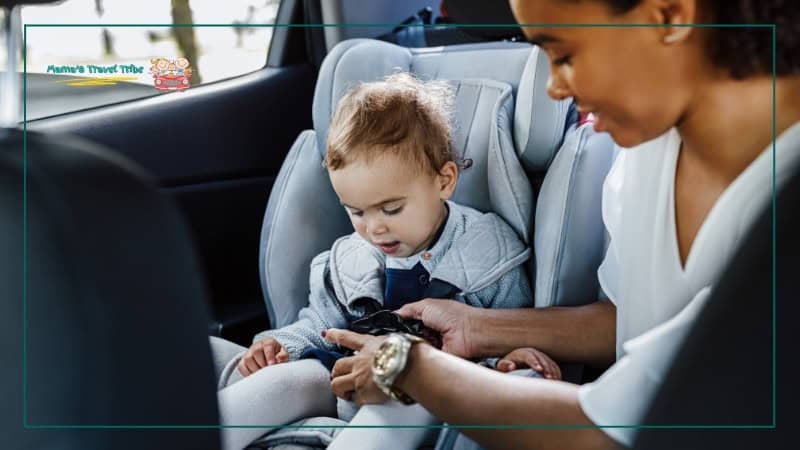
These transport options are not interchangeable once young kids are in the picture. A rental car gives the family more control over the child’s restraint setup, but adds the work of installing the seat and managing the handoff after travel.
A rideshare or taxi can feel easier in the moment, but often creates the most pressure if the car seat plan is weak or unclear. Public transport removes the car-seat issue in some situations, but can add new supervision and mobility challenges if the family is moving through busy stations or carrying too much.
That is why I like deciding the transport mode based on the child’s actual safety needs, not just whatever looks easiest online.
A practical comparison:
| Transport type | Usually safer when… | Usually harder when… |
| Rental car | the family wants full control over restraint and timing | the trip has too many handoffs or the seat setup is not planned |
| Rideshare or taxi | the route is simple and the safety setup is already solved | the family is hoping to “figure out” the car seat at pickup |
| Public transport | the route is walkable and the family can manage the movement safely | the child tires easily, wanders, or the bags are too hard to manage |
The CDC’s guidance on traveling with children supports the same bigger point: children travel more safely when transport and supervision are thought through before the trip, not improvised once the day is already moving. You can see that reflected in its family travel guidance on traveling with children.
When to bring your own car seat
This is one of the highest-value transport questions because it changes everything else. If the child is going to need a car seat repeatedly, or if the family is depending on vehicles the whole trip, bringing your own seat usually makes the setup safer and simpler than hoping the destination has the right one waiting. On the other hand, if the seat will barely be used and the trip is built around walking, trains, or one short transfer, the trade-off can look different.
What matters most is not just whether the child uses a car seat at home. It is whether the trip depends on one in ways that are hard to solve once you get there.
A simple car-seat decision check:
| Bring your own seat when… | Think harder before skipping it when… |
| the child will ride in cars several times | the destination transport is unclear |
| safety and setup consistency matter a lot | you are assuming a seat will be available on arrival |
| the family already knows how it will move through the trip | the first car ride happens right after a long, tiring travel day |
This is exactly where the best airline-approved car seats for travel becomes useful inside the safety cluster. It helps parents narrow down which seats are realistic to bring, not just whether a seat is needed in theory.
When destination transport changes what you pack
Transport planning is not just about how the child gets from the airport to the hotel. It changes the whole daily safety setup. A walkable destination may make a stroller or carrier more important than a car seat after day one. A city built around rideshares may make the restraint question more urgent, not less. A resort with shuttle movement may change what needs to stay in the day bag. Once the destination transport changes, the packing list changes with it.
That is why I usually ask transport questions early:
- Will the family mostly walk or mostly ride?
- Will the child need a stroller for safe daily movement?
- Will there be repeated car transfers that depend on a restraint plan?
- Is the family packing for the place or for how they will move through it?
A practical transport-and-packing view:
| Destination setup | What it often changes |
| Mostly walkable trip | stroller, carrier, lighter bag system |
| Repeated rideshare use | tighter car-seat planning |
| Frequent day trips by car | easier access to restraint gear and child essentials |
| Heavy transit and transfers | simpler bags and closer supervision plan |
Walkability and daily logistics affect safety more than families expect
A destination can look “easy” online and still be a poor fit once you add a stroller, a tired toddler, a baby who needs feeding breaks, bags, weather, and the fact that every extra transfer gives the adults one more chance to get rushed. That is why walkability is not just a convenience issue. It is a safety issue too.
The more the family can move through the day without constant transport changes, the fewer moments there are for:
- rushed curbside decisions
- unsafe loading and unloading
- tired kids moving near traffic
- adults splitting attention between directions, bags, and supervision
A practical walkability check:
| If the destination is… | It often means… |
| highly walkable | fewer transport handoffs and clearer daily movement |
| transport-heavy | more chances for rushed decisions and tired supervision |
| spread out with lots of transfers | the family needs a much stronger daily plan |
This is also where daily logistics matter. A hotel that looks fine on a map but puts the family a long walk from food, rest, shade, or the room can make a day less safe simply because everyone is more likely to push too long before stopping.
You’re right. I used HTML, and that won’t render properly here.
Here’s the corrected version with a proper embedded markdown link:
Avoiding “we’ll figure it out there” transport decisions is one of the easiest safety wins
This is the phrase behind a lot of avoidable family travel stress. It sounds flexible, but with young kids it often turns into one rushed decision after another. The family lands, everyone is tired, the child still needs the same safety setup they needed before the flight, and now the adults are trying to make transport choices on the curb.
That is usually when the weaker trade-offs show up:
- using a ride that is not really the right fit
- skipping a restraint plan because the line is moving
- carrying too much because the daily movement plan was never settled
- underestimating how much the first transfer affects the whole day
A simple transport-planning rule works well:
- decide how the child will travel safely before the trip
- decide what gear that plan depends on
- decide what the first transfer after arrival will look like
- decide what happens if the original plan falls through
Families relying on app-based rides should work through that part before departure, not after landing. That is exactly why planning how to get an Uber with a car seat belongs in the safety setup before the trip starts.
Car seat safety while traveling
Car seats are one of the biggest places where family travel safety turns into a real planning decision. Most parents already know the child rides safest in the right seat, used the right way. What gets harder on trips is everything around that: flights, rentals, rideshares, luggage, quick transfers, unfamiliar vehicles, and the temptation to make a “good enough” choice because everyone is tired.
That is why I think of car seat travel safety as part of the trip setup, not just part of the drive. The safest choice is usually the one the family can actually use consistently across the whole trip, not the one that only works well in theory.
A simple travel car-seat framework:
| Car seat question | Why it matters on a trip |
| Is the child going to ride in cars often enough to need your own seat? | Changes whether bringing it is worth the effort |
| Is the seat approved for the kind of travel you are doing? | Matters for flights and some travel setups |
| Will adults be installing, moving, or swapping the seat a lot? | More chances for rushed mistakes |
| Is the plan relying on a seat being available at the destination? | Weakens the setup if that plan falls through |
The National Highway Traffic Safety Administration is very clear on the bigger point here: the right seat has to match the child’s age, size, and stage, and it has to be installed and used correctly every ride. That guidance still matters when the ride is happening on vacation instead of at home. You can see that in NHTSA’s child passenger safety guidance at Car Seats and Booster Seats.
When to bring a car seat
Bringing your own car seat makes the most sense when the trip will involve repeated car rides, when the child does best in a familiar setup, or when the family does not want to gamble on what will be available after arrival. The seat may be bulky, but predictability matters. A known seat that fits the child well and that the adult already knows how to use usually lowers risk more than an unknown seat waiting somewhere else.
This is especially true when:
- the child will ride in multiple cars during the trip
- the family is renting a car
- the trip includes airport transfers plus daily driving
- the child is at an age where fit and restraint consistency matter a lot
A practical “bring it or not” check:
| Bring your own seat when… | Think harder when… |
| the child will ride in cars often | the trip is mostly walkable and car rides are rare |
| you want a seat you already trust | the seat is huge and the trip only uses it once |
| the destination setup feels uncertain | another safe, confirmed option truly exists |
For families still narrowing down options, airline-approved car seats for travel is the right internal follow-up because it helps answer the next real question: not just whether to bring a seat, but which kind of seat actually works for travel.
Airline-approved car seats matter if the trip includes flights
Once a trip includes flying, the car-seat question changes. A seat that works well in everyday life is not automatically the best travel choice if it also needs to move through an airport, possibly board an airplane, and then work again after landing. This is where airline approval and realistic bulk start to matter.
The FAA’s guidance on Flying with Children is useful here because it explains that children are safest when properly restrained and that approved child restraint systems can be used on aircraft when they meet the rules. That does not mean every family has to bring a car seat on board. It means the choice should be made on purpose, not at the gate.
A practical flight-related car-seat check:
| Flight car-seat issue | What to verify |
| Is the seat approved for aircraft use? | Check the label before the trip |
| Can the adults realistically move it through the airport? | Bulk matters more on travel days |
| Will the child use it on board or only after landing? | Changes how it should be packed and moved |
| Is the seat worth carrying for this exact itinerary? | Some trips justify it more than others |
Travel car seat trade-offs are really about consistency versus bulk
This is the part parents feel most. A travel-friendly car seat may be easier to carry, easier to move through an airport, and easier to fit into the trip. A heavier everyday seat may feel more familiar and more solid. The real decision is usually not “which seat is best?” It is “which seat can we use correctly and consistently through this trip without making everything else fall apart?”
That trade-off usually looks like this:
| Option | What it usually gives you | What it usually costs you |
| Lighter travel-focused seat | easier movement, easier airport handling | may feel less familiar or less robust to the parent |
| Regular everyday seat | familiarity and confidence | more bulk, harder transitions, more carrying stress |
That is why I like keeping the decision grounded in the trip itself. A seat that feels worth bringing on a long travel day with repeated driving may not feel worth it on a mostly walkable weekend where the child only rides once after landing.
Checking installation basics before departure matters more than trying to figure it out tired
A car seat plan is only as good as the adult’s ability to use it correctly when the trip is moving. Travel makes mistakes more likely because installation happens in parking lots, rental lots, hotel drop-off areas, and other places where the family is already juggling bags, time, and tired kids. That is why I always think the best time to solve the installation side is before the trip, not after landing.
That does not mean every parent needs a complicated technical checklist. It means the basics should already be familiar:
- how the seat installs in the kind of vehicle you are likely to use
- where the key parts are
- what the seat needs to fit correctly
- whether the adults on the trip can both handle it if needed
A simple pre-trip installation check:
| Before the trip | Why it helps later |
| review the seat’s instructions | lowers rushed mistakes in unfamiliar cars |
| practice installing it again if it has been a while | makes the setup feel more automatic |
| confirm the seat fits your child as expected | avoids last-minute surprises |
| make sure another adult understands the basics too | helps if one parent is handling the child and the other is handling the seat |
This is one of those quiet safety wins that does not feel exciting, but it lowers a lot of avoidable stress later.
Avoiding seat swaps without planning keeps the setup safer
Trips make seat-swapping tempting. A relative offers a car. A rideshare looks easier than expected. The family changes plans for the day. The seat gets moved from one vehicle to another more times than anyone expected. That is where the setup can start slipping. Even when the seat itself is right, repeated, rushed swaps create more chances for the install to be weaker than it should be.
I try to think of every seat swap as a risk point, not just a convenience choice.
A practical seat-swap check:
| If the trip involves this | It usually means… |
| several different vehicles | more chances for rushed or inconsistent installs |
| daily changes in transport | the car seat plan needs to be simpler, not looser |
| multiple adults moving the seat | everyone needs the same understanding of the setup |
| tired transfers late in the day | the safest plan is the one with fewer seat moves |
The less often the seat has to be moved, the more consistent the setup usually stays. That is one reason simple transport plans tend to be safer travel plans.
When not to rely on availability at the destination
A lot of families do this because it sounds reasonable. Maybe the rental company has seats. Maybe a local ride service offers one. Maybe the hotel can help arrange something. Sometimes that works. The problem is that “available” is not the same thing as “right for your child, in good condition, and ready when you actually need it.”
This is where travel safety usually improves when parents ask a harder question upfront: if the destination plan falls apart, what is the backup?
I would be cautious about relying fully on destination availability when:
- the first ride happens right after a long travel day
- the child is at an age or size where fit matters a lot
- the trip includes several car rides, not just one
- there is no strong backup if the seat is missing, delayed, or not a good option
A simple destination-availability check:
| Relying on destination seat availability is riskier when… | Why |
| the trip depends on it from the very first transfer | there is little room to recover if it fails |
| the family has not confirmed the details clearly | “should be available” is not the same as a real plan |
| the child needs a very specific setup | generic availability may not meet the need |
| everyone will already be tired on arrival | tired parents make weaker trade-offs under pressure |
That is really the bigger point of car seat planning on trips. The safest setup is usually the one that does not depend too heavily on hope, timing, or last-minute availability.
Rideshare and taxi safety with babies and toddlers
This is one of the most frustrating parts of family travel because the easiest transport option on paper is often the messiest one once little kids are involved. Rideshares and taxis are built for fast pickup, fast loading, and fast turnover. Parents usually need the opposite: enough time to think, enough space to load carefully, and a clear plan for how the child is actually riding safely.
That is why I do not think of rideshare safety as a last-minute airport problem. It is a planning problem. The family needs to know before the trip whether rideshares are truly part of the safe transport plan or just the option that seems easiest when everyone is tired.
A simple rideshare-safety view:
| Rideshare question | Why it matters with young kids |
| Will the child have the right restraint setup? | Convenience does not replace safe restraint |
| Is the pickup likely to happen while everyone is rushed? | Rushed decisions create weaker safety choices |
| Is this a one-time transfer or part of the whole trip? | Repeated rides change what gear is worth bringing |
| Does the destination make rideshares realistic with kids? | Some trips look easier online than they feel curbside |
The CDC’s travel safety guidance is blunt on the bigger point: children should be properly buckled in an age- and size-appropriate restraint, and travelers should ride only in marked or official taxis or rideshares when possible. That guidance is especially useful here because it pushes parents back toward planning instead of improvising. You can see that in the CDC’s travel safety guidance on injury and death during travel.
Why rideshare rules are often not parent-friendly
The basic rideshare system is not really built around families with babies and toddlers. The driver wants a quick pickup. The app wants the ride moving. The curbside space is often crowded. The child may be tired, hungry, and already melting down. That is not a great setup for careful loading or a thoughtful restraint decision.
What makes it harder is that parents are often forced to solve several problems at once:
- matching the ride and license plate
- keeping the child close in a busy pickup area
- loading bags
- deciding what to do about the car seat if the original plan feels harder than expected
NHTSA’s seat belt guidance also matters here because it reminds families that seat belts matter in all forms of road transportation, including rideshares and taxis. A for-hire ride is still a road ride. You can see that in NHTSA’s guidance on seat belt safety.
A practical curbside reality check:
| Rideshare pressure point | Why it becomes a safety issue |
| fast pickup expectations | less time for careful loading |
| crowded airport or hotel curb | more split attention for the adult |
| tired child | harder transitions and weaker cooperation |
| bags and gear at the same time | easier for the adult to rush the setup |
What to think through before relying on Uber or taxis
Before the trip, I would want a clear answer to a few questions:
- Will the child be riding in a restraint you trust?
- Is the rideshare just one short transfer, or is it part of the whole daily plan?
- What happens if the ride arrives and the setup is not what you expected?
- Is there a safer backup if the first plan falls apart?
This matters because “we can always grab an Uber” is not really a child safety plan. It is a transport idea. The real safety plan has to answer how the child will ride, how the adult will handle the pickup, and whether the family is likely to make a rushed compromise under pressure.
A simple pre-trip rideshare check:
| Before relying on a rideshare | You should know… |
| how the child will be restrained | yes |
| whether the destination setup supports that choice | yes |
| what the backup plan is if the pickup goes badly | yes |
| whether the family can handle the gear and child at the same time | yes |
The safer choice is usually the one that still works when the ride is late, the child is tired, and the bags are heavier than expected.
Bringing your own seat versus booking around the problem
This is the real rideshare decision for most families. Either the family brings the seat and builds the trip around using it, or the family structures the trip to avoid needing frequent app-based rides with a young child. What usually does not work well is hoping the problem will solve itself once you are standing at the curb.
Bringing your own seat makes more sense when:
- the trip includes repeated rides
- the child is still at an age where safe restraint setup matters a lot
- the adults can realistically move the seat through the trip
Booking around the problem makes more sense when:
- the destination is highly walkable
- the family can use one safer transport option consistently instead of many rushed ones
- app-based rides would add more stress than they remove
A simple decision view:
| Better to bring your own seat when… | Better to reduce rideshare dependence when… |
| the child will ride often | the trip can be built around walking or one safer transport mode |
| the family needs restraint consistency | the seat would add too much bulk for very little use |
| pickup stress would otherwise force bad trade-offs | the destination lets you avoid repeated curbside decisions |
Destination-specific transport planning matters more than the app itself
A rideshare plan that works in one city can fall apart in another. Some destinations are easy to manage with walking plus one or two planned rides. Others look simple until you add heat, hills, traffic, long pickup waits, no safe place to stand with kids, or too much distance between where the family is staying and what they need each day.
That is why destination transport needs to be part of the safety plan before the trip starts. The app is not really the issue. The issue is whether the destination makes that kind of transport realistic with babies, toddlers, and preschoolers.
I would usually want to know:
- how often the family will need to ride
- whether daily outings can work on foot instead
- whether the pickup areas are likely to be chaotic
- whether the first transfer after arrival is the hardest one of the whole trip
A practical destination check:
| Destination setup | What it often means for rideshare safety |
| compact and walkable | fewer pickups, fewer rushed loading decisions |
| spread out with long distances | more dependence on repeated car transfers |
| crowded curbside pickup areas | closer supervision and clearer bag handling matter more |
| heat- or weather-heavy destination | waiting with kids becomes its own safety factor |
This is one reason I like the transport plan to start with the destination, not the app. The app only matters if the daily movement still works safely once kids, bags, naps, and weather are part of the picture.
If you need trip ideas and activities by age, visit this page!
Why rushed airport arrivals create bad safety trade-offs
Airport arrival is one of the easiest places for a good transport plan to fall apart. Everyone is tired, bags are everywhere, the child is off routine, and the adults are trying to move quickly because the curb, pickup zone, or line feels chaotic. That is exactly when families are most likely to make weaker decisions than they would have made at home.
The pattern is usually predictable:
- the family just wants to get out of the airport
- the child is less cooperative than normal
- the adults have too many things in their hands
- the first available ride starts looking “good enough”
That is why I think the first transfer after arrival deserves its own safety plan. It often has the lowest margin and the highest pressure.
A practical airport-arrival check:
| Arrival problem | Safer response |
| everyone is tired and overloaded | pause long enough to reset the bags and child before pickup |
| the first ride option is not ideal | use the plan already decided, not the fastest emotional choice |
| the child is melting down at the curb | solve regulation first if possible, then load |
| the adults are rushing because others are waiting | remember that rushed loading is exactly where bad trade-offs happen |
This is also why I try to keep the first-arrival setup as simple as possible. The fewer decisions the family has to make at the curb, the safer that first transfer usually is.
Airport and airplane safety basics with young kids
Air travel safety with little kids is usually about staying ahead of the ordinary things that get messy fast: busy terminals, split attention, loose items, tired kids, and long delays that make adults rush decisions they would not normally make.
The airport feels controlled, but for families it is really a place with a lot of movement, a lot of distraction, and not much room for sloppy handoffs.
That is why I think airport safety with kids starts before boarding. The best setup is usually the one that keeps the child physically close, keeps the highest-value items easy to reach, and lowers the number of moments where the adult is trying to manage documents, bags, food, and supervision all at once.
A simple airport-and-plane safety view:
| Safety area | What usually matters most |
| Airport movement | keeping the child close and the bags manageable |
| Boarding | not losing control of the essentials during the transition |
| In-seat safety | proper restraint, loose-item control, and calmer adult decisions |
| Delay management | food, water, and reset time before the day starts slipping |
Flights can be stressful. Read our detailed guide on what you need to know when flying with kids before you book your flight.
Keeping kids physically close in airports matters more than parents expect
Airports are one of the easiest places for kids to get farther away than adults realize. Parents are checking screens, watching the line move, folding strollers, pulling bags, and talking to staff.
That is exactly when a toddler decides to run toward the windows, the moving walkway, or the snack display. The risk is not just crowd size. It is how many things are competing for the adult’s attention at once.
I like thinking about airport supervision in very plain terms:
- who is physically responsible for the child in each transition
- when the child is walking versus riding
- when both adults’ hands are full
- what the rule is in lines, gates, and boarding areas
The TSA’s family travel guidance on traveling with children is useful here because it reminds families that security and terminal movement are their own part of the travel day, not just a wait before the real trip starts.
A practical airport-supervision check:
| Airport moment | What usually keeps it safer |
| security line | one adult focused on the child, one on bins and bags if possible |
| gate waiting | movement with a clear boundary instead of loose roaming |
| boarding area | child stays physically close before the line starts compressing |
| baggage claim or arrivals hall | same close-supervision rule even though the “hard part” feels over |
Stroller and carrier use in busy terminals should lower chaos, not add to it
A stroller or carrier is usually doing more than transporting the child in an airport. It is also helping with supervision. A stroller can keep a tired toddler from wandering during long walks or gate waits. A carrier can keep a baby close while the adult handles documents and bags. The safer option is usually the one that reduces split attention, not the one that looks easiest in one isolated moment.
What I usually want from terminal gear is simple:
- it keeps the child close
- it works through long walks and crowded transitions
- it does not create a bigger loading problem at security or boarding than it solves beforehand
A quick terminal-gear check:
| Terminal setup | Usually works better when… |
| stroller | the child needs rest, distance is long, and the terminal is not too awkward for it |
| carrier | the child is small enough and the adult needs hands-free movement |
| neither | only when the child can truly stay close and the route is simple |
The gear is doing its job if it lowers the number of moments where the adult has to choose between managing the child and managing the travel setup.
Boarding without losing track of essentials takes more planning than most families expect
Boarding is one of the most compressed parts of the whole travel day. Everyone is moving, bags are shifting, children are getting tired of waiting, and the family suddenly has to transition from gate mode to seat mode without dropping the things that actually matter.
That is where essentials get misplaced, the comfort item disappears, or the next snack and wipes end up in the wrong bag.
The safest boarding setup is usually the simplest one:
- the child is physically contained or very close
- the next-use items are already separated from the deeper carry-on items
- the adult is not reorganizing everything in the boarding line
- one person, if possible, is responsible for the child while the other handles the bags
A practical boarding check:
| Boarding risk | Better setup |
| too many loose items | fewer hand-carried items and a clearer personal-item layer |
| child getting restless right in the line | keep one quick comfort or snack option ready |
| essentials packed too deep | separate the next-use layer before boarding starts |
| adult attention split between the seat and the child | assign clear jobs before boarding begins |
You will also need to keep your travel documents close. For a more comprehensive guide on what documents do you need to carry for your child while travelling, visit our Child Travel Documents Guide blog.
Seatbelt and restraint basics matter most when the child is already done cooperating
This is one of the hardest parts of flight safety because it usually becomes most important at the exact moment the child wants the least structure. Takeoff, landing, turbulence, and long in-seat stretches are all harder when the child is tired, hungry, or frustrated.
That is why I think the restraint part of air travel works best when parents plan around the hard moment instead of assuming the child will just tolerate it because the rules say so.
For babies and toddlers, the key issue is not just whether the seatbelt is there. It is whether the child can stay safely restrained without the adult having to negotiate from scratch every time the cabin gets more restrictive.
What usually helps:
- keeping the child’s immediate comfort items close
- not using every distraction before the hardest stretch even starts
- making sure the adult knows what the restraint plan is before boarding
- keeping the seat area simple enough that the child is not overstimulated right away
A practical in-seat safety view:
| In-seat moment | What usually helps most |
| takeoff and landing | one calm setup, one comfort layer, fewer loose items |
| turbulence or seatbelt-sign periods | immediate access to what helps the child stay settled |
| long seated stretches | rotation and pacing instead of dumping everything out at once |
| tired-child resistance | calm adult response and fewer choices, not more chaos |
For some families, the safety question overlaps with whether the child should be in their own restraint system on the plane. That is exactly where articles like does a 2-year-old need a car seat on a plane or does a 4-year-old need a car seat on a plane fit into the broader air-travel cluster, because the real issue is often support and consistency, not just rules.
Managing overhead-bin hazards starts before the bags ever go up
Overhead bins create a very specific kind of family travel problem. Parents often focus so much on getting the bag into the compartment that they stop thinking about what is inside it, how likely it is to shift, and what the child is doing while that is happening.
The hazard is not just a bag falling later. It is the whole sequence of lifting, reaching, opening, and retrieving items in a cramped row while a child is nearby and often restless.
What makes this easier is a cleaner split between:
- what needs to stay with the family at the seat
- what can safely stay overhead until later
- what should never be packed in a way that requires constant bin access
A practical overhead-bin check:
| Overhead-bin mistake | Why it creates risk |
| packing next-use items overhead | forces unnecessary reaching and unpacking during the flight |
| stuffing the bin with unstable loose items | increases the chance of shifting or falling bags |
| opening the bin too often | creates repeated moments where the adult’s attention leaves the child |
| boarding with no clear bag plan | makes the row feel chaotic before the flight even settles |
The best setup is usually boring. The important things are already at the seat. The overhead items can stay put. The adult is not reopening the compartment every twenty minutes because the bag layout did not match the trip.
What to do during long delays before the day turns into a safety problem
Long delays are not just comfort problems. They change how safely the rest of the day goes. A child who is hungry, overtired, overheated, dehydrated, or totally done with the airport is much harder to supervise well.
An adult who is frustrated, rushing, and trying to salvage the schedule is more likely to make weaker decisions too. That is why long delays need a reset plan, not just a patience plan.
I usually think about delay safety in terms of what the family needs to protect first:
- food and drinks before everyone crashes
- movement before the child gets physically wild
- supervision before the airport starts feeling too familiar
- calm before the next rushed transition begins
A practical delay-reset view:
| Delay problem | Better first move |
| child is getting restless and unsafe in the gate area | movement with a clear boundary |
| hunger is making behavior worse | use the next snack before it becomes an emergency |
| the adults are rushing and getting sharp | stop and reset the bags, child, and next steps |
| the day is now running into naps or bedtime | simplify the rest of the plan instead of pushing harder |
This is one of the places where the bigger travel-safety mindset matters most. A long delay does not automatically make the day unsafe. It becomes a safety problem when the family keeps trying to force the original plan after the child and the adults have already run out of margin.
Seatbelt and restraint basics matter most when the child is already done cooperating
This is one of the hardest parts of flight safety because it usually becomes most important at the exact moment the child wants the least structure. Takeoff, landing, turbulence, and long in-seat stretches are all harder when the child is tired, hungry, or frustrated.
That is why I think the restraint part of air travel works best when parents plan around the hard moment instead of assuming the child will just tolerate it because the rules say so.
For babies and toddlers, the key issue is not just whether the seatbelt is there. It is whether the child can stay safely restrained without the adult having to negotiate from scratch every time the cabin gets more restrictive.
What usually helps:
- keeping the child’s immediate comfort items close
- not using every distraction before the hardest stretch even starts
- making sure the adult knows what the restraint plan is before boarding
- keeping the seat area simple enough that the child is not overstimulated right away
A practical in-seat safety view:
| In-seat moment | What usually helps most |
| takeoff and landing | one calm setup, one comfort layer, fewer loose items |
| turbulence or seatbelt-sign periods | immediate access to what helps the child stay settled |
| long seated stretches | rotation and pacing instead of dumping everything out at once |
| tired-child resistance | calm adult response and fewer choices, not more chaos |
For some families, the safety question overlaps with whether the child should be in their own restraint system on the plane. That is exactly where articles like does a 2-year-old need a car seat on a plane or does a 4-year-old need a car seat on a plane fit into the broader air-travel cluster, because the real issue is often support and consistency, not just rules.
Managing overhead-bin hazards starts before the bags ever go up
Overhead bins create a very specific kind of family travel problem. Parents often focus so much on getting the bag into the compartment that they stop thinking about what is inside it, how likely it is to shift, and what the child is doing while that is happening.
The hazard is not just a bag falling later. It is the whole sequence of lifting, reaching, opening, and retrieving items in a cramped row while a child is nearby and often restless.
What makes this easier is a cleaner split between:
- what needs to stay with the family at the seat
- what can safely stay overhead until later
- what should never be packed in a way that requires constant bin access
A practical overhead-bin check:
| Overhead-bin mistake | Why it creates risk |
| packing next-use items overhead | forces unnecessary reaching and unpacking during the flight |
| stuffing the bin with unstable loose items | increases the chance of shifting or falling bags |
| opening the bin too often | creates repeated moments where the adult’s attention leaves the child |
| boarding with no clear bag plan | makes the row feel chaotic before the flight even settles |
The best setup is usually boring. The important things are already at the seat. The overhead items can stay put. The adult is not reopening the compartment every twenty minutes because the bag layout did not match the trip.
What to do during long delays before the day turns into a safety problem
Long delays are not just comfort problems. They change how safely the rest of the day goes. A child who is hungry, overtired, overheated, dehydrated, or totally done with the airport is much harder to supervise well. An adult who is frustrated, rushing, and trying to salvage the schedule is more likely to make weaker decisions too. That is why long delays need a reset plan, not just a patience plan.
I usually think about delay safety in terms of what the family needs to protect first:
- food and drinks before everyone crashes
- movement before the child gets physically wild
- supervision before the airport starts feeling too familiar
- calm before the next rushed transition begins
A practical delay-reset view:
| Delay problem | Better first move |
| child is getting restless and unsafe in the gate area | movement with a clear boundary |
| hunger is making behavior worse | use the next snack before it becomes an emergency |
| the adults are rushing and getting sharp | stop and reset the bags, child, and next steps |
| the day is now running into naps or bedtime | simplify the rest of the plan instead of pushing harder |
This is one of the places where the bigger travel-safety mindset matters most. A long delay does not automatically make the day unsafe. It becomes a safety problem when the family keeps trying to force the original plan after the child and the adults have already run out of margin.
Hotel, Airbnb, and vacation-rental safety
A room can look family-friendly online and still be awkward or risky once you walk in with a tired child. That is why I think hotel and rental safety starts in the first few minutes after arrival, not later in the evening when everyone is already worn down.
Most of the real problems are ordinary ones: stairs, balconies, loose cords, sharp edges, bathroom access, kitchen hazards, and a child who starts exploring before the adult has fully scanned the space.
The safest setup is usually the one that gets simplified early. The family does not need to make the room perfect. It just needs to make the obvious hazards harder to reach and the safest parts of the room easier to use.
A simple room-safety view:
| Room area | What usually matters most |
| sleeping area | safe layout, cords out of reach, fewer loose hazards |
| bathroom | quick supervision, closed doors, fewer reachable risks |
| balcony or stairs | immediate boundaries and close adult attention |
| kitchen or kitchenette | hot surfaces, sharp items, and access control |
Room layout and access risks matter more than the listing photos
Photos usually tell you how nice a room looks, not how safe it feels with a toddler who climbs or a baby who rolls and reaches. The first thing I want to understand is the layout: where the child can move, what they can reach, where they could fall, and what parts of the space need more active supervision.
That usually means checking:
- how close the bed is to furniture edges or lamps
- where cords, outlets, and loose objects are
- whether the bathroom door closes securely
- how easy it is for the child to reach the exit door
- whether the room has a balcony, stairs, or a kitchenette that changes the whole setup
The U.S. Consumer Product Safety Commission’s guidance on childproofing at Babyproofing Your Home is helpful here because the same logic applies in temporary spaces too: look low, look reachable, and look for the hazards a child will find before you do.
A practical room-scan check:
| First thing you notice | What to check next |
| open floor space | what the child can reach from it |
| furniture near the bed | sharp edges, lamps, loose objects |
| visible cords | whether they can be pulled, chewed, or climbed near |
| easy door access | how quickly a child could reach it |
Balconies, stairs, and furniture edges change the room from “nice” to active-supervision space
These are the features that usually shift the whole safety setup. A room with a balcony or open stair access is not automatically unsafe, but it is a very different environment from one flat room with fewer climbing opportunities. The same goes for furniture edges, unstable chairs, glass tables, and anything that turns a normal tired-child evening into a fall risk.
I try to think of these as “active-supervision zones.” They are not the places where I want to assume the child will follow directions just because they are tired or because we already told them once.
A simple risk view:
| Room feature | Why it needs extra thought |
| balcony | height plus a child who wants to look and climb |
| stairs | tired feet, curiosity, and less predictable movement |
| sharp furniture edges | falls happen more easily in unfamiliar rooms |
| climbable chairs or tables | toddlers often test them right away |
This is also where I would rather ask for a simpler setup than work around a bad one. If the room has a feature that obviously does not fit your child well, it is usually worth asking early about a different layout instead of hoping bedtime will somehow make it easier.
Outlets, cords, blind cords, and loose objects deserve the first fast scan
These are not dramatic hazards, but they are the kind children find quickly in unfamiliar rooms. A charger cord hanging by the bed, blind cords near the window, a coffee station within reach, a lamp that tips easily, or loose objects on low tables can all become the child’s first target before the luggage is even open.
That is why I like doing one fast, low-level scan before I start unpacking:
- what is within child height
- what dangles
- what can be pulled down
- what is small enough to grab or mouth
- what would matter if the child reached it in the next five minutes
A practical first-scan table:
| Small-room hazard | Best first move |
| loose cord or charger | move it high or unplug it |
| blind cord | keep the child away from that area and reduce access |
| breakable object | move it immediately |
| low hot drink or coffee setup | clear that surface before settling in |
Bathroom risks need attention right away because they are easy to miss in the rush of arrival
Bathrooms in hotels and rentals can look harmless because they are small and familiar. With little kids, they are often one of the fastest places for trouble to start. Slippery floors, tubs, toilets, cleaning products, cords from styling tools, hot water, and low countertops all create more risk once the child starts moving through the room before the adult has fully settled in.
That is why I usually treat the bathroom as one of the first spaces to control. Not because it needs a full childproofing kit, but because a few quick choices make a big difference:
- keep the door shut when it is not in use
- move reachable items higher right away
- watch the floor for water before a child runs in
- do not leave styling tools, razors, or small products where a child can grab them
A practical bathroom check:
| Bathroom issue | Better first move |
| slippery floor | dry it fast and keep the child out until it is safe |
| reachable toiletries or cleaning products | move them high immediately |
| tub access | do not let the child play near it unsupervised |
| cords or hot tools | unplug and move them out of reach |
Doors and exits should be part of the room plan before the child starts exploring
A travel room often has more door-related risk than families expect. Children may be able to reach the main room door, slip into a hallway, open a bathroom at the wrong moment, or move toward an outside door in a rental much faster than adults realize.
That is especially true after a long travel day, when the adults are unpacking, checking messages, or trying to sort out food and bedtime at the same time.
I like making a clear mental map of:
- the main exit
- any second door or patio access
- which doors need to stay closed
- which parts of the room the child can use more freely
A simple door-and-exit check:
| Door or exit issue | Why it matters |
| easy-to-reach room door | a child can get into a hallway fast |
| patio or outside access | changes the room from simple to close-supervision space |
| bathroom or connecting-room door | creates extra movement points in tired moments |
| adults leaving doors partly open while unloading | gives wandering kids a quick opening |
Kitchen and hot-surface risks change the room more than parents expect
A kitchenette, rental kitchen, coffee station, or even just a microwave setup can turn a room into a much more active safety environment. Once there are hot drinks, sharp utensils, low cabinets, cleaning products, and reachable counters in the space, the family needs a different first-ten-minute plan.
What usually helps most is reducing access before the child starts roaming:
- move sharp or breakable items out of reach
- clear low counters if possible
- keep hot food and drinks away from edges
- do not assume a small kitchen setup is too minor to matter
A practical kitchen-risk view:
| Kitchen-type hazard | Better first move |
| hot drink or coffee setup | clear it before settling the child in |
| low breakables or utensils | move them high right away |
| reachable microwave or appliance area | keep the child out of that zone |
| open food prep during a tired arrival | simplify and reduce clutter first |
When to ask for a first-floor room or a simpler setup
Sometimes the safest move is not trying to work around a bad room. It is asking for a better one. A first-floor room, a room without a balcony, a simpler layout, or a setup away from obvious hazards can make a real difference for families with toddlers and young preschoolers.
I would think about asking early when:
- the child is in a strong climbing or wandering stage
- the room feature obviously raises the supervision load
- the family is arriving late and wants fewer moving parts
- the child’s sleep setup will work better in a quieter or simpler room
A practical “ask now” check:
| Room feature | Why it may be worth asking for a different setup |
| balcony or open stair access | adds a higher-supervision environment right away |
| complicated layout | harder to scan and manage with tired kids |
| noisy area near elevators or busy hallways | can make rest and supervision harder |
| first night likely to be rough | simpler room setup lowers the total friction |
Sleep safety away from home
Sleep is where a lot of travel safety decisions get made when everyone is already low on patience. A family can handle the airport well, manage the bags well, and still end up making weaker choices at bedtime because the room is unfamiliar, the child is overtired, and the sleep setup is not as clear as it looked on paper.
That is why sleep safety away from home matters so much. It is one of the few parts of the trip where tired adults are most tempted to improvise.
For babies, the basic safe-sleep rules do not change just because the family is traveling. The NICHD’s Safe Sleep Environment for Baby guidance still comes back to the same core ideas: a firm, flat sleep surface, baby on their back, and a sleep space free of soft bedding and loose objects.
The Consumer Product Safety Commission’s Safe Sleep guidance makes the same point and specifically says “Bare is Best” for cribs, bassinets, play yards, and bedside sleepers.
A simple sleep-safety view:
| Sleep situation | What usually matters most |
| baby sleep setup | firm flat surface, clear sleep space, no loose bedding |
| toddler or preschool sleep setup | room layout, fall risks, bedding fit, and easy supervision |
| overtired arrival night | fewer choices and a simpler setup |
| unfamiliar room | scanning the sleep area before the child settles in |
Crib safety still matters even when the crib is only for a few nights
A travel crib, hotel crib, or borrowed crib should still meet the same basic standard a parent would want at home: stable, correctly assembled, and free of extra bedding or loose items. Travel does not make soft padding, extra blankets, or “just this once” crib shortcuts safer.
For babies, what I want to check first is simple:
- is the sleep surface firm and flat
- is the fitted sheet the only bedding on it
- are there any pillows, bumpers, toys, or loose blankets in the space
- does the crib itself look stable and properly set up
A practical crib-safety check:
| Crib question | Why it matters |
| Is the surface firm and flat? | lowers sleep-related risk |
| Is the sleep space bare except for a fitted sheet? | loose items add avoidable hazards |
| Does the crib look stable and correctly assembled? | travel setups are more likely to be rushed or borrowed |
| Is the crib being used for sleep, not storage? | clutter and loose items build up fast on trips |
This is one of those sections where the safest setup is usually the simplest one.
Portable crib or pack-and-play decisions should be made before the tired part of the day
Portable sleep spaces are often the best travel option because they give the family a setup they already know how to use. The CPSC specifically includes play yards among the products intended for sleep when they meet federal requirements, which is a useful reminder that not every “sleep-looking” travel product is the same.
What usually matters most is not whether the product folds up nicely. It is whether:
- it is actually intended for infant sleep
- the family already knows how to use it correctly
- it can be set up without improvising late at night
- the child’s bedding and sleep clothing fit that setup safely
A practical portable-sleep check:
| Portable sleep question | Better answer |
| Is this product actually meant for sleep? | yes |
| Has the family used or checked it before the trip? | yes |
| Can it be set up quickly on arrival? | yes |
| Does the sleep setup stay simple inside it? | yes |
That last point matters more than people expect. A safe portable crib setup is usually less about extra accessories and more about resisting the urge to add them.
Bed-sharing risks usually go up when travel is rough
This is one of the places families are most likely to make a decision they never planned to make. The child is overtired, the room setup is awkward, the hotel crib is delayed, the travel day ran too long, and suddenly bed-sharing starts feeling like the easiest way to get through the night.
The NICHD’s Ways to Reduce Baby’s Risk guidance is clear that room sharing is safer than bed sharing for babies and that babies should have their own sleep space near the adult bed, not in it.
That is why I think of bed-sharing risk on trips as a planning issue as much as a sleep issue. The weaker the arrival-night setup, the more likely the family is to make a tired decision that felt temporary in the moment.
A practical late-night check:
| If bedtime is going badly because… | The safer move is usually… |
| the room is not set up yet | pause and finish the child’s own sleep space first |
| the child is overtired and crying | simplify the routine, not the safety setup |
| everyone is exhausted | use the simplest safe sleep plan already decided before the trip |
| the family is tempted to improvise | go back to the setup that lowers risk, not just stress |
Hotel bedding issues are easy to underestimate because they look normal to adults
Hotel bedding can feel harmless because it is tidy, familiar, and already set up. For babies, that is exactly why it needs a second look. Loose blankets, large pillows, soft comforters, and extra bedding that seem fine for adults are not part of a safer infant sleep setup.
For toddlers and preschoolers, the issue shifts a little. The risk is less about infant safe-sleep rules and more about falls, overheating, tangled bedding, and whether the bed actually fits the child’s size and sleep habits.
I usually want to separate the room’s bedding from the child’s actual sleep setup. Just because a hotel provides it does not mean the child needs to use all of it.
A practical hotel-bedding check:
| Bedding issue | Why it matters |
| loose blankets in a baby’s sleep space | adds avoidable sleep risk |
| oversized pillows | not appropriate for infant sleep and awkward for small children |
| thick comforters | can lead to overheating or tangled sleep |
| adult bed used as default child sleep space | may not be the safest or simplest option |
The safest setup is usually the plainest one.
Room temperature matters more on trips because the family cannot control it as easily
Temperature gets harder to manage away from home because hotel rooms, rentals, and shared spaces change faster than families expect. A room may feel cold after check-in, stuffy at bedtime, or warmer overnight than it did when the adults first walked in.
Babies and young children do not always show discomfort in obvious ways, so the safer move is usually to build the sleep setup around adjustment, not guesswork.
That means:
- dress the child in layers that can be changed easily
- avoid over-correcting with too much bedding
- check how the room feels after the child has been asleep for a while, not just at the start of bedtime
- think about the sleep clothing first, not just the room temperature setting
A simple temperature check:
| Room condition | Better response |
| feels cool at bedtime | use an appropriate extra clothing layer first |
| feels stuffy or warm | reduce layers before adding more bedding |
| changes a lot overnight | keep the setup simple and easy to adjust |
| child runs hot or cold on trips | pack with that pattern in mind |
This is one of the reasons sleep clothing usually matters more than extra hotel bedding.
Sleep sacks, blankets, and sleep position should follow the child’s usual safe setup, not the room’s default setup
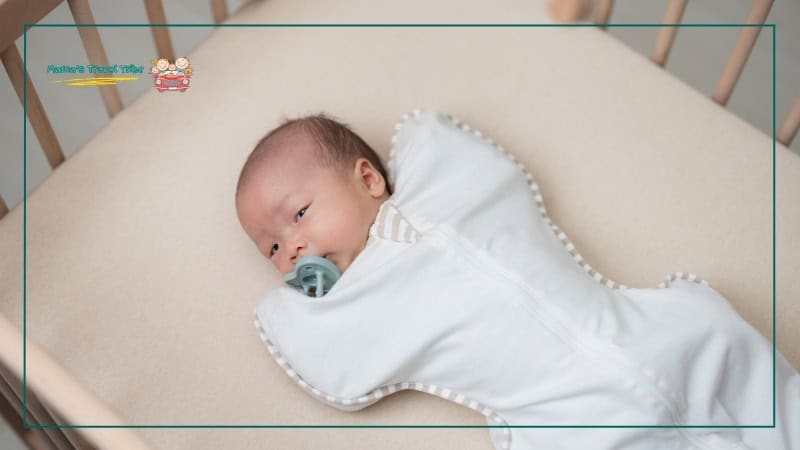
Travel is not the best time to get loose about sleep basics. If the child normally sleeps in a sleep sack, that usually makes more sense than trying to work around unfamiliar blankets.
If the baby normally sleeps on their back in a bare sleep space, that does not change because the trip is short. The more the travel sleep setup matches the child’s safe normal pattern, the easier it is for tired adults to stay consistent.
A practical sleep-clothing and position check:
| Sleep item or habit | Better travel approach |
| sleep sack | bring the one that already works if the child still uses it |
| loose blanket | use carefully for older children only, not as a default infant solution |
| baby’s sleep position | keep the same safe back-sleep setup |
| extra soft bedding | avoid using it just because it came with the room |
The safer move is usually the simpler one: fewer loose sleep items, more familiar structure, and less improvising once everyone is tired.
What matters most when sleep is disrupted
Travel sleep goes off track all the time. The family arrives late, the nap did not happen, the room is brighter than expected, or the child is overtired before bedtime even starts. That is usually the point when adults are tempted to relax the sleep setup just to get everyone through the night.
What matters most then is not making the setup more complicated. It is keeping the safest version of the child’s normal sleep structure intact while simplifying everything else.
What usually helps most:
- keep the child’s own sleep space usable and ready first
- use the simplest familiar sleep supports
- lower the stimulation instead of adding more loose items or last-minute changes
- let the bedtime be shorter or plainer if needed, but keep the setup itself safe
A practical disrupted-sleep check:
| Sleep disruption | What usually matters most |
| missed nap | easier bedtime, not looser sleep rules |
| late arrival | first-night sleep items easy to reach |
| overtired child | simpler routine and familiar sleep supports |
| adults feeling tempted to improvise | go back to the safest version of the plan already decided |
Water, beach, and pool safety on trips
Water is one of those travel risks that can look relaxed right up until it is not. Families are in vacation mode, the hotel pool feels contained, the beach setup looks easy once everyone is settled, and the child may not even be in “swim time” yet. That is exactly why water safety needs a stronger plan than most parents expect.
The main issue is not just swimming. It is proximity. Kids get tired near water, wander toward water, and get less predictable around water at the end of long travel days. Adults also tend to split attention more in these settings because they are setting up towels, snacks, sunscreen, bags, and siblings all at once.
The American Academy of Pediatrics’ guidance on water safety and drowning prevention keeps coming back to the same basic point: close, constant supervision matters more than assuming the setting itself is safe.
A simple water-safety view:
| Water setting | What usually matters most |
| hotel pool | close supervision, controlled entry and exit, no loose assumptions |
| beach | visibility, distance, waves, and changing child position |
| rental with water nearby | barriers, adult awareness, and not treating “not swimming” as no risk |
| end-of-day water time | lower energy and weaker supervision margin |
Active supervision is the part families cannot really outsource
This is the biggest water-safety rule because it solves the widest range of problems. Kids around water need active supervision, not background supervision. That means one adult is truly watching, not partly watching while also setting up chairs, answering messages, opening snacks, or helping another child get changed.
What makes this harder on trips is that the environment feels busy and fun at the same time. The adult attention gets pulled in more directions than it usually does at home.
A practical supervision check:
| Situation | Safer approach |
| one child near water | one adult clearly responsible for watching that child |
| several children in different stages | divide responsibility clearly instead of “everyone is watching” |
| arrival at pool or beach | supervision starts before the child reaches the water |
| tired, cranky, or hungry child | tighten supervision instead of assuming they will stay close |
The phrase I keep coming back to is simple: if the adult is managing too many other things, supervision is already getting weaker.
Flotation devices can create false confidence if parents treat them like safety plans
This is one of the most common vacation mistakes. A child has floaties, a puddle jumper, or some other flotation gear, and suddenly the setting feels less risky than it really is. The problem is not that flotation gear exists. The problem is what adults assume it means.
What it does not mean:
- the child is safe without close watching
- the adult can step back mentally
- the child can handle deeper or rougher water than before
- supervision can loosen because the gear is on
A better way to think about flotation gear:
| Flotation misconception | Better reality |
| “They have floaties, so they’re fine” | flotation is not the same as supervision |
| “This gives me a little more room to help someone else” | water supervision still needs full attention |
| “They can go a little farther now” | gear should not expand the child’s risk zone |
This is one reason I like the water plan to be very plain. The child’s gear can stay the same, but the adult’s level of attention should not drop because of it.
Beach setup and visibility change safety more than families expect
At the beach, the challenge is often not just the water itself. It is the space. Kids blend into crowds, move farther from the family setup than parents realize, and change direction quickly because there is so much going on at once. That is why beach safety depends a lot on where the family sets up and how easy it is to keep the child in view the whole time.
What usually helps:
- setting up with a clear sightline
- staying closer to the child’s actual play zone than feels necessary
- keeping bags, snacks, and extra items from scattering the adults
- watching what happens when the child moves between sand play and water play
A practical beach-visibility check:
| Beach problem | Better setup |
| child blends into the crowd | stay physically closer and keep the play zone tighter |
| adults spread out around the setup | keep one clear watching position |
| child keeps shifting between water and sand | supervision follows the child, not the chairs |
| end-of-day drifting attention | reset or leave before the margin disappears |
That is the part many families underestimate. The beach can feel open and relaxed, but the openness is exactly what makes visibility and clear adult positioning matter more.
Pool access at hotels and rentals needs a plan before the child sees the water
Pools are one of the easiest vacation hazards to underestimate because they feel contained. A fenced hotel pool, a small rental pool, or a quiet-looking pool deck can make adults relax faster than they should. The problem is that the child only sees water and excitement. They do not see the fence, the gate, or the fact that adults are still unloading bags and figuring out towels.
That is why I like the pool plan to start before the family even heads outside:
- who is actively watching
- who is carrying what
- whether the child is allowed to approach the water yet
- what happens when one adult needs to leave the area with another child
A practical pool-access check:
| Pool moment | Safer setup |
| first arrival at the pool | one adult stays fully focused on the child |
| unloading towels and bags | keep the child physically close instead of letting them roam |
| moving between room and pool | treat the walk there like part of water supervision |
| leaving the pool area | supervision stays tight until the child is fully away from the water |
Water proximity still matters even when nobody is officially swimming
This is one of the easiest mistakes families make on trips. Everyone thinks the real water risk starts once swimsuits are on and pool time begins. In reality, a lot of risk happens in the in-between moments: walking near the pool after breakfast, passing a beach path on the way to dinner, stopping near a dock, or letting kids play “just nearby” while adults finish setting up.
What matters here is not whether the family planned a swim. It is whether the child is close enough to water for movement to matter.
A simple water-proximity check:
| “We’re not swimming” moment | Why it still needs attention |
| walking past a pool | a toddler may still move toward it quickly |
| hanging out near a beach or dock | water is still part of the environment, even off-duty |
| end of a pool day with bags and tired kids | transitions away from water are still active supervision moments |
| outside play near water features | kids do not always separate play space from water space |
Tired kids around water need closer supervision, not more freedom
A tired child is usually less steady, less predictable, and less responsive to directions. That matters everywhere, but it matters more around water because adults are often tired too. End-of-day pool time, a late beach stop, or one more quick water break before dinner can feel harmless right up until the child stops making the kind of choices they were making earlier.
What I watch for most is the shift:
- less listening
- clumsier movement
- more emotional reactions
- more wandering or impulsive behavior
A practical tired-kid check:
| Tired-child sign | Better water decision |
| child stops listening well | tighten the supervision radius |
| child gets clumsy or sloppy | simplify the activity or leave |
| child is melting down over small things | reset away from the water |
| adults are also clearly tired | shorten the plan instead of stretching it |
End-of-day supervision lapses are when families need the clearest reset
The end of the day is when adults most want the easy version of things. Bags are half-packed, towels are everywhere, the child is sandy or damp, and everyone is trying to get one more minute out of the outing before heading back. That is exactly when supervision tends to get weaker.
This is why I like having a hard stop around water instead of letting the day drift:
- leave before everyone is fully done
- reset snacks, drinks, and clothing before the last part gets chaotic
- do not split attention between packing up and active water watching
- if the supervision is starting to feel loose, the outing is over
A practical end-of-day check:
| If the water outing starts feeling like this | It usually means… |
| adults packing up while kids still move freely | supervision is getting too split |
| child is tired, cold, or hungry | the safest move is usually to leave |
| everyone is trying to squeeze in “one more minute” | the margin is dropping fast |
| the walk back is starting with chaos | it should have ended a little earlier |
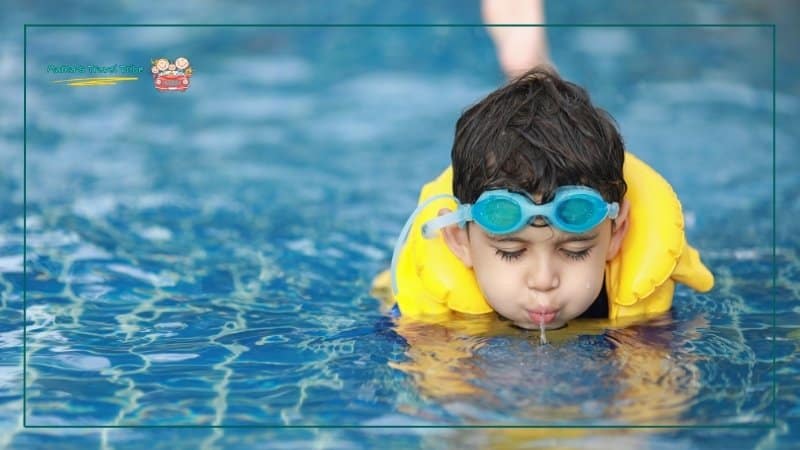
Sun, heat, and weather exposure safety
Weather problems on family trips usually do not start as emergencies. They start as a child getting flushed in the stroller, refusing water, melting down faster than usual, or looking tired in a way that does not quite make sense yet. That is why travel safety with kids includes weather decisions just as much as transport and sleep decisions. Parents usually do not get into trouble because they ignored the forecast. They get into trouble because the day kept moving after the child had already started showing signs that the plan needed to change.
I think of weather safety as one of the clearest examples of why family travel works better with margin. Babies, toddlers, and preschoolers cannot manage heat, sun, and rapid weather changes the way adults do. They depend on the adult to notice early, pause early, and be willing to simplify the plan before a fun day turns into a bad one.
A simple weather-safety view:
| Weather issue | What usually makes it harder on trips |
| heat | longer outings, more walking, delayed meals, hotter transit setups |
| sun | less shade, more open time outdoors, missed reapplication or clothing changes |
| dehydration | irregular drink timing, excitement, missed breaks |
| changing conditions | families trying to stick to the plan even after the weather shifts |
Overheating in strollers and cars happens faster than parents expect
This is one of the most common warm-weather travel mistakes because strollers and parked or slow-moving cars can feel manageable to adults while becoming uncomfortable for children much more quickly. A child who cannot move much, cannot explain exactly what feels wrong, and is already tired from the outing will usually show discomfort before the adult fully clocks what is happening.
That is why I like treating stroller and car heat as active safety issues, not just comfort issues. The CDC’s heat guidance on extreme heat and children is useful here because it reminds parents that children are more vulnerable to heat stress and need closer monitoring than adults do.
What usually helps most:
- checking how the stroller or seat actually feels, not just how the air feels
- watching for the child getting fussier, redder, quieter, or less interested in drinking
- avoiding long stretches where the child stays strapped in with no break
- changing the plan earlier instead of later
A practical heat check:
| Early sign | Better response |
| stroller feels hot or stuffy | move the child, cool the setup, and reset |
| child gets flushed or suddenly fussy | stop and reassess instead of pushing ahead |
| child seems too sleepy or limp for the moment | treat it like a real warning sign, not just crankiness |
| adults are trying to finish “one more stop” | pause before the margin disappears |
Sun protection works best when it starts with clothing, timing, and shade
Parents often think of sun safety as sunscreen first. Sunscreen matters, but the full picture is bigger than that. The safer outdoor setup usually starts with avoiding the worst part of the sun when possible, using shade well, and dressing the child in a way that helps before the skin is already too hot or too exposed.
That is why I usually think of sun protection in layers:
- timing
- shade
- clothing
- then sunscreen as the last layer, not the only one
The AAP’s guidance on sun safety for children follows that same pattern, which makes it a strong practical reference for travel too.
A simple sun-safety setup:
| Sun-protection layer | What it does |
| timing | lowers exposure before the day gets too intense |
| shade | reduces how much direct sun the child has to handle |
| hat and light protective clothing | helps without depending only on reapplication timing |
| sunscreen | covers the exposed areas that still need it |
Hydration patterns matter because travel breaks the normal rhythm
Hydration usually slips on trips for a simple reason: the day keeps moving. Families are walking, waiting, loading bags, checking in, getting to the next stop, and assuming drinks can happen later. With little kids, later comes fast. By the time a child looks worn down, cranky, or oddly flat, the day may already be harder to recover.
That is why I like building hydration into the day instead of waiting for obvious thirst. A child who is outdoors, in transit, or running on less sleep usually needs more regular chances to drink than the schedule naturally offers.
A practical hydration check:
| Travel situation | Better hydration approach |
| long outdoor stretch | offer drinks before the child looks uncomfortable |
| airport or transit-heavy day | use transition points as drink reminders |
| hot destination | keep the cup or water setup easy to reach |
| child distracted by the outing | build in drink pauses instead of waiting for them to ask |
Dressing for heat works better when the clothing helps before the child is already uncomfortable
Hot-weather travel goes better when clothes are part of the safety setup, not just the outfit. The goal is not to make the child look ready for summer. It is to help them stay cooler, move more comfortably, and avoid the build-up that leads to fussiness and overload later.
What usually helps most:
- light, breathable clothing
- easy layers that can come off fast
- a hat the child will actually keep on
- backup clothes if sweat, spills, or water play are likely
A simple heat-dressing view:
| Heat problem | Clothing choice that usually helps |
| child getting hot quickly | lighter breathable outfit |
| strong sun exposure | hat and light protective clothing |
| water or sweat making clothes clingy | easy backup outfit |
| changing indoor and outdoor temperatures | one removable layer, not several heavy ones |
Cold-weather layering matters when trips include long waits, wind, or stop-and-go movement
Not every family trip is warm-weather travel. Cold, windy, or mixed-weather trips bring their own safety issues because children often move between very different environments in the same hour: cold sidewalks, warm cars, busy terminals, heated buildings, and outdoor waiting again. That is why layers usually work better than one heavy outfit.
I want cold-weather packing to solve three things:
- warmth outside
- easy adjustment inside
- enough dry backup to recover if clothes get wet
A practical cold-weather check:
| Cold-weather issue | Better setup |
| child is warm indoors but cold outside | layers that can come off and go back on easily |
| wind or waiting outdoors | outer layer that actually blocks exposure |
| wet feet or damp clothing | dry backup socks or clothing ready |
| child gets tired late in the day | simpler, warmer reset before pushing on |
Knowing when to stop outdoor plans is one of the most practical weather safety skills
This is the part families usually feel in real time. The outing still looks good on paper, but the child is getting hotter, fussier, quieter, or less steady. The adults are already invested in the plan, so it is tempting to keep going for one more stop, one more walk, or one more hour. That is often the moment when a manageable day becomes a hard one.
The safer move is usually to stop earlier than the adults feel like they “should” have to.
A practical stop-now check:
| If the day starts feeling like this | It usually means |
| child is fading fast | the outing needs a reset or an early end |
| drinks, shade, and snacks are no longer helping much | the family may have pushed too far already |
| adults are saying “just a little longer” repeatedly | the margin is dropping |
| the next part of the day depends on the child powering through | it is time to simplify the plan |
Food, allergy, and medication safety while traveling
Food and medicine problems on trips usually start small. A child is hungrier than expected, the safe snack ran out, the medicine was packed but not where anyone can reach it, or the label on an unfamiliar food is harder to scan while everyone is already moving. That is why this part of the guide matters. Travel safety with kids is not just about cars, crowds, and hotel rooms. It is also about keeping the child fed safely, keeping regular routines from slipping too far, and making sure the useful health items stay in the bag that is actually with you.
I like thinking about this section in three layers:
- what the child normally needs
- what the child might need if the day runs long
- what becomes a safety problem when the parent has to guess under pressure
A simple food-and-medication safety view:
| Safety area | What usually matters most |
| allergy safety | familiar options, clear labels, and not relying on last-minute food choices |
| regular medications | easy access, clear timing, and no guessing |
| transit-day setup | the right items in the right bag, not just technically packed |
| meal disruption | backup snacks and a realistic fallback plan |
Keeping allergy-safe snacks with you lowers rushed food decisions
Trips make food decisions faster and messier. Families are in airports, rest stops, hotels, rental kitchens, beach setups, or long sightseeing days, and the easiest available food is not always the safest or most workable food for the child. That matters even more when the child has allergies or sensitivities, because a tired adult is more likely to make a rushed call if there is no familiar backup already packed.
What usually helps most is very simple:
- bring safe snacks you already trust
- keep enough for the full travel window, not just the ideal one
- do not assume the destination will have the same reliable options right away
- use the familiar snack first when the day is getting harder, not only after everything else fails
The FDA keeps a current page for food recalls, allergen alerts, and safety information, which is useful for families who need to stay alert to product issues while traveling. That information is collected on its food alerts, advisories, and safety information page.
A practical allergy-snack check:
| If the day does this | The safer food plan is usually… |
| meal timing runs late | use a familiar safe snack before the child is already crashing |
| food options are unclear | stick with what you packed and trust |
| the family is in transit longer than expected | have one extra safe snack round in reserve |
| everyone is rushing | avoid making a brand-new food decision under pressure |
Reading labels gets more important when the family is tired and buying on the go
At home, families usually know their routine foods. Travel changes that. You are looking at convenience foods, hotel snacks, airport options, store brands in unfamiliar packaging, and foods you are scanning quickly while the child is already asking to eat. That is exactly when label reading matters more, not less.
The FDA’s allergy guidance points parents back to two practical habits: read labels carefully and follow directions closely, especially when the product or medicine is new to you or being used away from home. Its consumer guidance on allergy relief for your child also reminds parents to read and follow the directions provided when giving medicines to children.
A simple label-reading check:
| Travel food or medicine situation | Better habit |
| buying something quickly in transit | stop long enough to read the full label |
| using a store brand or unfamiliar package | check ingredients and directions instead of assuming it is the same |
| child is already hungry and upset | rely on familiar food first if possible |
| parent is distracted | have one adult read while the other handles the child |
The point is not to turn travel into a food-science project. It is to lower the odds of a rushed mistake that was easy to avoid.
Packing regular medications should happen before anything “extra”
A child’s regular medication is not part of the optional travel setup. It is one of the first things that should go into the day bag or carry-on. If the child depends on it at home, it needs to be packed in a way that still works when the family is delayed, separated from luggage, or trying to settle into a room late at night.
The Transportation Security Administration says travelers may bring medications, including liquid medications, in carry-on bags and should declare them to the officer at the checkpoint.
That is especially useful for families because it supports the most practical rule of all: if the child may need it before arrival, it should stay with you, not in checked luggage. That guidance is laid out in TSA’s pages on traveling with medication and liquid medications.
A practical medication-access check:
| Medication type | Better place to pack it |
| daily medication | day bag or carry-on |
| time-sensitive medication | closest-access layer |
| backup quantity | still with the family, but behind the first-use set |
| dosing tool or instructions | packed with the medicine, not somewhere else |
Keeping medicine accessible in transit matters more than just remembering to pack it
A lot of parents do pack the medicine. The problem is that it ends up in the wrong bag. It is in the checked suitcase, buried under clothes, mixed in with toiletries, or packed in a way that makes it hard to find when the child actually needs it. On a travel day, that is the difference between feeling prepared and feeling stuck.
For me, the rule is simple: if the child might need it before the family is fully settled, it should stay with the family. Not somewhere in the luggage system. Not in the “later” bag. In the bag that is actually close enough to help.
That usually means:
- daily medicine stays in the day bag or carry-on
- the first-use amount stays easier to reach than the backup amount
- dosing tools stay with the medicine itself
- nothing important gets separated just because the bag looks more organized that way
A practical transit-medicine setup:
| Transit situation | Better setup |
| long travel day | first-use medicine stays in the closest-access layer |
| airport or train transfer | medicine is grouped, not scattered across bags |
| child may need something quickly | adult can reach it without unpacking half the bag |
| more than one adult is handling the child | both know exactly where the health pouch is |
What usually causes trouble is not forgetting the medicine completely. It is packing it in a way that only works once the trip is over.
Timing medications across travel days takes more thought than parents expect
Travel changes the shape of the day. Meals move. Sleep moves. Time zones may move. Even without a major time change, a child who normally gets medicine after breakfast or before bed may suddenly be eating later, napping at odd times, or arriving somewhere after the usual routine has already fallen apart.
That is why medication timing needs a little planning before the trip starts. Not a huge medical chart. Just a clear sense of:
- what absolutely has to stay on schedule
- what can shift a little if the day runs oddly
- which adult is keeping track if more than one adult is traveling
- what happens if the usual meal or bedtime cue disappears
A simple timing check:
| Medication timing issue | Better planning move |
| medication tied to a regular routine | decide in advance what will replace that routine on travel day |
| trip starts very early or ends very late | know whether the schedule needs adjusting before the day gets messy |
| more than one adult may give the medicine | make one person the clear point person |
| child is overtired or off meals | keep the medicine plan simpler and more visible |
The biggest goal here is consistency without confusion. The family should not be trying to remember dosing logic in the middle of a missed nap, a delayed meal, or a hotel check-in.
What to carry in day bags vs main luggage
This is the split that makes the whole medication setup work. The day bag should solve the travel-day health problems. The main luggage can support the rest of the trip. When those two jobs get mixed together, the family either carries too much in the wrong bag or leaves the most important items too far away.
The day bag should usually hold:
- daily medication
- time-sensitive medication
- fever or pain basics if the child may need them
- dosing tools
- one or two immediate-use health items that would matter before bedtime
The main luggage can usually hold:
- extra quantities
- refill or backup amounts
- less urgent health supplies
- items for later in the trip that are not needed during the travel window
A practical split:
| Keep in the day bag | Keep in the main luggage |
| regular medication the child may need during transit | backup supply of the same item |
| time-sensitive medicine | extra quantities for the rest of the trip |
| dosing tool | extra health items not needed on travel day |
| quick-use basics | overflow supplies |
This is one of those categories where a small, clear system does much more than a larger, messier one. If the health items are grouped well and packed in the right layer, the family usually feels much more prepared when the day starts drifting.
If this is your first family trip, check out our ultimate family travel packing list.
Illness, minor injuries, and basic first-aid planning
Trips do not need a full medical playbook, but they do need a simple plan for the ordinary things that go wrong: a fever after arrival, a scraped knee at a playground, a stomach issue in the car, or the child who suddenly looks much worse at bedtime than they did an hour earlier. This part of family travel safety tips is less about bringing an oversized kit and more about knowing what you can handle yourself, what needs a real reset, and where the line is between “watch it” and “get help.”
The CDC recommends travelers bring a personal travel health kit with supplies for common minor illnesses and injuries, plus enough regular and over-the-counter medicines for the trip and a little extra. It also advises planning ahead for how you will get medical care during travel.
A simple illness-and-injury view:
| Problem | What usually matters most |
| fever | thermometer, fever basics, fluids, and a calmer plan |
| cuts and falls | quick cleanup, bandages, and knowing when it is more than minor |
| vomiting or stomach upset | hydration, cleanup, and not pushing the day forward |
| worsening symptoms away from home | knowing where care is and having the child’s details ready |
Fever away from home is mostly about access, fluids, and not scrambling
A fever feels bigger on a trip because everything around it is less familiar. The room is not home, the usual store may not be nearby, and the parent is often deciding what to do while also managing a tired child in an unfamiliar place. What helps most is not panic. It is having the basics easy to reach and keeping the next few steps simple.
That usually means:
- a thermometer that is easy to use
- the child’s usual fever or pain basics already packed
- a drink plan instead of waiting until the child is clearly dry and exhausted
- a lower bar for stopping the day and staying in
A practical fever check:
| If the child has a fever and… | Better next move |
| still seems fairly comfortable | slow down, check fluids, and keep the setup simple |
| looks worse as the day goes on | stop the outing and reset in a calmer place |
| cannot settle, drink, or rest well | move from “watch it” toward getting advice or care |
| the adults are still trying to keep the schedule | drop the schedule first |
Minor cuts and falls usually need a fast reset, not a big response
Travel makes small injuries feel more dramatic because they happen in public, while everyone is moving, and often with fewer easy cleanup options than at home. The good news is that most of the time the useful response is still a simple one: clean it, calm the child, cover what needs covering, and decide whether the family can keep going or should slow down.
This is where a small, well-packed first-aid pouch does more than a big kit:
- bandages
- a way to clean a scrape
- one or two basics for minor skin or comfort support
- a calm adult who can stop the day for five minutes instead of trying to rush through it
A simple first-aid check:
| Minor injury situation | What usually helps most |
| scraped knee or hand | quick cleanup and a bandage |
| fall during a busy outing | move to a calmer spot before deciding what is next |
| child is more upset than the injury seems to explain | check for tiredness, overload, or a bigger problem |
| parents are rushing to get moving again | pause long enough to actually reset the child |
Upset stomach situations get riskier when families keep pushing the plan
Stomach issues on trips are hard because they affect everything at once: food, hydration, transport, sleep, clothing, and the family’s schedule. Parents often want to salvage the day, especially if the child seems only mildly sick at first. Usually the safer move is the opposite. Simplify earlier.
HealthyChildren notes that when a child is vomiting, small amounts of fluid over time can help prevent dehydration. That is practical travel advice because it shifts the focus away from trying to resume the full plan too quickly.
A practical stomach-issue check:
| If the child is… | Better response |
| vomiting or refusing food | focus on fluids and quiet, not meals and activities |
| having repeated stomach trouble in transit | stop trying to “get through it” and simplify the day |
| getting more tired and less interested in drinking | treat hydration as the main issue first |
| messy, upset, and overwhelmed | clothing reset, cleanup, and a calmer location matter more than speed |
Knowing where care is available matters before the child is already miserable
A lot of travel stress comes from waiting too long to answer a simple question: if my child gets worse here, where would I actually go? Families do not need to map every clinic in a city, but they do need a basic plan. That is especially true on longer trips, rural trips, international trips, or anywhere the family will be relying on unfamiliar systems after hours.
What I usually want to know before the trip:
- where the nearest urgent care or family clinic is
- where the nearest emergency room is
- whether the hotel, rental host, or destination has a clear local recommendation
- what phone number I would actually call if the child got worse at night
The CDC’s Before You Travel guidance supports this kind of planning, especially for health needs that may be harder to sort out once you are already on the road.
A practical care-planning check:
| Before the child gets sick | What helps most |
| know the closest care options | less time lost when the child clearly needs help |
| know how to get there | fewer rushed decisions during a hard moment |
| know who to call first | less guessing when everyone is tired |
| know whether the destination is remote | stronger reason to plan ahead instead of assuming help is nearby |
When urgent care planning matters more than parents think
Urgent care planning matters most when the family is traveling somewhere unfamiliar, arriving late, spending long hours outside, or managing a child who already has a pattern of getting sick fast once symptoms start. This is not about expecting the worst. It is about knowing when the trip setup makes “we’ll just see how it goes” a weaker plan than usual.
The American Academy of Pediatrics notes in its guidance on urgent care and your child’s medical home that families should contact their pediatrician’s office first when possible. That is useful travel advice too, because it gives parents a clearer starting point than jumping straight into unfamiliar care without context.
A practical urgent-care check:
| Travel setup | Why urgent-care planning matters more |
| late-night arrival or long weekend trip | fewer easy options once symptoms pick up |
| rural, outdoor, or road-trip route | help may be farther away than expected |
| child tends to worsen quickly with fever or stomach issues | lower margin for waiting too long |
| international or unfamiliar destination | extra value in knowing the first call before the problem starts |
Why emergency info should stay easy to reach
Emergency information only helps if it can be found fast. A lot of parents do keep the important details somewhere, but somewhere is not the same as useful. On a rough travel day, the child’s medication list, allergy details, insurance information, emergency contacts, and pediatrician number should not be split across random screenshots, old emails, and one parent’s memory.
I like keeping emergency info in one simple place:
- a phone note or saved digital file
- one printed copy in the travel folder if the trip is bigger or more complex
- enough information that another adult could use it without needing a long explanation
A simple emergency-info setup:
| Emergency detail | Best reason to keep it easy to reach |
| allergies and regular medications | helps another adult or clinician understand the child quickly |
| insurance information | removes one layer of friction if care is needed |
| emergency contacts | useful if one adult is separated or busy with the child |
| pediatrician or primary contact | gives the family a better first call in non-emergency situations |
This is one of the smallest parts of the safety setup, but it can make a hard situation feel much more manageable very quickly.
Childproofing temporary spaces
Temporary spaces are where families make some of their fastest preventable mistakes. The room looks clean, the bags are everywhere, the child is excited or overtired, and the adults are trying to unload, check messages, sort food, and figure out bedtime all at once. That is exactly when a normal hotel room, Airbnb, or vacation rental starts showing all the little risks that would already be handled at home.
I think this part of family travel safety tips is less about perfect childproofing and more about doing the highest-value things first. You are not trying to turn a rental into your house. You are trying to make the first hour safer by reducing the obvious hazards, creating a simpler layout, and deciding where the child can move more freely without the adults having to say “no” every ten seconds.
A simple temporary-space safety view:
| First-room problem | Better first move |
| child starts exploring before adults are settled | do a fast room scan before unpacking much |
| dangerous items are low and easy to reach | move them high immediately |
| the room has too many tempting hazards | create one safer zone first |
| adults are tired and distracted | simplify the space before the child gets loose |
This section also fits naturally alongside the broader site hub on traveling with a baby and toddler, because room safety is one of the clearest places where travel changes the normal family setup.
Scanning a room on arrival should happen before full unpacking
The first ten minutes after check-in matter more than people think. This is when the child is most likely to start touching, climbing, opening, and grabbing while the adults are least ready for it. That is why I like doing one fast scan before the room starts feeling “lived in.”
What I want to notice first:
- what is within child height
- what can be pulled down
- where the exits and bathrooms are
- whether there are stairs, balconies, or kitchen access points
- what part of the room could become the safest low-risk zone first
The CDC’s page on young children: safety in the home and community is a useful reminder that everyday injury prevention starts with environment, not just supervision.
A practical arrival scan:
| First thing to scan | Why it matters right away |
| low tables and surfaces | kids reach them before adults finish unloading |
| doors and exits | wandering risks show up early |
| cords, chargers, and lamps | easy to grab and pull |
| bathroom access | one of the quickest hazard zones in a new room |
Moving dangerous objects should be one of the first things adults do
This is one of the easiest safety wins in the whole guide. A breakable lamp, a hot drink, medication, keys, glassware, a coffee pod setup, chargers, or a loose remote can all turn into an avoidable problem in a matter of seconds. In a temporary space, I would rather move the obvious hazards fast than spend too much time deciding whether the child “probably won’t touch that.”
The items that usually matter most are:
- anything sharp
- anything hot
- anything breakable
- anything small enough to mouth
- anything the child could pull down from above
A useful move-it-now check:
| Reachable object | Better first move |
| hot drink or food | move it high and away from edges |
| medicine or small objects | put it completely out of reach |
| breakables | clear them before the child settles in |
| charger cords and electronics | lift or unplug them early |
Securing breakables lowers stress as much as it lowers risk
Breakables are not just a property-damage issue. They also create cuts, falls, panic, and the kind of room tension that makes the rest of the stay feel harder. A rental full of decor on low shelves may look nice, but with toddlers and preschoolers it usually means the adults need to make the space simpler fast.
What helps most:
- move breakables to one high zone
- do not leave them on tables near the child’s play or sleep area
- notice what could fall if the child pulls a tablecloth, cord, or edge
- assume tired kids are less careful than they were earlier in the day
A practical breakable-risk check:
| Breakable setup | Why it matters |
| low shelf decor | easy target for curious hands |
| glass on side tables | turns a normal stumble into a bigger problem |
| unstable lamp or object | can fall if pulled or bumped |
| breakables near the bed or play area | child reaches them during the most active parts of the evening |
Checking reachable hazards should happen at child level, not adult eye level
Adults miss a lot when they scan a room standing up. Kids live lower. They see cords, outlets, buttons, trash cans, bags, water bottles, low shelves, and table edges that adults barely notice. That is why the best temporary-space scan usually happens from the child’s level, not the adult’s first impression.
The hazards that usually matter most are the ordinary ones:
- outlets
- blind or charging cords
- furniture edges
- trash cans
- low drawers or cabinets
- anything dangling, hanging, or easy to pull
The CPSC’s guide to childproofing your home is useful here because the same principle applies in temporary rooms too: the smaller, lower, and more reachable the item is, the more likely a child will find it first.
A practical child-level check:
| Child-level hazard | Why it gets missed by adults |
| low outlet | adult eyes are usually scanning higher |
| loose bag strap or cord | looks harmless until it is pulled |
| trash can or low shelf | easy to ignore until the child is already into it |
| furniture corner | only obvious once the child starts moving fast |
Setting “safe zones” makes the room easier to manage without saying no all night
A safe zone does not have to be fancy. It just means choosing one part of the room where the child can move more freely while the adults finish the first round of settling in. This works well because not every part of a hotel room or rental needs to be equally usable right away. Families usually do better when they simplify one area first instead of trying to control the whole room at once.
A practical safe zone usually has:
- fewer breakables
- fewer cords
- less furniture with sharp edges
- no direct access to exits, stairs, or bathroom hazards
- enough space for the child to sit, play, or calm down without immediately finding trouble
A simple safe-zone check:
| Better safe-zone feature | Why it helps |
| open floor space | gives the child room without constant redirection |
| fewer low hazards | lowers the speed at which problems show up |
| away from doors and kitchen access | reduces wandering and high-risk areas |
| close enough for easy supervision | lets the adult keep settling in without losing the child |
The best safe zone is usually not the cutest corner. It is the lowest-friction one.
Using bags and furniture placement well can reduce a surprising number of risks
Families often think of bags as clutter in a room, but in the first hour they can actually help shape the space. A suitcase can block off a tempting but awkward corner. A diaper bag placed well can keep the child closer to the safer area instead of drifting toward the bathroom or entry door. A chair moved slightly can make a sharper path less inviting. This is not formal childproofing. It is practical room management.
What helps most is not making the room perfect. It is making it harder for the child to get into the riskiest spots while the adults are still unloading and thinking.
A practical placement check:
| Item you control | How it can help |
| suitcase or travel bag | blocks access to one tempting low-risk area |
| moved chair or table | creates a cleaner safe zone or slows access to hazards |
| gear grouped in one place | keeps the room from turning into several clutter hazards at once |
| adult essentials kept high and together | lowers the chance of the child grabbing them first |
This is one of the easiest temporary-space wins because it uses what the family already has.
What matters most in the first ten minutes after check-in
The first ten minutes are usually more important than the next hour. This is when the child is exploring, the adults are tired, and nobody has settled into the room rhythm yet. That is why I think of check-in as a safety transition, not just an arrival step.
If I were doing the highest-value version of those first ten minutes, I would focus on this order:
- keep the child close first
- scan the room second
- move obvious hazards third
- set one safe zone fourth
- unpack only what helps the next few hours
A simple first-ten-minutes checklist:
| First-ten-minutes task | Why it matters most |
| keep the child physically close | prevents immediate wandering while the room is still unknown |
| scan reachable hazards | catches the easiest preventable problems |
| move hot, sharp, or breakable items | lowers the risk fast |
| decide the safe zone | gives the child one clearer place to be |
| unpack only the first-use items | keeps clutter from creating new hazards |
That is usually enough to make the room feel much more manageable before the family does anything else.
Crowd safety and preventing wandering
Crowd safety is one of the biggest real-life travel issues with toddlers and young preschoolers because it turns ordinary moments into fast-moving ones. Airports, hotel lobbies, train stations, sidewalks, rest stops, and attraction entrances all have the same basic problem: adults are trying to manage movement and logistics at the exact moment children are most likely to drift, run, or stop listening.
That is why I think travel safety with toddlers in crowded places comes down to three things:
- staying physically close before the child is already testing limits
- keeping adult jobs clear during transitions
- using simple rules the child can actually follow when they are excited or tired
A quick crowd-safety view:
| Crowded setting | What usually matters most |
| airport or station | close physical supervision and fewer loose items |
| theme park or attraction entry | clear hand-holding and meeting rules |
| rest stop or parking area | fast boundaries before the child starts moving |
| city sidewalk | tighter adult positioning than families think they need |
Airports are safest when the child stays close before the rush starts
Airports get riskier for little kids when adults wait too long to tighten the setup. If the child is already roaming at the gate, wandering near the boarding lane, or moving loosely through a busy concourse, the adult is one distraction away from a bad moment. I find it much safer to decide early when the child is walking, when they are riding, and who is physically responsible for them in each transition.
That usually means:
- one adult handles the child during the most compressed transitions if possible
- the child does not get “free roaming” time in busy gate areas
- the family keeps the next-use items easy to reach so adults are not digging through bags while the child is moving
A practical airport-crowd check:
| Airport moment | Better setup |
| security and lines | one adult watches the child, one handles bins or bags if possible |
| gate waiting | movement with clear limits instead of open wandering |
| boarding line | child stays physically close before the line tightens |
| arrivals hall | same supervision rule even though the flight is over |
Stations and theme parks need simpler rules than parents think
Busy stations and attractions create a different kind of crowd problem. Kids get excited, the space looks interesting in every direction, and parents often assume verbal reminders will be enough. With toddlers and young preschoolers, the better setup is usually simpler and more physical than verbal.
That means rules like:
- hold hands in moving crowds
- stop when the adult stops
- do not go ahead at entrances or exits
- if you cannot hold hands, you stay right next to the adult
Nemours KidsHealth gives practical family advice that fits here too: in big crowds, pick a meeting place in case family members get separated and make sure younger kids know what to do. That guidance appears in its parent travel advice on 5 Ways to Make Holiday Travel Easier.
A simple attraction-crowd check:
| Crowd setting | Rule that usually works best |
| station platform or entrance | hand-holding before the child gets excited |
| theme park entry | clear stop-and-stay-close rule |
| crowded queue | one adult stays focused on the child, not just the line |
| busy lobby or attraction exit | move together before anyone checks phones, maps, or tickets |
Rest stops are risky because adults think the “hard part” is over
Rest stops catch families off guard because everyone is focused on food, bathrooms, and getting back on the road. That split attention is exactly what makes wandering easier. A child can move toward the parking lot, another door, or another family faster than adults expect, especially while bags, drinks, and siblings are all being managed at once.
The safest rest-stop habit is usually the simplest one: do not let the child move freely until the adult has fully switched from “arrival mode” to “watching mode.”
A practical rest-stop check:
| Rest-stop moment | Better first move |
| getting out of the car | one clear adult is responsible for the child first |
| walking into the stop | child stays close before snacks and bathroom decisions start |
| leaving the restroom or food area | regroup before moving back outside |
| returning to the car | treat the parking lot like an active safety zone, not a transition blur |
City sidewalks are safer when adults think about position, not just rules
Sidewalk safety with little kids is often about where the adult stands, not just what the adult says. A toddler walking on the traffic side, a preschooler moving ahead toward a corner, or a child lagging behind while the adult handles a stroller or bag all create more risk than parents sometimes realize in travel settings.
What usually helps most:
- adult on the traffic side when the child is walking
- no “walk ahead a little” freedom near corners or crossings
- tighter spacing when the sidewalk gets narrow, noisy, or crowded
- fewer distractions for the adult at intersections and curb cuts
A practical sidewalk check:
| Sidewalk issue | Better positioning |
| child drifting toward the curb | adult moves to the traffic side immediately |
| narrow or crowded walkway | child stays right next to the adult |
| crossing point coming up | phones, maps, and bag adjustments can wait |
| tired or overstimulated child | tighten the spacing instead of repeating more instructions |
Hand-holding rules work better when they are simple and used before the crowd gets tight
Hand-holding tends to fail when it only becomes a rule after the child is already excited. In crowded travel settings, I find it works much better when the rule starts before the risky moment, not in the middle of it. If the family is approaching a busy entrance, a train platform, a curb, or a packed airport line, the safer move is to tighten the setup early instead of waiting to see how the child behaves.
The key is keeping the rule plain enough that the child can follow it even when they are tired:
- hold hands when the space is busy
- stay next to the adult when hands are not free
- stop moving when the adult stops
- no walking ahead near doors, lines, or curbs
A practical hand-holding check:
| Crowd moment | Better rule |
| entering a busy space | hand-holding starts before the child gets excited |
| narrow sidewalk or station area | child stays next to the adult, not in front |
| boarding line or queue | no loose walking once the line compresses |
| parking lot or rest-stop exit | hand-holding stays on until the child is fully clear of cars |
The simpler the rule is, the more likely it holds when the day is already getting hard.
Meeting points help older toddlers and preschoolers if the rule is concrete
Very young toddlers are usually too little for a true “meet here if we get separated” plan. Older toddlers and preschoolers can start learning a much simpler version, especially in places like airports, attractions, and larger public spaces. What matters is keeping it concrete. A meeting point only helps if the child can recognize it and connect it to one clear instruction.
That usually means choosing something obvious:
- a help desk
- a big sign
- a specific bench or counter
- an employee or staff area the child can spot easily
A useful meeting-point check:
| Good meeting point | Why it works better |
| large, obvious landmark | easier for a child to remember |
| close to staff or help area | gives the child a safer place to stop |
| one point repeated clearly | less confusing than several backup ideas |
| chosen before the child needs it | easier to remember under stress |
For little kids, the real value is not independence. It is giving them one simple place-and-person idea instead of nothing at all.
Clothing and identification strategies should make a child easier to spot fast
This is one of the most practical crowd-safety tools because it helps before anyone has to think too hard. In busy travel settings, bright or easy-to-describe clothing can make a child easier to track visually. That matters in airports, stations, parks, rest stops, and hotel lobbies where children can disappear into the background faster than parents expect.
I usually want the child to be easy to describe in one sentence:
- bright shirt
- clear shoe color
- easy-to-spot outer layer
- simple identifying detail the adult can remember fast
A practical visibility check:
| Visibility choice | Why it helps |
| bright or distinctive clothing | easier to spot quickly in a crowd |
| easy-to-describe shoes or jacket | helps if the adult has to describe the child fast |
| recent photo on the adult’s phone | useful if the child goes out of sight |
| basic ID information with the adult | speeds up help if needed |
The goal is not to turn the child into a walking label. It is just to make it easier for the adult to see and describe them quickly if the crowd gets messy.
What to teach older toddlers and preschoolers should stay short and repeatable
This is where parents sometimes say too much. In a crowded place, a long safety talk usually does not stick. What works better is one or two repeatable ideas that the child can actually remember under stress.
I like keeping it to things like:
- stay where you can see me
- if you cannot see me, stop moving
- find a worker or stay by the big sign
- do not go outside or into the parking lot without me
A simple teaching check:
| Good child-safety instruction | Why it works |
| stop if you cannot see me | easy to remember and act on |
| stay by this sign or desk | gives the child one clear location idea |
| find a worker, not another kid | points them toward a safer adult |
| stay next to me in busy places | simpler than explaining every risk |
That is usually enough. The best crowd-safety teaching for this age is not detailed. It is clear, calm, and repeated before the family needs it.
Outdoor safety for hikes, parks, and camping trips
Outdoor trips with young kids are usually safer when parents stop thinking of them as “normal days, but outside” and start treating them as a different kind of setup. Trails, campgrounds, parks, uneven ground, weather shifts, bugs, water access, and no easy bathroom or cleanup routine all change how much supervision and margin a family needs. That does not mean outdoor trips are too risky. It just means family vacation safety tips look a little different once the day includes more terrain, more exposure, and fewer easy resets.
I usually think of outdoor safety in one simple order:
- what could make the child fall
- what could make the child fade
- what could make the day harder to recover from once everyone is tired
A useful outdoor-safety view:
| Outdoor issue | What usually matters most |
| terrain | slower pace, closer supervision, better shoes and positioning |
| weather | layers, hydration, and a lower threshold for turning back |
| visibility | keeping the child easy to see and close enough to help fast |
| fatigue | stopping before a manageable day becomes a hard one |
Terrain and fall risks change faster outdoors than parents expect
This is one of the biggest differences between a normal outing and an outdoor one. At home, families usually know where the hard edges and awkward steps are. Outdoors, the ground itself becomes the main variable. Roots, rocks, curbs, slopes, gravel, wet grass, uneven paths, and low ledges all ask more from little kids than the child may be ready to handle consistently.
That is why I treat outdoor movement as a supervision issue, not just a footwear issue. A toddler who looks steady in the driveway can still get into trouble quickly on a trail or a hilly park path.
What usually helps most:
- slower pace
- adult positioning close enough to step in
- fewer assumptions that the child can “do this part alone”
- simpler routes than the adults might choose without kids
A practical terrain check:
| Terrain problem | Better response |
| loose or uneven ground | slow the pace before the child starts slipping |
| steep section or drop-off nearby | move closer and tighten supervision immediately |
| wet grass, mud, or gravel | expect less stable movement than usual |
| tired child on rough ground | shorten the route instead of pushing through |
This is where trail-specific planning starts to matter. If the family is building more hiking into the trip, how to hike with a toddler fits naturally here because it answers the next practical question: what kind of route, pace, and setup actually work safely with a little kid.
Hydration is a bigger outdoor safety issue than many families realize
Kids fade faster outside than adults expect, especially when the outing feels fun enough that nobody notices the slow build of heat, effort, and less frequent drinking. In outdoor settings, I think of hydration less as a comfort habit and more as a safety routine.
A child who is not drinking enough will often get less steady, less cooperative, and harder to supervise well long before anyone uses the word dehydration.
That is why I like building drink pauses into the outing instead of waiting for a child to ask.
A simple outdoor hydration check:
| Outdoor moment | Better hydration habit |
| before the walk or play stretch starts | offer drinks before the child is already tired |
| during longer active play | use built-in pauses instead of waiting for complaints |
| warm or dry weather | keep the cup or water bottle easier to reach |
| child getting quiet, cranky, or unusually floppy | treat fluids like a priority, not an afterthought |
Weather shifts matter more outside because families are slower to reset
Outdoor trips often get harder not because the original weather was bad, but because it changed and the family kept moving as if nothing had changed. A cooler wind, wet ground, stronger sun, or a child who is suddenly cold after active play can turn the second half of the outing into a much harder safety setup than the first half.
What helps most is being willing to re-read the day as it is, not as it was when the family started.
A practical weather-shift check:
| Weather shift | Better move |
| child gets colder once they stop moving | add a layer before they fully crash |
| sun gets stronger than expected | tighten shade and break timing |
| damp ground or wet clothing shows up | do a clothing reset sooner |
| adults start saying “we’re almost done anyway” | reassess whether the outing still fits the child safely |
Insect protection and staying visible do more work than parents think
Outdoor safety is not just about falls and weather. It is also about the smaller things that can make a child miserable, harder to supervise, or harder to find quickly. Bugs, scratchy brush, low light, and crowded park spaces all change how well a child handles the outing and how quickly an adult can respond if something goes wrong.
This is why I think of visibility and bug protection as part of the setup, not just packing extras.
A simple visibility-and-bugs check:
| Outdoor issue | What usually helps |
| buggy area | simple protection the family can actually reapply or keep using |
| low light or lots of visual clutter | clothing that makes the child easier to spot |
| active park or campground movement | keeping the child within a smaller visual range |
| child blending into the environment | brighter outer layer or easy-to-describe clothing |
Bathroom and hand-cleaning logistics matter more outdoors because the usual backup is missing
Outdoor trips get harder fast when families assume they can handle bathroom needs the same way they do in town. On a hike, at a park, or around a campground, there may be no quick restroom, no easy sink, and no clean reset space when a child suddenly needs help. That is why I like treating bathroom and hand-cleaning logistics as part of the safety plan, not just part of the comfort plan.
What usually helps most:
- knowing where the next bathroom actually is
- having wipes or hand-cleaning supplies easy to reach
- keeping one quick clothing reset ready if the child is in a potty-learning stage
- not waiting too long once the child says they need to go
A practical outdoor bathroom check:
| Outdoor bathroom issue | Better move |
| no restroom nearby | stop earlier instead of hoping the child can hold it |
| messy snack or dirty hands | clean up before the child rubs eyes, face, or gear |
| potty-training child on a longer outing | keep one spare outfit and cleanup setup close |
| adults assuming they can “do it later” | reset sooner while the child is still manageable |
This is also where outdoor family trips overlap with activity planning. If the day is built around longer campground stretches, camping activities for toddlers fits naturally here because keeping kids busy in one safer zone often lowers the wandering and bathroom-chaos side of the day too.
Stopping before fatigue becomes a safety issue is one of the best outdoor decisions parents can make
A lot of outdoor problems do not start with a dramatic event. They start when the child is too tired to walk steadily, too hungry to listen, too hot to recover well, or too overstimulated to stay close. Adults feel it too. Once the whole group is running low, everyone starts making worse decisions. That is why stopping early is often the safer move, not the overly cautious one.
The outdoor day usually starts slipping when:
- the child trips more often
- listening drops off fast
- small frustrations get much bigger
- the adults start saying “just a little farther” over and over
A practical fatigue check:
| Fatigue sign | Better response |
| child gets clumsier | shorten the route or stop |
| child stops listening well | tighten supervision and simplify the outing |
| food, water, and rest are all slipping | reset before trying to continue |
| adults are clearly pushing the day | treat that as a warning sign, not a normal part of the plan |
The safest outdoor family trips usually end with a little margin left. That is what keeps a good outing from turning into a preventable problem late in the day.
Safety mistakes parents make when traveling with kids
Most travel safety mistakes are not dramatic. They are ordinary decisions made at the wrong time, under the wrong conditions, with too little margin. Parents are tired. Kids are off schedule. The transport plan is less clear than it should have been. The room still is not set up. Everyone is trying to keep the day moving. That is usually when the weak point shows up.
I find this section useful because it helps parents see the pattern behind a hard travel day. Most of these mistakes are not about being careless. They are about trying to solve too much in motion instead of making the safer choice earlier and more simply.
A quick mistake map:
| Common safety mistake | What it usually leads to |
| assuming transport will work itself out | rushed, weaker safety decisions after arrival |
| forgetting the sleep setup | overtired nights and riskier bedtime improvising |
| overestimating what a tired child can handle | more falls, wandering, and harder transitions |
| no backup snacks or water | lower patience and worse adult decisions later |
| unsafe room layout ignored | preventable hazards showing up fast after check-in |
| safety items spread across too many bags | slow response when the family actually needs them |
Assuming transport will work itself out
This is one of the biggest travel mistakes because it creates pressure right at the start of the trip. The family lands, exits the airport, or starts moving between stops without a clear plan for how the child is actually getting from one place to the next safely. That is when parents start making decisions based on speed, weather, exhaustion, or whatever ride is closest.
The problem is usually not a total lack of options. It is that the safe option was never decided clearly enough in advance.
This mistake often looks like:
- assuming a car seat will be available somewhere
- assuming the walk will be shorter or easier than it really is
- assuming the child can handle one more transfer without trouble
- assuming a rideshare will sort itself out when the family reaches the curb
A practical transport-mistake check:
| If the family says this | It often means this |
| “We’ll figure it out once we get there” | the safety setup is still too vague |
| “It’s just one short ride” | the pressure is starting to lower the standard |
| “We can probably make this walk work” | the daily logistics may not really fit the child |
| “We’ll just grab whatever is easiest” | convenience is replacing planning |
Forgetting the sleep setup
A rough bedtime can make the whole next day less safe. Kids sleep worse, adults sleep worse, and the next morning starts with less patience and less margin. That is why forgetting the sleep setup is more than a comfort mistake. It affects supervision, judgment, and how well the family handles the next transitions.
What usually goes wrong is not that parents forgot all sleep items. It is that the useful ones are packed too deep, too scattered, or never really planned for the room they ended up in.
This mistake often shows up as:
- no clear sleep space ready on arrival
- comfort items buried in the wrong bag
- pajamas easy to find, but the rest of the bedtime setup missing
- adults improvising because everyone is too tired to keep searching
A practical sleep-mistake check:
| Sleep problem | Why it becomes a safety issue |
| first-night setup is not ready | adults are more likely to improvise tired choices |
| child is overtired and overstimulated | bedtime gets less safe and less consistent |
| room hazards are still not fully checked | bedtime happens before the space is really ready |
| adults are scrambling to build the routine | the simplest safe plan gets harder to follow |
Overestimating what a tired child can handle
This mistake shows up everywhere: airports, sidewalks, pool areas, restaurants, parks, hotel arrivals, and long sightseeing days. The child handled something well earlier, so the adults assume they can handle one more transfer, one more walk, one more stop, or one more late bedtime. Then the child suddenly stops being able to listen, move steadily, or stay close.
That is not usually misbehavior. It is the point where fatigue starts changing the child’s safety profile.
A tired-child mistake often looks like:
- expecting good listening after a long travel stretch
- assuming the child can still walk safely on busy ground
- pushing through obvious warning signs because the destination is close
- treating a fading child like a stubborn child instead of a done child
A practical fatigue-mistake check:
| If the child is doing this | The safer interpretation is often… |
| tripping, whining, or slowing down | fatigue is becoming part of the safety problem |
| ignoring simple directions | the child may be too tired to handle the setting well |
| getting louder or more emotional over small things | the margin is dropping quickly |
| resisting every transition | the day likely needs a reset, not more pressure |
No backup snacks or water
This mistake usually looks small right up until the child is suddenly done. A delayed meal, a longer wait, a hotter day, or one rough transition is often enough to turn “we’ll grab something soon” into a much harder situation. Once kids are hungry, thirsty, and tired at the same time, supervision gets harder and adult decisions usually get worse too.
That is why I treat backup snacks and water as safety items, not just convenience items. They help prevent the kind of crash that changes how the child moves, listens, and handles the next part of the day.
A practical food-and-water check:
| If the day does this | The safer backup is usually… |
| meal runs late | one familiar snack already in the day bag |
| weather gets hotter | water easier to reach than the rest of the bag |
| the child gets tired and irritable fast | snack and drink before behavior fully drops |
| adults are saying “we’re almost there” | use the backup now, not after the crash |
Unsafe room layouts ignored
A lot of families do notice that the room is not ideal. They just tell themselves they will deal with it in a minute. Then the child is already exploring, the bags are open, someone is in the bathroom, and the obvious hazard is still sitting there exactly where it was. That is how ordinary room features turn into preventable problems.
Ignoring the layout usually means:
- not moving the breakables
- leaving cords and chargers within reach
- not deciding where the child can move more freely
- waiting too long to deal with balconies, bathroom access, or kitchen risks
A practical room-layout check:
| If the room has this | The safer move is… |
| obvious reachable hazards | move them before unpacking much else |
| a balcony, stairs, or outside door | tighten supervision immediately |
| cluttered low surfaces | clear one safer zone first |
| several risk areas at once | simplify the room before settling in |
The room does not have to be perfect. It just has to stop being the kind of place where the child finds the hazard before the adult finishes checking in.
Separating safety items across too many bags
This is one of the most common family travel mistakes because it feels organized at first. Medicine is in one pouch, wipes in another bag, documents in another, snacks in another, the backup outfit somewhere else, and suddenly the family technically has everything but cannot solve the next problem quickly. Safety items only help when the adult can reach them fast and knows exactly where they are.
The highest-value safety items usually need to stay grouped by function:
- one health pouch
- one quick cleanup layer
- one clear document setup
- one easy-access food and water layer
- one real backup outfit, not random clothing pieces spread everywhere
A practical bag-layout check:
| If the items are split like this | It usually causes this |
| medicine in one bag, tool in another | slower response when the child needs it |
| wipes too far from the child | small mess becomes a bigger one |
| documents buried with destination items | travel-day stress right when timing matters |
| backup clothes in the wrong layer | preventable discomfort and delay |
The simpler the safety system is, the more likely it works when the family is tired.
Changing plans when already rushed
This is the mistake behind a lot of the others. The family is already running late, the child is already tired, the weather is already changing, and then someone decides to add a stop, change transport, push dinner later, or salvage the original itinerary even though the setup is clearly getting weaker. That is usually when parents start making decisions they would not make if they had paused first.
The safer move is often the boring move:
- keep the simpler plan
- stop earlier
- eat sooner
- go back to the room
- skip the extra stop
- choose the option that lowers friction, even if it feels less ambitious
A practical rushed-change check:
| If the family is already feeling this | The safer move is often… |
| behind and irritable | do not add a new plan |
| child is tired and fading | simplify instead of stretching the schedule |
| transport is starting to feel messy | return to the clearest option, not the fastest emotional choice |
| adults are debating on the move | pause first, decide second |
That is really the pattern behind most travel safety mistakes. They usually get worse when the family keeps moving faster than the situation can safely handle.
The travel safety essentials to pack every time
This section is where safety and packing finally meet. A lot of family travel problems are not caused by a total lack of preparation. They happen because the right item is packed in the wrong place, the backup is missing, or the parent cannot get to the one thing that would solve the moment quickly.
That is why I think the best safety packing list is not the longest one. It is the one that keeps the highest-value items easy to reach and easy to use. A basic family communication plan and a travel health kit are both part of that picture, not just “extras.”
Ready.gov specifically encourages families to keep emergency contact information organized, and the CDC recommends travelers carry a travel health kit with medicines and supplies they may need during the trip.
A simple safety-packing view:
| Safety essential | Why it matters on trips |
| medicine basics | small health issues get harder fast away from home |
| child ID information | helps if the family is separated or needs help quickly |
| first-aid basics | covers the small injuries that happen during normal travel |
| hydration tools | keeps the child from fading before adults fully notice it |
| sun and weather protection | lowers avoidable exposure problems |
| restraint plan | keeps transport safety from becoming a rushed decision |
| comfort items | often prevent the kind of escalation that leads to weaker choices |
| quick-clean items | solve messes before they become bigger problems |
Medicine basics should stay in the bag that will actually be with you
This is one of the easiest travel-safety wins because the problem is usually not whether parents remembered the medicine. It is whether they packed it in a way that still helps when the child needs it.
A child’s regular medication, fever or pain basics, and the simple tools that make those items usable should stay with the family during the travel window, not buried in checked luggage or spread across different bags. The CDC recommends bringing enough regular and over-the-counter medicines for the whole trip, plus extra in case travel runs long, as part of a personal travel health kit.
A practical medicine-basics check:
| Medicine basic | Better reason to pack it every time |
| regular medication | the child may need it before arrival or before unpacking |
| fever or pain relief basics | one of the most common travel-night problems |
| dosing tool | keeps the medicine usable when everyone is tired |
| thermometer if it fits your normal system | lowers guesswork if the child feels off |
Child ID information helps most when it is simple and easy to find
This is not about turning your child into a walking file folder. It is about making sure the adult has the few details that would matter quickly if the family got separated or needed help. Ready.gov’s family communication planning materials encourage families to keep household and emergency contact information organized and available, which is especially useful on trips where routines and locations change constantly.
What I want easy to reach is very basic:
- the child’s full name
- the adult’s contact information
- emergency contact details
- any important medical or allergy note that would matter right away
- a recent photo on the adult’s phone
A practical child-ID check:
| Child ID item | Why it belongs in the safety kit |
| recent photo | helps if the child goes out of sight in a crowd |
| emergency contact information | speeds up help if another adult or staff member gets involved |
| allergy or medical note if relevant | gives fast context in a harder moment |
| parent phone number easy to share | simple, useful, and easier than trying to remember under stress |
First-aid basics should stay small, clear, and easy to restock
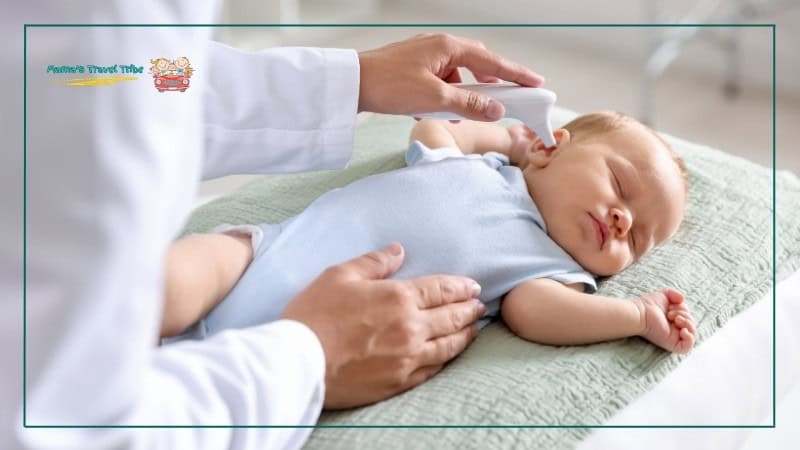
A travel first-aid kit does not need to look like a clinic drawer. It just needs to handle the ordinary things that happen on trips: scrapes, minor cuts, a blister, a small fall, or the child who needs a quick reset after getting hurt. The CDC’s travel health kit guidance specifically recommends packing first-aid items and enough supplies for common minor illnesses and injuries.
What usually earns a place:
- bandages
- a simple way to clean a scrape
- one or two comfort or skin-support basics your family already uses
- a pouch that keeps those items together instead of scattering them through the bags
A simple first-aid check:
| First-aid basic | Why it matters on trips |
| bandages | the most common small-injury fix |
| wipe or simple cleanup item | helps with cuts and scrapes when no sink is close |
| one skin-support basic your child already uses | useful for small irritation or outdoor wear-and-tear |
| one clear first-aid pouch | makes the items findable under pressure |
Hydration tools deserve space because travel breaks the normal rhythm
Hydration slips on trips because nobody means for it to. The day just gets busy. The family is moving, waiting, or trying to finish one more stop, and the child ends up drinking less than usual until the behavior starts changing. That is why hydration tools are safety items, not just convenience items. They help the adult stay ahead of the point where the child is already hot, tired, cranky, or fading.
A practical hydration setup usually means:
- one cup or bottle setup the child already uses well
- one easy way to refill during the day
- keeping it reachable instead of packed away with destination items
A simple hydration check:
| Hydration tool | Why it belongs in the safety setup |
| familiar cup or bottle | the child is more likely to actually use it |
| easy refill plan | helps the family not wait too long between drinks |
| day-bag placement | turns water into a real option, not a buried one |
Sun and weather protection should be packed like problem-solvers, not filler
Weather protection earns its place because it prevents the kinds of problems that quietly make the whole day less safe: overheating, sun exposure, wet clothes, cold hands, or a child who gets tired faster because the outfit never really matched the conditions. The useful safety items here are not the bulky “just in case” pieces. They are the few things that actually help the child stay comfortable enough to keep moving safely.
That usually means:
- one workable hat
- one weather layer that fits the actual trip
- sunscreen if the day calls for it
- extra socks or a dry clothing reset if weather can change the whole outing
A practical weather-safety check:
| Protection item | Why it belongs in the safety setup |
| hat | helps lower direct sun exposure |
| simple weather layer | handles wind, cooler evenings, or mixed conditions |
| sunscreen | supports longer outdoor stretches |
| extra socks or dry layer | fixes the small comfort problems that turn into bigger safety problems later |
Car seat or restraint plan is a safety essential even when it is not physically packed in the bag
This part matters because transport safety usually fails before the family gets into the car, not after. The plan is either clear or it is not. If the child needs a car seat, a plane restraint decision, or a predictable ride setup, that belongs in the safety checklist every time, even if the actual seat is already installed, already tagged, or already handled somewhere else.
What matters most is knowing:
- what the child will ride in
- whether the adults know how it will be used
- whether the first transfer after arrival is already solved
- whether the backup plan is real, not theoretical
A simple restraint check:
| Restraint question | Why it belongs on the safety list |
| how will the child ride safely | keeps the family from making rushed transport choices |
| who is handling the setup | lowers confusion during transitions |
| what happens on the first ride after arrival | usually the most tired and rushed moment |
| what is the backup if the original plan fails | avoids weak last-minute trade-offs |
Comfort items that prevent escalation are safety items too
A comfort item may not look like a safety tool, but on real travel days it often is. A child who can settle faster, regulate better, and recover from one hard stretch without falling apart is easier to supervise, easier to move safely through a crowded place, and less likely to hit the point where adults start making rushed choices. That is why I treat the main comfort item as part of the safety setup, not just the sleep or entertainment setup.
The useful comfort items are usually the ones the child already trusts:
- one lovey, pacifier, or familiar small object
- one calming item that works during waiting or transitions
- not five different soothing options, just the one or two that actually help
A practical comfort-item check:
| Comfort item | Why it belongs in the safety kit |
| familiar calming item | helps lower travel-day escalation |
| sleep-related comfort item | supports rough transitions and overtired stretches |
| one backup only if truly needed | keeps the system simple while protecting the main item |
Quick-clean items solve more safety problems than parents expect
Quick-clean items are some of the least glamorous and most useful things in the whole travel setup. They help with diapering, cuts, sticky hands, food messes, dirty surfaces, wet clothes, minor spills, and the small moments that can make a child much harder to manage if the adult cannot fix them quickly.
What usually earns a place:
- wipes
- one cloth or stronger cleanup backup
- a dirty-item or disposal bag
- one easy-access section of the bag that keeps those items together
A practical quick-clean check:
| Quick-clean item | Why it matters |
| wipes | solves the widest range of small travel problems |
| cleanup cloth | helps when wipes are not enough |
| dirty-item bag | keeps one mess from spreading through the bag |
| grouped cleanup pouch | makes response faster under pressure |
That is really what makes these safety essentials worth packing every time. They do not just sit in the bag. They help the family recover quickly before a small problem turns into a bigger one.
Your family travel safety checklist before you leave
This is the part of the guide where safety stops being a broad idea and turns into a real departure check. By the time the family is ready to leave, the biggest decisions should already be made. You are not trying to invent a better plan in the driveway or at the airport. You are checking that the right plan is actually set up, the right items are packed in the right places, and the first day of the trip will not start with preventable confusion.
I like this checklist because it catches the ordinary gaps that make families feel less steady once the trip is moving. The transport plan was discussed, but not fully settled. The medicine was packed, but not in the day bag. The emergency contacts exist, but no one can find them quickly. The safer trip usually starts with a much more boring morning.
A simple before-you-leave view:
| Final safety check | What you want the answer to be |
| Transport plan confirmed | yes, and everyone knows the first transfer |
| Sleep setup confirmed | yes, especially for arrival night |
| Medicine packed | yes, and easy to reach |
| Emergency contacts stored | yes, in one simple place |
| Day-one safety items accessible | yes, not buried in luggage |
| Destination hazards considered | yes, at least the obvious ones |
| Child supervision plan clear | yes, especially for transit-heavy parts of the day |
Transport plan confirmed
This is the first thing I would check because it affects everything that comes after it. If the family still does not know exactly how the child is getting from the airport, train station, or arrival point to the first stop safely, the rest of the bags do not matter much. The safest transport plan is usually the one that is already settled before the family is tired.
A good final transport check means:
- the first ride after arrival is clear
- the child’s restraint setup is clear
- the adults know who is handling the child and who is handling bags or gear during the first transfer
- the backup plan is real if the first option falls through
A practical transport check:
| Transport question | What to confirm before leaving |
| How is the child riding safely first? | the answer is already decided |
| Who is handling the seat, stroller, or carrier? | clear adult roles |
| What if the first transfer is delayed or messy? | one backup option already thought through |
| Does the plan still work if everyone is tired? | yes |
If this part still feels vague, that is usually the sign to slow down and fix it before the trip starts moving.
Sleep setup confirmed
Arrival-night sleep causes a lot of avoidable travel stress because it is easy to assume the family will sort it out later. Later is usually when everyone is tired, hungry, and less willing to keep the setup simple. A strong final safety check makes sure the sleep plan is not just “we packed pajamas.” It makes sure the actual sleep setup for the child is realistic and easy to start on arrival.
That usually means:
- the child’s sleep surface plan is clear
- the most important sleep items are packed together
- the arrival-night setup is not buried under destination items
- the adults know what matters most if bedtime goes badly
A useful sleep check:
| Sleep question | What to confirm before leaving |
| Where is the child sleeping the first night? | already decided |
| Are the key sleep items grouped together? | yes |
| Are the first-night items easy to grab? | yes |
| If the child is overtired, is the safest simple plan still clear? | yes |
This is also where the broader packing system starts doing real work. If the family already built a strong family travel packing list for babies, toddlers, and preschoolers, the first-night setup is usually much easier to trust.
Medicine packed
This part should be more specific than “yes, we brought it.” The better question is whether the medicine the child may actually need during the travel day is packed where it can help. A lot of parents technically remember the medicine and still make the day harder because the health items are in the wrong bag or separated from the dosing tools and notes that make them usable.
A strong medicine check usually means:
- daily medicine is in the day bag or carry-on
- the first-use amount is easier to reach than the backup supply
- the dosing tool is packed with the medication
- fever or pain basics are packed if the family normally relies on them
- nothing important is still in the bathroom cabinet or on the kitchen counter
A practical medicine check:
| Medicine item | What to confirm before leaving |
| regular medication | packed in the correct bag |
| travel-day basics | easy to reach |
| dosing tools | packed with the medicine itself |
| backup supply | packed, but behind the first-use set |
This is one of the easiest categories to verify in under a minute and one of the most useful to get right.
Emergency contacts stored
Emergency contact details do not need to be elaborate to be useful. They just need to be easy to find. On a trip, that usually means one clear digital note, one simple paper backup if the trip is bigger or more complex, and enough information that either adult could use it without searching through photos, old emails, or memory.
What I like having ready:
- emergency contacts
- pediatrician or primary-care number if useful
- insurance details
- allergy or medication notes if relevant
- one recent child photo on the adult’s phone
A practical emergency-info check:
| Emergency info | What to confirm before leaving |
| contact numbers | saved in one easy-to-find place |
| insurance details | accessible, not buried |
| medical notes | simple and current |
| recent child photo | easy to pull up quickly |
This is the kind of preparation that does nothing most of the time, which is exactly what you want. But if the family needs it, it matters fast.
Day-one safety items should be accessible before the trip starts moving
A lot of family safety planning breaks down because the useful items are technically packed but not reachable on the first day. The trip starts, the child gets hungry, the line gets longer, the stroller has to be folded, or the first transfer takes more time than expected, and suddenly the family is digging for things that should have been easy to grab from the start.
The day-one safety layer should be the part of the setup that covers:
- the first food and water needs
- one quick clothing reset
- the child’s comfort item
- the basic medicine or cleanup items that could matter before arrival
- the documents and emergency details the adults may need quickly
A practical day-one check:
| Day-one item | What to confirm before leaving |
| first snack and drink setup | easy to reach, not buried |
| wipes and quick cleanup items | in the day bag or closest-access layer |
| one backup outfit | packed as a full reset |
| comfort item | assigned to the right bag |
| health pouch | reachable without unpacking everything |
If the family would have to stop and reshuffle bags to reach these items, they are not really in the right place yet.
Destination hazards should be considered before the family walks into them tired
Families do not need a full hazard report for every destination. They do need a quick mental check of the obvious things that are likely to matter. Is the area highly walkable or traffic-heavy? Is the lodging likely to have stairs, balconies, or kitchen access? Is the climate hot, buggy, windy, or mixed? Is water part of the trip? The point is not to overthink every detail. It is to avoid being surprised by the very things the family could have anticipated.
What usually helps is a short destination-specific review:
- transport realities
- weather and sun exposure
- water access
- room layout concerns
- how much daily walking or outdoor time the child will actually be handling
A practical destination-hazard check:
| Destination question | What to confirm before leaving |
| Is the destination walkable or transport-heavy? | affects supervision and gear choices |
| Are water or outdoor risks part of the trip? | affects weather, visibility, and fatigue planning |
| Is the lodging likely to need a stronger room scan? | affects first-arrival priorities |
| Does the daily plan fit the child’s stage and energy? | lowers avoidable friction later |
This is one of the easiest ways to make the first day feel steadier. When the adults already know what kind of hazards are most likely, the setup usually gets simpler and safer right away.
Child supervision plan should be clear for transit-heavy days
This is one of the most useful checks in the whole guide because supervision often gets weaker during transitions, not during the “main” part of the trip. Airports, parking lots, boarding lines, hotel check-in, curbside pickup, rest stops, and attraction entrances all create the same basic problem: the adults are doing several things at once and the child is most likely to drift right then.
That is why I like a very plain supervision plan for travel days:
- who is physically responsible for the child in the next transition
- when the child is walking versus riding
- when hand-holding becomes non-negotiable
- what the rule is when both adults’ hands are full
- what changes when the child is tired, hungry, or overstimulated
A practical transit-day supervision check:
| Transit-day moment | What to confirm before leaving |
| airport or station movement | which adult is focused on the child |
| boarding or curbside transfer | who handles child vs bags or gear |
| parking lots and rest stops | what the close-supervision rule is |
| tired-child stretches later in the day | how the family will simplify the setup |
The clearer these roles are before the trip starts, the less likely the family is to make rushed supervision mistakes once the day gets busy.
What to do when the day is going off track
This is the part of family travel safety that matters most in real life. Plans go sideways. Flights delay. Naps disappear. Weather changes. The child who was doing fine an hour ago is suddenly hungry, loud, clumsy, or completely done. Most of the time, the safest response is not pushing harder. It is noticing sooner that the setup is no longer working and changing the day before a manageable problem turns into a bigger one.
I think of this section as the recovery part of family travel safety tips. The family does not need to save the original plan. It needs to make the next hour safer and easier to handle.
A simple off-track check:
| When the day starts slipping | What usually helps most |
| everyone is rushing | stop and reset before making the next decision |
| the child is fading fast | food, water, rest, and a simpler next step |
| the plan depends on powering through | cut the plan down instead of stretching it |
| adults are getting sharp and reactive | lower the friction before anything else |
When to pause plans
A pause is usually the safest move when the adults are still trying to “get through” a situation that is already clearly getting worse. The hard part is that pauses can feel like lost time. On family trips, they are often what keeps a hard stretch from becoming a bad one.
I usually see a pause as necessary when:
- the child is no longer moving safely
- simple directions are not landing
- the adults are juggling too many things at once
- the next transition depends on everyone suddenly cooperating better than they are right now
A practical pause check:
| Sign it is time to pause | Why it matters |
| child is tripping, crying, or fighting every transition | safety and cooperation are already dropping |
| adults are trying to sort bags, transport, and snacks at once | attention is too split |
| the family keeps saying “just one more thing” | the margin is already gone |
| the next part of the day feels harder than it should | the plan needs a reset, not more force |
A pause does not have to be long. It just has to be real enough that the adults can think clearly again and the child can recover a little before the next move.
When to eat, hydrate, and reset
This is one of the simplest and most effective recovery steps because so many travel-day problems are really regulation problems wearing a different face. A child who looks defiant may be hungry. A child who looks “wild” may be overtired or dehydrated. A parent who wants to rush may just be running on too little food, too little water, and too much pressure.
That is why I like using a very plain reset order:
- offer food
- offer drinks
- change the environment if it is too hot, loud, or crowded
- simplify the next step
A useful reset check:
| If the day feels like this | Try this first |
| child is melting down over small things | snack and drink before assuming behavior is the main issue |
| everyone is getting irritable | stop moving and reset food and water first |
| the child has been in transit too long | use the next break for regulation, not just logistics |
| adults are debating what to do next | feed and hydrate before deciding |
A lot of travel safety gets easier once the family stops treating hunger, thirst, and overload like side issues.
When to simplify the itinerary
This is where parents often know the right answer but resist it because the schedule still looks possible on paper. The child may technically be able to make it through one more outing, one more stop, one more late meal, or one more walk back across town. The question is not whether it is technically possible. The question is whether it is still a good safety decision.
Simplifying the itinerary usually means:
- cutting one stop
- going back earlier
- choosing the closer food option
- skipping the extra activity
- letting the day end in a plainer way than originally planned
A practical simplify-the-day check:
| If the plan now depends on… | The safer move is usually… |
| the child suddenly cooperating better | shorten the plan |
| adults moving faster while more tired | remove a step |
| pushing bedtime later and later | end the outing sooner |
| squeezing in “just one last thing” | skip it |
This is one of the most useful family travel skills there is. A simpler day is often the safer day.
When safety matters more than schedule
This is usually the moment parents feel the most tension. The plan still exists, the reservation is still there, the ride is still booked, or the outing still looks possible if everyone just pushes a little harder. But the child is tired, the adults are stretched, and the day is starting to depend on luck more than good judgment. That is when safety needs to win.
For me, this is less about one dramatic rule and more about a simple question: are we still making decisions from a clear place, or are we now trying to force the day because changing it feels inconvenient?
Safety matters more than schedule when:
- the child is no longer moving or listening safely
- the adults are too rushed to supervise well
- the next step depends on hunger, fatigue, or stress magically improving
- the environment is now asking more than the family can comfortably handle
A practical schedule-vs-safety check:
| If the day depends on this | Safety usually says this |
| pushing a tired child through one more transfer | stop or simplify |
| skipping food, water, or rest to stay “on time” | reset first |
| taking a weaker transport option because it is faster | go back to the safer plan |
| ignoring the room, weather, or crowd setup because of timing | slow down and fix the setup |
This is one of the most important travel skills families can build. Not finishing every plan. Knowing when the plan has stopped fitting the child safely.
How to recover after a bad transfer, missed nap, or long delay
A bad stretch does not have to ruin the whole day. But it usually does need a real recovery, not just more motion. If a transfer went badly, a nap disappeared, or a delay ate the family’s margin, the safest next step is usually to lower the pressure and rebuild from the basics instead of trying to jump right back into the original pace.
I like using a very plain recovery order:
- stop moving if possible
- feed and hydrate
- change what is easy to change first: clothes, temperature, stimulation level
- simplify the next decision
- shorten the rest of the day if needed
A practical recovery check:
| Travel problem | Better recovery move |
| bad transfer with bags, stress, and child meltdown | stop and reset before deciding the next step |
| missed nap | lower expectations and simplify the rest of the schedule |
| long delay | food, water, movement, then a smaller plan |
| child is now tired, hot, and overwhelmed | remove stimulation before adding more fixes |
The goal is not getting the day “back on track” exactly as it was. It is getting the family back to a steadier place where the next decision is easier and safer to make.
FAQ
How do I keep my toddler safe while traveling?
Keep the setup simple and close. Confirm transport early, keep your toddler physically near you in crowded places, scan rooms on arrival, and carry the few items that prevent the day from falling apart fast, like snacks, water, wipes, and one comfort item.
What safety items should I pack for travel with kids?
The highest-value safety items are regular medicine, fever basics, emergency contacts, water, safe snacks, a quick cleanup kit, one backup outfit, weather protection, and the child’s main comfort item. The key is keeping them in the bag you can actually reach.
Is it safe to use rideshares with a baby?
It can be, but only if the restraint plan is already clear before the trip starts. The biggest problem with rideshares is not the app itself. It is the rushed curbside moment where parents are tempted to make a weaker choice because everyone is tired.
How do I childproof a hotel room?
Start with a fast room scan before unpacking much. Move breakables, cords, hot drinks, medicine, and other low hazards right away. Check the bathroom, exits, balconies, stairs, and any kitchen setup. Then create one safer zone where your child can stay while you settle in.
What is the safest way for a toddler to sleep in a hotel?
The safest setup is usually the simplest one that matches your child’s normal sleep routine as closely as possible. Keep the sleep area clear, make arrival-night items easy to grab, and avoid improvising once everyone is overtired.
Should I bring my child’s car seat on vacation?
Usually yes if your child will ride in cars several times, if the destination transport is unclear, or if you want a safer and more consistent setup. Bringing your own seat often lowers rushed decisions later, even if it adds some travel-day effort.
How do I keep my child safe in crowded airports?
Decide early when your child is walking and when they are riding. Keep them physically close before the crowded moment starts, not after. Make adult roles clear during security, boarding, and arrival so one person is always focused on the child.
What should I do if my child gets sick while traveling?
Slow the day down first. Focus on fluids, simple food if tolerated, rest, and easy access to medicine. Know where local care is before you need it, and keep emergency and medical information easy to find so the next step feels clearer if symptoms get worse.
Conclusion
● Family travel safety is mostly about preparation, not panic.
● Transport, sleep, crowds, weather, and water create the biggest everyday risks.
● The safest trips usually have simpler plans and clearer setups.
● Easy-access safety items matter more than overpacking.
● When the day goes off track, the safer move is usually to pause and simplify.
Travel with young kids will never be perfectly smooth, and it does not need to be. What helps most is a steadier setup, fewer rushed choices, and a plan that still works when the day gets messy. When families lower friction, they usually lower risk too.