

The best family trip is usually not the most ambitious one. It is the one that fits your child’s age, energy, sleep needs, and how well they handle movement, waiting, and change. That is why some outings feel surprisingly easy and others feel much harder than they looked on paper.
This guide is here to help with that decision. It is not a destination roundup stuffed with random ideas. It is a practical way to think through which outings, day trips, road trips, city breaks, beach trips, and overnights are more likely to work for babies, toddlers, and preschoolers.
A good trip for a baby is not the same as a good trip for a two-year-old. A good trip for a preschooler is not just a toddler trip with bigger snacks. The real question is not “Where do families go?” It is “What kind of trip actually fits my child right now?”
How age changes the kind of trip that works
Picking the right trip starts with a quieter question than most parents expect: what kind of day actually fits my child right now? The best best trips with toddlers are usually not the most exciting ones on paper.
They are the ones that match sleep, energy, appetite, movement, and how well your child handles change. That is just as true for babies and preschoolers. If the format of the trip fights your child’s stage, the destination usually cannot save it.
That is why this guide works better as a decision page than a destination roundup. A baby-friendly trip is not just a toddler-friendly trip with more diapers. A preschool trip is not just a toddler trip with bigger snacks.
The shape of the day changes as kids change, and that is what makes some outings feel easy and others feel like too much.
A simple way to think about it:
| Child stage | What usually makes a trip work |
| Baby | low transfers, easy feeding, stroller or carrier flow, nap-friendly pace |
| Young toddler | room to move, short outings, simple meals, fewer long waits |
| Older toddler | repetition, movement breaks, familiar rhythms, low-friction logistics |
| Preschooler | clearer structure, longer outings, more destination payoff, simpler instructions |
Why travel with babies is different from travel with toddlers
Travel with a baby is usually about support. Travel with a toddler is usually about management. Babies need feeding, naps, carrying, shade, and a calm pace. Toddlers need movement, space, snack timing, and fewer situations that ask them to wait too long or stay still too often. That difference changes the whole kind of trip that works.
A baby can do well on a quiet museum stop, a stroller walk, or a short overnight where most of the day still feels close to home. A toddler might hate that same setup if there is nowhere to move and too much time spent being carried from one adult plan to the next. This is why broad “kid-friendly” advice tends to fall flat. It often skips the real issue, which is stage.
The CDC’s guidance for traveling with children points parents back to the fact that children face different travel risks and needs depending on age and developmental stage, and the American Academy of Pediatrics travel safety guidance takes the same practical approach. Trips work better when the plan matches the child in front of you, not a generic idea of family travel. (CDC)
If this is your first family trip, check out our ultimate family travel packing list.
Why mobility changes everything
Mobility is the shift that catches a lot of parents off guard. A child who was easy to take along at six months may become much harder to travel with at fourteen months, not because travel suddenly got worse, but because the child now wants to move, climb, touch, and refuse containment at the exact moment the family still wants “easy” outings.
That is why the same destination can feel completely different a few months later. A one-year-old often does better with open outdoor spaces, splash areas, zoo paths, and short local outings than with long meals, crowded museums, or anything built around lines.
A two-year-old may love novelty in small doses, then fall apart if the day has too many transitions stacked together. If you are already at that stage, places to go with a 2-year-old is the kind of narrower planning page that helps because it solves the “what actually works now” question instead of just naming destinations.
A simple mobility check:
| If your child is at this stage | Trips usually work better when they include… |
| Mostly stroller or carrier based | smoother pacing and fewer stop-start transitions |
| Newly walking | safe room to move and short outing length |
| Fast toddler stage | outdoor space, low waiting time, easy exits |
| Preschool movement with better listening | more destination payoff and longer activity windows |
Why sleep needs affect trip choice
Sleep is one of the biggest trip selectors parents underrate. Some children can handle a missed nap, a late bedtime, and a car transfer after dinner without much fallout. A lot of babies and toddlers cannot.
That does not mean travel is a bad idea. It means the trip format needs to respect what happens after the fun part ends.
A child who depends heavily on naps may do better with morning outings, stroller-friendly day trips, short hotel stays, and local overnight plans where bedtime is easier to protect. A child who sleeps well on the go may be able to handle longer outings or more ambitious day structure.
This is also where beach days, city trips, and road trips start separating from each other. One child can nap in motion and recover. Another really needs the room, the dark, and the usual rhythm.
If your family is also thinking about the practical side of getting out the door, the broader family travel packing list for babies, toddlers, and preschoolers becomes relevant here too, because sleep support is often what makes a smaller trip feel manageable instead of chaotic.
Why “kid-friendly” is too vague to be useful
A lot of parents search for “kid-friendly” when what they really mean is “Will this work for my child without wrecking the whole day?” Those are not the same thing.
A place can have a children’s menu, a play corner, or a family label on the website and still be a bad fit for a baby who needs a quiet nap window, a toddler who cannot handle long lines, or a preschooler who melts down when the plan has too many transitions.
That is why I try to think in trip mechanics instead of broad labels. The better questions are:
- Is there room to move?
- How much waiting is built into this?
- Can we leave easily if needed?
- Does the day depend on staying out too long?
- Is food, rest, and bathroom access simple?
A “kid-friendly” beach resort may still be a rough fit for a toddler who hates heat and skips naps. A small local park, short zoo visit, or easy lakeside outing may work much better even if nobody markets it as special.
This is also why outdoor content often becomes more useful than flashy destination lists. For families in that stage, how to hike with a toddler can be more practical than a generic family-vacation roundup because it helps match the outing to the child’s actual pace and tolerance.
A quick reality check:
| “Kid-friendly” claim | Better question to ask |
| Family destination | Will my child handle the format of the day? |
| Great for kids | Great for what age and what kind of kid? |
| Lots to do | How much of it fits naps, meals, and movement needs? |
| Easy family outing | Easy once you add your child’s actual rhythm? |
Why parents should choose for rhythm, not just entertainment
This is the part that usually makes the biggest difference. The best trip for young kids is rarely the one with the most attractions. It is the one with the best rhythm. A child who can eat on time, move at the right moments, rest before they crash, and get through the day without too many hard transitions is much more likely to enjoy the outing. So are the adults.
That is why a smaller plan often works better than a more impressive one. One anchor activity, one meal window that is easy, one good movement break, and one clear way to stop before everyone is done can carry a day surprisingly well. A packed itinerary full of “fun” can still go badly if the rhythm is wrong.
I think about rhythm in very plain terms:
- How long until the first snack?
- When does the child get to move freely?
- How hard is it to leave?
- What happens if the nap is shaky?
- How late will the day run if everything takes longer?
This is also where families often discover that local, repeatable outings are real travel wins. A short road trip with easy stops, a simple overnight, or a morning outing that ends before the hard part of the day can be much more successful than a bigger plan.
If you are building toward bigger driving days later, best road trip activities for kids becomes a natural next read because rhythm on the road is often what decides whether the trip works.
How to choose the right trip for your child’s stage
This is the part that turns the guide into a real decision tool. A trip can sound great in general and still be wrong for your child right now. The better question is not “Is this family-friendly?” It is “Does this fit my child’s current energy, nap pattern, appetite, and tolerance for movement?” That is where most of the difference is.
The CDC’s traveling with children guidance is useful here because it treats children as a stage-based travel group, not one flat category. The AAP’s travel safety advice does the same thing in more practical family terms: the right plan depends on age, routine, and how well a child handles the shape of the day.
A simple trip-fit check:
| Decision factor | What it tells you |
| Energy level | Whether the outing needs movement or can handle waiting |
| Nap dependence | How much the day can stretch before it falls apart |
| Feeding and snack demands | How flexible the outing really is |
| Transport tolerance | Whether the travel part will be easy or the hardest part |
| Routine needs | How much novelty your child can handle without losing it |
| Crowd and noise tolerance | Whether the destination fits your child’s regulation style |
| Recovery time | How ambitious the next day can be |
Energy level
This is usually the fastest way to narrow down what kind of trip will work. Some children do well with long stroller days, quiet observation, and slower pacing. Others need to move almost constantly or the outing starts breaking down. The same age does not always mean the same fit. One toddler can handle a zoo morning and lunch out. Another does much better with a park, one short errand, and home before the hard part of the day starts.
That is why I like to think in terms of outing style, not destination label.
A practical energy-level check:
| If your child is more… | Trips usually work better when they include… |
| calm and observant | stroller time, slower outings, shorter stops |
| high movement | open space, walking, climbing, and fewer waits |
| mixed depending on the day | one main activity and an easy exit plan |
| energetic but easily overloaded | movement first, then quieter time before leaving |
This is also where activity-based support posts start helping more than broad vacation lists. If the day will involve long drive stretches, best road trip activities for kids is useful because energy management on the way there often decides whether the destination still feels worth it.
Nap dependence
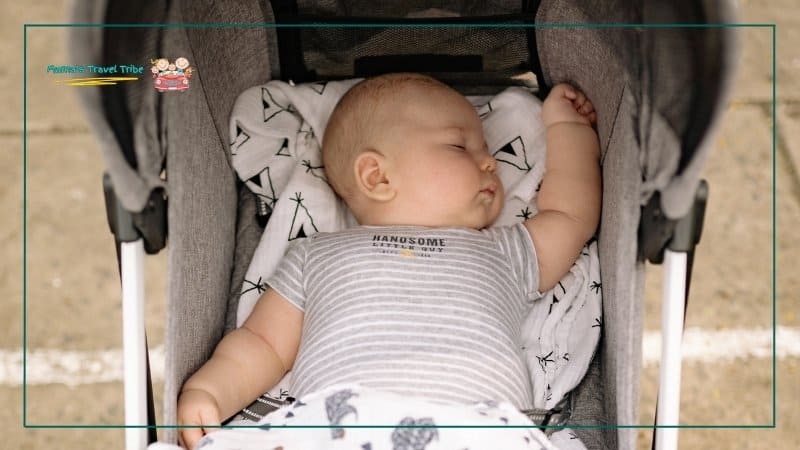
Nap dependence changes the whole size of a trip. A child who still needs a reliable nap, or at least a quiet reset, usually does better with shorter outings, early starts, and plans that do not depend on pushing through the middle of the day. A child who can nap in motion may be able to handle more. A child who only sleeps well in a dark room may need a very different setup, even if the outing looks easy on paper.
HealthyChildren has a practical point that matters here too: keeping sleep and mealtime routines as steady as possible tends to make family travel go more smoothly. That is not glamorous advice, but it is usually the right advice.
A simple nap-fit check:
| Nap reality | Trip type that usually fits better |
| child needs a solid nap at home or in a room | local outings, short day trips, early-finish plans |
| child naps in stroller or car fairly well | longer day trips with built-in quiet windows |
| naps are inconsistent but still matter | one anchor activity, then room to adjust |
| naps are mostly fading out | longer outings may work, but recovery still matters |
Feeding and snack demands
A lot of trip formats fail because adults underestimate how much the day depends on easy food timing. Babies need predictable feeding support. Toddlers often need snacks before they seem hungry. Preschoolers can go longer, but they still do better when meals are not an afterthought. Once the food part gets messy, the whole outing usually gets harder to manage.
That is why I think snack access tells you a lot about whether a trip makes sense. A simple beach morning with easy food and shade may fit your child better than a “better” attraction with long lines and awkward meal timing. The same goes for day trips with lots of transfers. If the child’s next food window depends on everything going right, the plan is probably too tight.
A quick feeding-fit check:
| Food reality | Trips usually work better when… |
| child still feeds frequently | the outing is short and easy to pause |
| toddler needs snacks often | food stays within reach and timing stays flexible |
| meals strongly affect behavior | the plan does not stack too much between food windows |
| child gets picky when tired | the trip has easy fallback food, not just destination food |
Transport tolerance
This is one of the most useful trip filters because some children do fine once they arrive, but struggle so much with the travel part that the outing is barely worth it. A child who hates the car, melts down in transit, or gets thrown off by too many handoffs may not be a good fit for a trip that looks simple on a map but requires a lot of movement to reach the actual fun part.
That is why I like to count transfers, not just miles. One smooth drive may work better than a shorter trip with parking, shuttle, waiting, and walking all stacked together. One direct flight may work better than a “cheaper” itinerary that eats the whole day. If your child is in the stage where movement is the main challenge, smaller and more direct usually wins.
A practical transport-tolerance check:
| Transport pattern | Better trip fit |
| child does well in the car | local road trips and stop-friendly day plans |
| child gets restless fast | shorter transfers and faster payoff after arrival |
| child dislikes multiple handoffs | direct routes and simpler arrival plans |
| child recovers slowly after transit | smaller outing once you get there |
Need for routine
Some children can handle a lot of novelty as long as the day keeps moving. Others start falling apart once too many familiar anchors disappear at once. That is why routine is such a useful planning filter. It is not about making travel rigid. It is about knowing how much change your child can absorb before the trip stops being fun and starts feeling like a long regulation problem.
A child who depends on familiar meal timing, predictable rest windows, and a calmer bedtime often does better with local outings, repeat visits, short hotel stays, and simpler weekend trips. A child who adjusts more easily may be able to handle city days, longer outings, or more varied trip structure.
A practical routine check:
| Routine pattern | Trip type that usually fits better |
| child does best with familiar structure | short day trips, local overnights, repeatable outings |
| child can flex a little but not all day | one anchor plan with easy reset windows |
| child adjusts well to a changed day | longer outings with still some meal and rest structure |
| child looks easy until bedtime falls apart | smaller trip during the day, stronger finish routine |
This is also where first-time travel plans usually go wrong. Parents assume the child will “just go with it,” when the better move is often building a trip around the routines that keep the child easiest to be around.
Tolerance for crowds and noise
A child’s crowd and noise tolerance changes what kind of destination is actually worth it. Some babies can nap through a lot of stimulation. Some toddlers get loud and dysregulated the minute the space gets crowded. Some preschoolers love novelty until the environment becomes too noisy, too busy, or too hard to predict. That difference matters more than whether the attraction is technically designed for families.
Crowds change a trip in a few ways:
- more waiting
- more transitions
- less room to move
- more adult attention split
- more overstimulation before the “main” activity has even started
A simple crowd-tolerance check:
| If your child tends to… | Trips usually work better when… |
| get overwhelmed by noise | the outing stays quieter and more open |
| struggle with lines | the day avoids queue-heavy attractions |
| do well early but fade in busy places | you go early and leave before the peak |
| get excited and impulsive in crowds | the environment has simpler movement and easier exits |
This is one reason small outdoor outings, local zoo mornings, nature centers, and low-pressure day trips often beat “bigger” destinations for toddlers. They leave more room for movement and less room for sensory overload.
How much recovery time your child usually needs
Recovery time is one of the most useful planning clues because it tells you how much the trip costs your child, not just how much they enjoyed it. Some children can do a bigger outing and bounce back by the next morning. Others need a slow afternoon, an early bedtime, or a quiet next day after something that looked simple on paper.
That matters because a trip is not just the activity itself. It is the whole arc:
- getting there
- doing it
- getting back
- sleeping after it
- how the next day feels
A practical recovery-time check:
| Recovery pattern | What it usually means for trip planning |
| child bounces back quickly | more room for longer outings or back-to-back plans |
| child needs a quiet afternoon after a big morning | shorter trips or one-anchor-plan days work better |
| child sleeps worse after busy outings | simpler evenings matter more than bigger daytime plans |
| child is harder the whole next day after a busy trip | the outing was probably too big for this stage |
This is where a lot of parents start making better decisions. Not by asking “Did my child have fun?” but by asking “What did that outing cost them afterward?”
Best outing ideas for babies
The best best trips with a baby are usually the ones with the fewest moving parts. Babies do not need a packed itinerary. They need a trip shape that works with feeding, naps, carrying, temperature, and how much stimulation they can handle before the day gets harder than it needs to be. That is why low-friction outings tend to win at this stage.
This is also where a lot of parents put too much pressure on themselves. A good baby outing does not have to look impressive. A stroller walk, a short café stop, a family visit, or a one-night local hotel stay can absolutely count as real travel. Small, repeatable outings are often the best travel ideas for babies because they let parents learn what works without overcommitting.
A simple baby-outing filter:
| If the outing has this | It usually works better for babies |
| Easy exits | Parents can leave before the day goes sideways |
| Low transfer count | Less unpacking, reloading, and stress |
| Shade or indoor backup | Easier temperature and nap management |
| Flexible timing | Feeding and sleep stay easier to protect |
Stroller walks
Stroller walks are one of the best low-pressure baby outings because they ask very little from the day. The parent does not have to manage a lot of transitions, there is no long check-in process, and it is usually easy to turn around if the baby is done. A simple walk around a neighborhood, waterfront, botanical garden, zoo path, or outdoor shopping area can be enough.
What makes stroller walks work is not excitement. It is control. Parents can set the pace, stop when needed, and keep the outing short enough that the rest of the day still feels manageable.
A stroller walk usually works best when:
- the route has shade or easy indoor breaks
- parking and bathrooms are simple
- the outing does not require a strict arrival time
- the walk can end quickly if naps or feeding shift
A quick stroller-walk check:
| Better stroller outing | Harder stroller outing |
| Easy route with simple parking | Complicated arrival with lots of transfers |
| Flexible timing | Timed entry that raises pressure |
| Quiet outdoor space | Crowded setting with nowhere to stop |
Quiet parks
Quiet parks work well for babies because they give parents space without demanding a big destination day. A park with walking paths, benches, shade, and a calm setting can be enough for a real outing. Parents get out of the house, babies get fresh air and a change of scene, and the whole day does not depend on perfect timing.
This is one of the easiest places to go with young kids because it scales well. A quiet park can stay useful later when the baby becomes a toddler and needs more movement. For now, it gives the family a simple outing that still feels worth doing.
Quiet parks usually work best when they have:
- stroller-friendly paths
- trees or covered areas
- bathrooms nearby
- enough calm space that parents do not feel rushed
Local cafés with outdoor space
This kind of outing works best when parents treat it as a short stop, not a full event. A local café with outdoor seating can be a great baby outing because it gives adults a small break and gives the baby a lighter change of setting without asking too much from the schedule. It works especially well after a stroller walk or as part of a very small morning plan.
The key is keeping expectations realistic. The goal is not a long, leisurely meal. It is a short, manageable outing that still feels a little more interesting than staying home all day.
A café stop usually goes better when:
- there is outdoor seating
- the stop is timed around a calm part of the day
- parents can leave fast if needed
- the outing is close to home or easy to bail on
Family visits
Family visits are some of the most practical family trips by age for babies because they often remove the biggest source of friction: doing everything in public. There is usually a place to sit, feed, reset, change a diaper, and slow the day down without feeling like the outing failed. That makes family visits one of the easiest first travel formats for new parents.
They also work well because they can be scaled. A short local visit can become a low-pressure overnight later. A baby does not need a huge destination to get something out of the day. Often, a visit that lets the adults feel supported and the baby stay reasonably on rhythm is already enough.
This is also where the site’s broader guide on traveling with a baby and toddler fits naturally, because family visits are often the first real “trip” many parents attempt.
Baby-friendly museum or aquarium visits
These outings usually work best when parents think of them as short, controlled indoor walks rather than full attraction days. A baby-friendly museum or aquarium can be a strong option because it offers climate control, bathrooms, changing space, and a slower pace than many outdoor attractions. The trick is choosing the right kind of visit, not just the right place.
For babies, the best museum or aquarium outing usually has:
- easy stroller access
- no pressure to see everything
- a quiet part of the day
- a clear exit if the baby is done early
A short visit can go very well because babies often respond well to movement, light, and a new setting without needing the outing to last long. The mistake is treating it like a big-ticket event that has to justify the entry fee with hours and hours of staying power.
A quick museum-or-aquarium check:
| Better fit for babies | Harder fit for babies |
| Short visit with flexible timing | Long day built around seeing it all |
| Easy stroller movement | Crowded or tight indoor flow |
| Calm weekday or early start | Peak-hour family rush |
Short hotel stays
Short hotel stays are one of the best first “real trip” formats for babies because they let families practice travel without committing to a huge plan. Parents get to test packing, sleep setup, feeding away from home, and the basic rhythm of being out overnight, but they still stay close enough to home that the trip does not feel too high stakes.
What makes a short hotel stay work is not the hotel itself. It is the small scale:
- one night instead of several
- one easy dinner and one easy breakfast
- one room setup instead of constant movement
- one chance to learn what actually matters before trying something bigger
This kind of trip also gives parents a better sense of whether the baby handles changed sleep spaces, unfamiliar bedtime flow, or next-morning routine shifts with relative ease or not. That is useful information for every later trip.
Low-transfer day trips
Low-transfer day trips are often the sweet spot for babies because the day stays simple. One drive, one destination, one manageable outing, then home. No shuttle, no multiple timed stops, no stacked transitions where the baby keeps having to reset in a new place.
That is what makes them so useful as travel ideas for babies. The family still gets a meaningful outing, but the baby is not paying for it with constant unloading, reloading, and schedule drift. Good low-transfer day trips usually include:
- one straightforward drive
- one easy destination
- food and bathroom access
- the option to leave without the whole day collapsing
A simple low-transfer check:
| Low-transfer trip | Why it works better |
| One drive to one destination | Less disruption to feeding and naps |
| One main activity | Easier to keep the day calm |
| Easy exit plan | Parents can leave without feeling trapped |
When not to overdo it
This is one of the most useful baby-travel decisions parents can make. Babies often give families a softer early warning than toddlers do. They get fussier, harder to settle, more sensitive to noise, less interested in feeding, or suddenly much harder to move through the day with. That is usually the point where the outing needs to get smaller, not more ambitious.
A lot of baby outings go wrong not because the original plan was bad, but because the family kept stretching it after the easy part was already over.
Signs the outing is probably big enough:
- the baby is getting much harder to settle
- feeds are getting awkward or delayed
- naps are falling apart in a way the baby is not handling well
- the adults are starting to say “just one more stop”
A practical stop-now check:
| If the outing feels like this | It usually means |
| baby is suddenly much fussier | the day may already be long enough |
| the next step depends on a perfect nap or feed | the plan is getting too fragile |
| adults are trying to squeeze in one more thing | it is probably time to head back |
| the easy rhythm is gone | the best part of the outing is already over |
Best trip ideas for 1-year-olds
This is the stage where travel often gets harder before it gets easier. A one-year-old is usually more mobile, more opinionated, less happy to stay still, and still very tied to naps, snacks, and quick changes in mood. That is why the best travel ideas for toddlers at this age are usually the ones with room to move and very little pressure to “perform” through the day.
A one-year-old trip works best when it has:
- short travel windows
- easy food timing
- space to walk or crawl safely
- fast exits if the day starts slipping
- low reliance on lines, waiting, or sitting still
A simple one-year-old trip filter:
| If the trip has this | It usually works better for 1-year-olds |
| Open space | Easier movement and less frustration |
| Flexible meal timing | Less chance of the day falling apart around food |
| Short travel time | Better odds the destination still feels worth it |
| Easy leave-early option | Less pressure on the whole outing |
Short getaways
Short getaways are often the best first “real” trips for one-year-olds because they give families a break from home without asking the child to handle too much change at once. One or two nights is often enough. Parents get to test sleep away from home, meal timing, and how the child handles a slightly different environment, but the trip still stays small enough to recover from if it is rough.
What makes short getaways work is not luxury or novelty. It is the limited size of the plan. One-year-olds usually do better with:
- one destination
- one room setup
- a simple dinner and breakfast plan
- no pressure to fill every hour
This is also where smaller local travel becomes a real strength. A nearby overnight often teaches families more than a bigger trip because it shows what actually matters for this stage.
Outdoor spaces with room to move
Outdoor spaces are one of the safest bets for one-year-olds because they match the age so well. A child at this stage often wants freedom more than entertainment. They want to walk, squat, point, pick things up, move toward interesting textures, and shift pace constantly. Outdoor spaces make that easier than most structured attractions do.
Good options usually include:
- open parks
- botanical gardens with wide paths
- zoo routes with lots of walking room
- quiet green spaces where the child can move without constant correction
This is one reason outdoor trips often beat indoor “kid-friendly” outings at this age. Indoors, parents usually end up saying no more. Outdoors, there is often more room for the child to be a one-year-old without the whole outing feeling tense.
Simple beach days

A simple beach day can work very well for a one-year-old, but only if it stays simple. This is not usually the age for a long, all-day beach setup with elaborate timing and lots of gear. What works better is a short beach visit built around one good window of the day, with shade, snacks, and a clear exit before the child gets too hot, too sandy, or too tired.
A one-year-old beach trip usually goes better when:
- the visit is short
- shade is easy
- the child can move a little without the whole setup becoming stressful
- food and cleanup are simple
- adults are willing to leave while it is still going reasonably well
A quick beach-day check:
| Better one-year-old beach day | Harder one-year-old beach day |
| Short visit with shade and snacks | Full-day outing that depends on perfect timing |
| Easy walk from car or room | Long carry with too much gear |
| One calm play window | Whole day built around staying put |
Local day trips
Local day trips are one of the best family outings with toddlers at this stage because they keep the travel part short enough that the destination still has value once the child arrives. A one-year-old often does not need a huge attraction. They need a place where the outing feels different from home without being much harder than home.
Strong local day trips for this age often include:
- a park plus lunch
- a nature center with stroller-friendly paths
- a short zoo trip
- a lakeside walk
- a children’s garden or open outdoor attraction
These outings are also easier to repeat, which matters. Familiarity often helps one-year-olds more than adults expect. The second visit can go better than the first because the parents already know the rhythm of the place.
Zoo or nature-center visits
Zoo and nature-center visits often work well for one-year-olds because they combine movement with just enough visual interest. The child does not have to “understand” the whole outing for it to be worth doing. At this age, the real value is the pace: walk a little, stop a little, look a little, snack, move again. That rhythm fits one-year-olds much better than attractions that expect long attention spans or lots of sitting.
A better one-year-old zoo or nature-center day usually looks like:
- one short visit, not an all-day event
- stroller support plus some walking time
- easy bathrooms and shade
- no pressure to cover the whole place
A simple visit check:
| Better fit | Harder fit |
| Short route with a few stops | Trying to “see everything” |
| Early start and easy exit | Midday crowds and long walking loops |
| Flexible pace | Strict schedule and rushed transitions |
Trips with flexible mealtimes
This is one of the biggest hidden trip filters at this age. One-year-olds often do not do well when food timing gets too rigid. A destination can sound perfect, but if lunch has to happen at one exact place, at one exact time, after one long stretch of waiting, the whole day can start sliding fast.
That is why the best trip ideas for one-year-olds usually include some meal flexibility. Parents do better when they can:
- offer snacks before things get ugly
- shift the meal earlier or later without the outing collapsing
- sit down quickly if the child is done
- fall back on familiar food if the destination food is too much hassle
A practical mealtime check:
| If the outing has this | It usually works better |
| Easy snack breaks | Hunger does not build into a bigger problem |
| Simple lunch options | Parents are not gambling on one exact meal stop |
| Space to eat without pressure | The child can settle instead of spiraling |
| Familiar backup food | The outing stays workable if the main plan flops |
This is also where smaller, local outings often beat bigger attraction days. The more flexible the food part is, the more likely the rest of the outing stays manageable.
Avoiding places built around long lines
Long lines are one of the clearest signs that a trip may not fit a one-year-old well. At this stage, waiting is usually harder than the attraction itself. A child who is happy moving, pointing, walking, and snacking through a park may completely lose it in a queue-heavy day, even if the destination is technically designed for families.
That is why I usually put line-heavy places in the “maybe later” category for this age. A lot of one-year-old outings go better when the destination has:
- immediate payoff after arrival
- room to move while waiting
- no long entry process
- easy exits instead of one-way commitment
A quick line test:
| Good one-year-old outing sign | Bad one-year-old outing sign |
| The fun starts soon after arrival | The day depends on waiting first |
| You can move around easily | You are stuck in one spot |
| Leaving early is simple | The whole outing feels locked in |
| The child can snack and reset naturally | Every delay makes the day harder |
That is often the real difference between a good trip and a bad one at this stage. Not whether the place is fun in theory, but whether the format of the day asks too much waiting from a child who is built for movement.
Best places to go with a 2-year-old
Age two is where trip planning gets very specific. This is usually not the stage for broad “family-friendly” advice or ambitious destination lists. Two-year-olds often want movement, repetition, quick payoff, easy snacks, and the freedom to be done without turning the whole day into a disaster. That is why this section is one of the real core parts of the guide. When parents search where to go with a toddler, they are often really asking where to go with a child who is curious, fast, easily thrown off by hunger or waiting, and not especially interested in adult ideas of fun.
The best best trips with toddlers at this age usually have:
- room to move
- low waiting time
- simple exits
- easy snacks and bathrooms
- just enough novelty to feel exciting without being overwhelming
A simple two-year-old filter:
| If the outing has this | It usually works better for 2-year-olds |
| Open space | Less frustration and more natural movement |
| Immediate payoff | The child gets to do something quickly |
| Flexible timing | Easier snack, nap, and exit decisions |
| Short recovery from a bad moment | Parents can reset the day instead of abandoning it |
Outdoor spaces
Outdoor spaces are often the safest answer for a two-year-old because they solve the biggest problem at this age: the child needs to move more than most outings naturally allow. Parks, gardens, zoo paths, easy trails, open farm spaces, and walkable nature spots all tend to work well because they let the child walk, point, stop, squat, climb a little, and keep changing pace without the adults having to fight the setting all day.
That is why outdoor spaces usually beat “attraction” thinking for this age. A big destination can sound more exciting, but a simple outdoor place often gives the child a better day.
Good outdoor spaces for two-year-olds usually have:
- wide walking areas
- simple parking and bathrooms
- shade or easy breaks
- enough variety that the child stays interested without needing a big itinerary
Petting farms
Petting farms are one of the clearest examples of a good two-year-old outing because the format often fits the age. There is movement, visual interest, outdoor space, and simple reward built into the day. Kids get to look, point, feed, walk, stop, and move again. It feels exciting without always demanding the long attention span that bigger attractions do.
What makes a petting farm work well is not just the animals. It is the rhythm:
- short bursts of interest
- easy movement between sections
- lots of room for reset
- natural snack and break opportunities
A quick petting-farm check:
| Better fit | Harder fit |
| Smaller farm with easy walking | Huge farm with lots of distance and little shade |
| Flexible entry and pacing | Timed or crowded setup that adds pressure |
| Room to leave early | One-way format that keeps the family trapped longer |
Splash areas
Splash areas work well for many two-year-olds because they combine movement, novelty, and short attention spans in a way that feels natural. The child does not have to understand a big activity. They just get to move, react, cool off, and play in short cycles. That is often exactly what this age handles best.
The main caution is not to overbuild the day around the splash area. A short splash outing usually works better than a full-day water plan. Shade, snacks, dry clothes, and easy exits matter more than trying to stretch the outing into something bigger.
A practical splash-area check:
| Better splash outing | Harder splash outing |
| Short visit with dry clothes ready | Full-day setup with too much gear |
| Shade and snack support | Long hot exposure with no easy reset |
| Easy walk back to car or room | Complicated exit after the child is already tired |
Playground-centered outings
A lot of the time, the best place to go with a two-year-old is simply a strong playground outing. Not because it sounds impressive, but because it matches the child better than many bigger plans do. A playground-centered morning can include walking, climbing, snack timing, free play, and an easy finish. That is often more useful than dragging a two-year-old through something designed mainly for adults.
Parents who want the longer list of specific outing types please read 20 best places to go with a 2-year-old.
Toddler-friendly museums
A toddler-friendly museum can work well at age two, but only if parents choose the right kind. The best ones are hands-on, open, and easy to leave. The harder ones are quiet, line-heavy, or built around “looking nicely” for too long. At this age, the museum has to feel more like movement with interesting stops than a formal attraction day.
What usually makes a museum work for a two-year-old:
- interactive spaces
- short visit length
- easy stroller or walking flow
- low pressure to see everything
- bathrooms and snacks nearby
A simple museum check:
| Better toddler museum visit | Harder toddler museum visit |
| Hands-on children’s museum | Quiet museum with lots of “don’t touch” moments |
| One short exhibit loop | Full-building plan with no easy exit |
| Early arrival | Busy midday visit with crowd buildup |
Short staycations
Short staycations are one of the most practical toddler-friendly trips for this age because they let families practice travel without asking too much from the child. A two-year-old often likes the novelty of a hotel, new room, pool, elevator, or breakfast setup, but still benefits from being close enough to home that the trip does not feel high stakes.
What makes a short staycation work:
- one or two nights at most
- one or two simple outing options nearby
- no pressure to pack the schedule
- easy return to the room for snacks, naps, or resets
Read my parent guide on traveling with a baby and toddler because a short staycation is often the easiest way to test your family’s current stage before trying something bigger.
A quick staycation check:
| Better staycation setup | Harder staycation setup |
| Close to home with simple plans | Long drive plus packed schedule |
| One main outing per day | Trying to turn it into a full sightseeing trip |
| Easy food and bedtime setup | Late nights and too many transitions |
When novelty helps and when it backfires
Novelty is tricky at age two. A little bit of it can make a day feel exciting. Too much of it can make the child lose the plot completely. That is why some new outings go surprisingly well and others fall apart even when they sound more fun.
Novelty tends to help when:
- the child still has familiar anchors like snacks and rest
- the outing is short
- the environment leaves room to move
- the family can leave easily
Novelty tends to backfire when:
- the day stacks too many new things together
- food and nap timing get shaky
- the place is crowded, noisy, or line-heavy
- the adults keep stretching the outing after the easy part is over
A practical novelty check:
| Novelty helps when… | Novelty backfires when… |
| it is one new thing inside a familiar day | the whole day is new, loud, and overpacked |
| the child can explore at their own pace | the child has to follow an adult-paced schedule |
| there is still room for routine | routine disappears all at once |
That is really the key with two-year-olds. The best outing usually is not the biggest or newest one. It is the one that gives the child just enough fresh interest without asking them to handle a whole day built on novelty alone.
If this is your first time traveling with a baby and a toddler, check out my detailed guide here.
Best trip ideas for preschoolers
Preschool is the stage where travel starts opening up again. Kids can usually follow simple instructions better, handle longer outing windows, and get more out of destination-based trips than they did at one or two. That does not mean every trip suddenly becomes easy. It just means the range gets wider. More places start feeling worth the effort because the child can participate in the day instead of mostly being managed through it.
The best best vacations with preschoolers usually work because they balance two things well:
- enough structure that the day makes sense
- enough flexibility that the adults can still adjust when energy drops
A preschool trip usually works better when it has:
- one clear plan at a time
- movement built in
- meals and rest that do not get pushed too far
- destination payoff that matches the effort it takes to get there
A simple preschool-trip filter:
| If the trip has this | It usually works better for preschoolers |
| Clear shape to the day | Easier transitions and better behavior |
| More destination payoff | The outing feels worth the travel effort |
| Room for breaks | Preschoolers still tire faster than adults expect |
| Some chance to follow rules successfully | The child feels more capable instead of constantly corrected |
Longer day trips
This is one of the clearest ways preschool travel gets easier. A preschooler can often handle more total outing time than a toddler, especially if the day has one main goal and enough breaks built around it. That might mean a bigger zoo day, a children’s museum plus lunch, a longer drive to a worthwhile stop, or a scenic outing with more walking than a younger child would manage well.
The trick is not confusing “can handle longer” with “can handle anything.” A longer day trip still works best when it has:
- one main attraction or anchor plan
- predictable food timing
- a calm way to end the day
- enough recovery afterward
A quick longer-day-trip check:
| Better preschool day trip | Harder preschool day trip |
| One longer outing with planned breaks | Several activities stacked together |
| Clear start, middle, and finish | Constant transitions with no reset time |
| Enough payoff for the travel effort | Long travel for a short or awkward activity |
City outings with structured breaks
City outings can start working much better at preschool age because kids are more likely to tolerate walking, simple rules, and a few adult interests mixed into the day. The key is that the day still needs structure. A preschooler can do well in a city, but not usually on an adult-style itinerary full of constant movement and long transit chains.
What helps most:
- one anchor plan in the morning
- one break for food or rest before the next push
- walkable neighborhoods instead of constant transport
- realistic expectations about how much one child can do in one day
A practical city-day check:
| Better preschool city day | Harder preschool city day |
| One main plan plus one simple extra | Packed sightseeing schedule |
| Walkable area with breaks | Heavy transit and lots of switching |
| Adult interests balanced with kid pace | Entire day built around adult priorities |
Simple theme-park style experiences
Preschoolers are often the first age where this kind of outing starts feeling worth it. They can get excited about rides, shows, themed spaces, and more structured attraction days in a way younger kids often cannot. But “theme-park style” does not have to mean a massive all-day park. Often, the better fit is a smaller amusement park, local attraction, children’s experience center, or anything with simple rides and shorter outing windows.
The best version of this for preschoolers usually includes:
- realistic ride and line expectations
- one anchor part of the day the child is excited for
- no pressure to stay until closing
- enough downtime built in that the outing does not turn into endurance
Road trips with more activity stops
Road trips often improve at preschool age because the child can understand the sequence better. There is more payoff in the destination, more ability to use travel-day activities, and usually a little more tolerance for car time than in the peak toddler stage. That said, the road trip still works best when it includes movement breaks and not just more hours in the seat.
This is where your internal post on best road trip activities for kids fits naturally. Preschoolers can get much more out of simple travel games, activity kits, and stop-and-go rhythm than younger toddlers often can.
Beginner nature trips
Preschool is also when more nature-based trips start making sense. Easy trails, lake outings, cabin weekends, longer park days, and slow outdoor travel can all work better once a child can follow simple instructions and enjoy the destination in a more deliberate way.
Families leaning into this stage often get more value from how to hike with a toddler because the question shifts from “Can we go at all?” to “What kind of nature trip actually fits this child well?”
Destination types that work better once kids can follow simple instructions
This is one of the biggest differences in the preschool stage. More destinations start feeling worth it because the child can handle basic expectations like stay close, wait a minute, walk with us, hands to yourself, and we’re leaving after this. That changes the whole range of trips that feel realistic.
Destination types that often work better now include:
- bigger zoo or aquarium days
- children’s museums with a longer visit window
- simple amusement parks or ride-based attractions
- city outings with one strong anchor plan
- beginner nature trips with more walking and clearer boundaries
A practical preschool-destination check:
| Destination type | Why it often works better at preschool age |
| Bigger attraction days | The child can get more payoff from the outing |
| Structured city outings | Simple rules make movement easier |
| Ride- or show-based places | The child can anticipate and enjoy the format more |
| Nature trips with clear boundaries | Adults can rely a little more on simple instructions |
That still does not mean every preschooler is ready for every “family” destination. It just means the trip can now be built around a little more destination value and a little less pure damage control.
The best first trips for new family travelers
The best first trip with kids is usually smaller than parents expect. That is not because families are doing anything wrong. It is because the first trip is doing two jobs at once. It is not just the outing itself. It is also the first real test of how your child handles packing, movement, naps away from home, different sleep spaces, and the basic rhythm of being out longer than usual.
That is why I think the first trip should be chosen for learning, not ambition. A good first trip tells you useful things:
- how much transit your child handles well
- what actually matters in your bag
- whether naps can flex a little or not
- how bedtime works away from home
- what makes the day easier before everyone is tired
A simple first-trip filter:
| Good first-trip sign | Why it matters |
| Close to home | Easier to recover if the day goes badly |
| One main activity | Less pressure on the whole outing |
| Easy food and bathroom access | Fewer avoidable stress points |
| Simple overnight option | Lets parents test sleep without overcommitting |
Local overnight stays
Local overnight stays are one of the best first-trip formats because they let families practice real travel without going too far. You still pack, leave home, sleep somewhere else, and wake up away from your normal setup, but the whole thing stays close enough that it feels manageable.
This works well because the family gets to learn what matters most:
- what bedtime away from home really looks like
- how much stuff is actually useful
- how the child handles the room change
- whether one night already feels like enough
A local overnight can be a hotel, a cabin, or even a short stay near a familiar town. The main point is not the destination. It is the size of the experiment.
Short drives
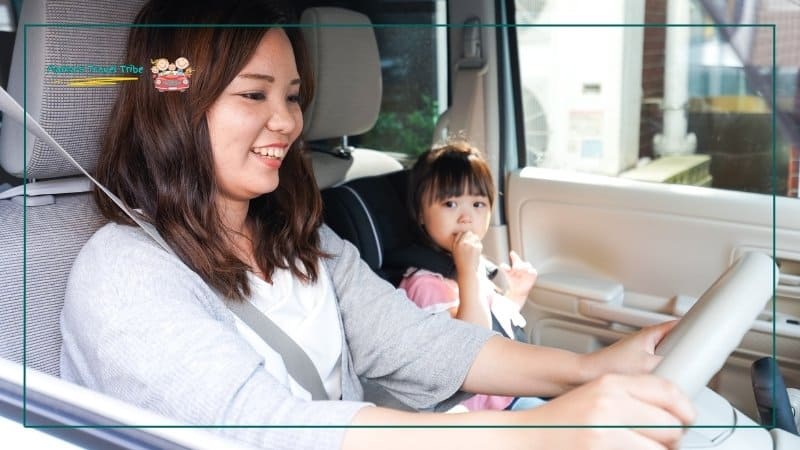
Short drives make good first trips because they keep the travel part from becoming the whole problem. A child may actually enjoy the destination, but if the drive there is too long, the parents may not get a fair read on what kind of outing works. A short drive keeps things cleaner. The family can focus on the outing itself instead of spending all of their energy getting there.
If the day depends on the car going well, best road trip activities for kids helps parents think through how to make even a short first drive feel easier.
A practical short-drive check:
| Better first drive | Harder first drive |
| Short enough that the destination still has value | Long enough that the child is already done on arrival |
| Easy parking and simple arrival | Complicated unloading or lots of walking after the drive |
| One destination | Multiple stops that stretch the day too far |
One-attraction day trips
A one-attraction day trip is often the sweet spot for first-time family travel because it keeps the day understandable. One park. One aquarium. One zoo stop. One children’s museum. One beach morning. That shape works well because parents are not trying to solve three different outing problems in one day.
A one-attraction trip also makes it easier to see what your child actually responds to. Did they like the space? Was the outing too long? Did food timing matter more than the activity? Did the travel part cost too much? Those answers get muddy when the day has too many moving pieces.
A simple one-attraction check:
| Better first day trip | Harder first day trip |
| One clear plan | Several stops tied together |
| Easy exit once the child is done | The day depends on completing everything |
| Enough time for the outing itself | More travel and transition than actual fun |
Low-pressure family visits
Family visits are one of the most underrated first trips because they offer something most public outings do not: room to recover. There is usually somewhere to sit, feed, reset, change clothes, or step away for a minute without feeling like the whole outing failed. That makes them a strong choice for families who want to travel a little without building the entire day around public logistics.
They also work well because they can stay small. A short visit can become a half-day trip. A half-day trip can become an overnight later. The family gets to build confidence without pretending the first trip has to be some big proving ground.
Why the first trip should be smaller than parents think
A lot of parents choose the first trip based on what sounds meaningful. In practice, the first trip usually works better when it is chosen for how easy it is to stop, reset, and recover. That often means smaller than the adults first imagined. Not because families are incapable, but because the first outing is really a trial run for everything around the destination too.
A smaller first trip helps because:
- the child has fewer transitions to absorb
- parents can see what matters before they are too far from home
- bedtime and meals are easier to protect
- the whole day does not depend on “making it worth it”
This is especially true with babies and toddlers. A short local overnight, a simple beach morning, or one calm attraction often teaches more than a bigger weekend that feels ambitious but exhausting.
A practical first-trip size check:
| If the first trip looks like this | It may already be too big |
| multiple stops plus a long drive | too many moving parts for a first test |
| strict arrival or meal timing | less room for normal kid delays |
| destination only feels worth it if the whole day goes well | too much pressure on the outing |
| parents are already saying “we can just push through” | it is probably oversized for a first try |
What makes a first trip feel manageable
Manageable first trips usually share the same few traits. They are close enough to home that the adults do not feel trapped. They have one main point instead of several. Food, bathrooms, naps, and exits are simple. The child gets enough room to still be themselves. The day has a clear stopping point before everyone is worn down.
That is what makes a trip feel calm instead of fragile.
A first trip tends to feel more manageable when it has:
- one anchor plan
- one easy drive or one easy overnight
- flexible food timing
- low pressure around naps or bedtime
- no need to prove anything
A practical manageability check:
| Good first-trip sign | Why it helps |
| one clear destination | easier for the day to make sense |
| short travel time | the child still has energy for the fun part |
| simple meals | fewer stress points once the day gets going |
| easy way to leave early | parents do not feel stuck if the mood shifts |
| low expectations | the family can actually learn from the trip |
That is usually the real goal of the first trip. Not to travel big. To travel in a way that teaches you what fits your child right now.
Day trips vs weekend trips vs longer vacations
This is where a lot of family trip planning gets easier. Parents often jump straight to destinations when the more useful question is length. The same place can work beautifully as a day trip, feel rough as a weekend, or become much too much as a full vacation depending on the child’s stage. That is why the best family trips by age are often really about matching trip length to your child’s current margin.
A shorter trip usually asks less from:
- naps
- meals
- bedtime
- packing
- recovery
- parent patience
A longer trip can absolutely work, but it needs more support. More days do not automatically make a trip better for young kids. Sometimes they just stretch a format that already barely fits.
A simple trip-length check:
| Trip length | What it usually tests most |
| Day trip | transit, snack timing, naps, and exit strategy |
| Weekend trip | sleep away from home, packing, and next-day recovery |
| Longer vacation | the full system: transport, routine, stamina, and reset ability |
When day trips are enough
Day trips are often underrated because they do not feel dramatic. In real life, they are one of the best ways to find out what your child can handle without paying the full price of a bigger trip. A good day trip can still include a drive, a destination, food, movement, and a real outing rhythm. It just ends with everyone sleeping at home, which changes a lot.
Day trips tend to work especially well when:
- your child still depends heavily on sleep at home
- you are testing a new kind of destination
- the travel part may be harder than the outing itself
- you want something real without taking on packing and overnight logistics
A practical day-trip check:
| Day trip is often enough when… | Why |
| the destination is close enough to reach without draining the child | the outing still has some value after arrival |
| the child is in a nap-sensitive stage | home sleep keeps the day easier to recover from |
| parents are still learning what works | the risk stays lower and the lessons stay useful |
| the child fades hard in the late afternoon | ending at home helps a lot |
When a weekend trip is a better test
Weekend trips are usually the next step once day trips start feeling too small to answer the real question. A weekend tests the part of travel that a day trip cannot: sleeping somewhere else, waking up somewhere else, and doing a second day without the full reset of home in between.
That is what makes a weekend such a good bridge. It is long enough to feel like travel, but short enough that parents do not have to solve the whole vacation puzzle at once.
A weekend trip often makes more sense when:
- day trips already go fairly well
- parents want to test hotel or rental sleep
- the destination is better with one overnight
- the child can handle one changed bedtime without losing the whole next day
This is also where your broader site structure starts connecting well. A shorter overnight often pairs naturally with the bigger logistics pages on packing, flights, and safety because it is the first point where those systems start mattering more.
Signs your child can handle a longer trip
A longer trip does not require a perfect traveler. It usually requires a child whose basic patterns hold together reasonably well away from home. That might mean they sleep fairly well in new places, recover decently after busy days, handle transit without the whole trip hinging on it, and do not completely unravel when meals or timing shift a little.
Some useful signs:
- shorter outings still leave margin left
- overnights no longer feel like survival mode
- the child can handle one rough stretch without losing the whole next day
- parents know what their actual pressure points are and how to plan around them
A practical longer-trip check:
| Sign a longer trip may fit | What it usually means |
| shorter trips feel steadier now | the family system is getting stronger |
| sleep away from home is manageable | bedtime is no longer the whole problem |
| travel transitions do not wipe the child out completely | the destination still feels worth reaching |
| parents know the child’s patterns well | planning gets more realistic and less hopeful |
Why travel length changes the planning load
A longer trip does not just mean more days. It changes how many things the family has to keep working at once. On a day trip, you mostly need the outing to go well enough to get home. On a weekend, you need sleep, morning mood, and packing systems to hold together too.
On a longer vacation, you are managing all of that across several days, often while adding laundry, resupply, weather changes, and more chances for one rough day to affect the next one.
That is why trip length matters so much. Every extra day adds more than time. It adds more room for:
- sleep disruption
- meal timing drift
- overtired behavior
- packing mistakes
- adult fatigue
- recovery needs that get ignored because the trip is still moving
A practical planning-load check:
| As the trip gets longer | What usually gets harder |
| More days away | Keeping routines steady enough to help |
| More transitions | Staying organized when kids are already tired |
| More outings stacked together | Protecting recovery instead of just “making the most of it” |
| More chances for weather or delays | Keeping the plan flexible without losing the whole trip |
That is not a reason to avoid longer trips. It is just a reason to size them honestly. A trip that fits for one day may not fit for four if the system behind it is still shaky.
How to build up gradually
This is usually the best way to get to bigger travel without making the early trips harder than they need to be. Families learn more by stacking small wins than by forcing one giant test. A good progression often looks very simple:
- local outing
- longer local outing
- day trip
- one-night stay
- weekend trip
- longer trip once the shorter ones stop feeling so fragile
The point is not to travel in perfect order. It is to let each smaller trip teach you something useful before the next one gets bigger.
A gradual build usually works better because:
- parents learn what actually matters instead of guessing
- the child gets used to the shape of travel in smaller doses
- packing and mealtime systems improve naturally
- bedtime away from home becomes less of a first-time shock
- the family starts planning from real experience, not hope
A simple build-up check:
| If this feels steady now | The next step may be… |
| local outings go well | a longer outing or day trip |
| day trips feel manageable | a one-night stay |
| one-night stays are no longer chaotic | a weekend trip |
| weekends feel stable and recoverable | a longer vacation |
That is often how the best best trips with toddlers actually get built. Not through one big leap, but through smaller trips that show the family what fits this stage right now.
Road trips that actually work with young kids
Road trips work best when parents stop thinking of them as “driving vacations” and start thinking of them as moving days with children attached. The destination still matters, but the drive shape matters just as much. That is why some road trips feel surprisingly easy and others feel bad long before the family gets anywhere worth seeing. The best best trips with toddlers by car are usually not the ones with the fanciest endpoint. They are the ones where the drive, stops, and destination all fit the child’s current stage.
A good road trip with little kids usually has:
- realistic driving time
- clear stop points
- easy food timing
- a destination that still feels worth it once the child arrives
- enough movement breaks that the car is not the whole battle
A simple road-trip filter:
| Road-trip factor | What usually matters most |
| Drive length | Whether the child still has energy left for the destination |
| Stop quality | Whether breaks actually help instead of just delaying misery |
| Destination fit | Whether the place rewards the effort of getting there |
| Child age | Whether the child can tolerate being contained that long |
| Parent expectations | Whether the family is planning for the real drive, not the ideal one |
Best ages for short road trips
Short road trips can work at almost any age, but they work differently depending on the stage. Babies often do well when the drive is calm, feeding timing is protected, and the destination does not demand much once you arrive. One-year-olds and two-year-olds are often the hardest ages for longer drives because they want to move more and tolerate being strapped in less gracefully. Preschoolers often start handling road trips better because the destination can mean more to them and simple travel-day activities start becoming useful.
A practical age-and-drive check:
| Age stage | What usually works best |
| Baby | shorter drives with simple arrival plans |
| 1-year-old | short drives with strong movement breaks |
| 2-year-old | very realistic drive windows and easy stops |
| Preschooler | somewhat longer drives if the destination payoff is clear |
This is one reason I think short road trips are often better than ambitious ones for younger toddlers. The child’s stage matters more than how much the adults want the drive to “count.”
When road trips are easier than flights
Road trips are usually easier than flights when the child struggles more with airports, long waiting, and fixed restrictions than they do with the car. They can also be easier when the family wants more control over timing, food, layers, and how often to stop. A road trip gives parents more flexibility. That is often the biggest advantage.
A road trip may be the better fit when:
- the destination is close enough that the drive is still reasonable
- the child does badly with airport waiting
- the family needs a lot of gear
- the adults want more freedom to adjust the pace
- the outing would feel too compressed by flight-day stress
A quick road-trip-versus-flight check:
| Road trip may be easier when… | Flight may be easier when… |
| the child needs flexible stop timing | the drive would be so long it eats the whole trip |
| gear and snacks matter a lot | the destination is much farther but easy once you land |
| the family wants more control over the day | the airport part is simpler than an all-day drive |
How much driving is realistic
This is usually where road-trip plans either become practical or stay fantasy. A drive is only realistic if the child can get through it without the destination becoming pointless afterward. That means parents need to think beyond mileage and ask a more honest question: once we get there, will this still feel worth it?
For many toddlers, realistic driving time is shorter than adults want it to be. Not because toddlers cannot survive a long drive, but because surviving it and handling the destination well are different things.
A practical driving-time check:
| If your child usually… | More realistic drive fit |
| gets restless quickly | shorter drives with strong stop support |
| naps well in the car | moderate drives may work better |
| hates transitions after being confined | keep the drive short so the destination still has value |
| recovers slowly from long travel | build the whole trip around a smaller radius |
Choosing stop-friendly destinations
A stop-friendly destination is often more important than a scenic one. The best road-trip destinations for little kids usually reward the natural rhythm of the drive. They are easy to enter, easy to leave, and close to the kinds of stops that already help kids regulate: parks, playgrounds, food, bathrooms, and open spaces.
Good stop-friendly destinations usually have:
- simple parking
- easy bathrooms
- room to move soon after arrival
- no long walk from car to actual fun
- a format that still works if the child is slightly tired on arrival
Read this post on best road trip activities for kids for more insights. Once parents know the road trip format might work, the next real question is how to make the drive itself more manageable.
Building the trip around movement breaks
This is usually the part that makes or breaks a road trip with young kids. Movement breaks are not just nice extras. They are often the thing that keeps the drive from turning into one long stretch of frustration. A good stop gives the child a real reset: move, eat, use the bathroom, change the emotional temperature of the day, then get back in the car with a little more margin.
The key is making the stops count. A rushed gas-station stop where the adults are still doing everything at once may not help much. A better stop usually has:
- room to move safely
- enough time to reset instead of just reload
- simple food or snack timing
- a clear point where the family gets back in the car before the child fully unravels again
A practical movement-break check:
| Better stop | Harder stop |
| small park, open rest area, or playground | cramped stop with nowhere to move |
| enough time to walk and reset | only enough time for adult logistics |
| simple return to the car | chaotic reloading after the child is already done |
| break taken before the child crashes | break delayed until everyone is miserable |
That is really what makes road trips work with young kids. Not just the destination, but the rhythm between driving and resetting.
Flights that make sense for babies and toddlers
Flights are not automatically harder than road trips. They are just different. A flight can save a family from a very long drive, reduce total travel time, and make a bigger destination feel possible. But it also adds airport friction, security, boarding, tighter timing, and a much more fixed travel day. That is why the real question is not “Are flights good or bad with kids?” It is whether this specific flight is worth what the day will cost your child.
For many families, flights make sense when the destination payoff is strong and the airport part is still manageable. A short nonstop to somewhere the family can settle into quickly may be a much better fit than a whole-day drive. A complicated connection with a tired toddler may be the opposite.
A simple flight-fit check:
| Flight factor | What usually matters most |
| Total travel time | Whether flying truly saves enough energy to matter |
| Airport complexity | How much waiting, walking, and transition the child has to absorb |
| Destination payoff | Whether the place is worth the effort of the flight day |
| Child stage | Whether the child handles confinement and transitions reasonably well |
| Family setup | Whether bags, food, and timing are realistic for air travel |
When a flight is worth it
A flight is usually worth it when it clearly solves a bigger problem than it creates. That often means the drive would be too long, the destination is much more practical by air, or the family would lose too much of the trip just getting there another way. A good flight choice often has a clean shape: simple airport, direct route, strong reason for the destination, and a schedule that does not wreck the rest of the trip on day one.
Flights often make more sense when:
- the drive would take most of the day or more
- the destination is much easier once you arrive
- the trip is long enough to justify the travel day
- the flight is direct or close to direct
- the family can land and settle without stacking too many more transitions
The TSA’s guidance for traveling with children is helpful on the practical side because it shows how many small airport decisions families need to handle before they even board. That is exactly why some flights feel worth it and others do not.
When a long drive may be easier
A long drive may still be easier when the airport part would be too messy for the child, when the family needs a lot of gear, or when the destination is not dramatically easier by air. For some toddlers, the ability to stop, snack, move, and reset in the car matters more than the shorter headline travel time of a flight. A road trip can also be easier when the arrival day would otherwise include airport, rental car, loading, hotel check-in, and bedtime all stacked together.
A drive may be the better fit when:
- the family wants more control over timing
- the child struggles with airport waiting more than car travel
- the flight would include a connection
- the destination still requires a lot of driving after landing
- the total difference in travel effort is smaller than it first looks
A quick flight-versus-drive check:
| Better flight fit | Better drive fit |
| Big time saved and simple arrival | More flexible timing and easier resets |
| Direct route and strong destination payoff | Too many airport or connection steps |
| Child can handle the airport day reasonably well | Child does better with stop-and-go movement |
Short-haul vs long-haul with little kids
This is one of the clearest trip filters for babies and toddlers. A short-haul flight is often manageable because the family can build the whole day around getting through it. A long-haul flight asks much more from the child and the adults. Sleep, meals, movement, patience, and recovery all matter more. That does not mean long-haul is impossible. It just means the destination has to be worth a much heavier travel day.
Short-haul flights usually work better because:
- the child spends less total time contained
- the adults use less of their margin before arrival
- the family can recover more easily once they land
Long-haul flights make more sense when:
- the destination payoff is very high
- the trip is long enough to justify the effort
- the family has a strong plan for sleep, food, and recovery
- the parents are not pretending the flight day will be easy
If you are already in the stage of weighing air travel in detail, the broader guide on flying with kids is the natural next step because this section is about whether a flight fits, not how to manage every part of the airport and plane once you commit.
Destination effort vs reward
This is the question parents often skip. Not whether the destination is good. Whether it is good enough for this stage. Some places are wonderful in theory but require too much airport stress, too many transfers, too much late-day movement, or too much adult effort to feel worth it with a baby or toddler right now.
A useful way to think about it:
- How hard is the flight day?
- How easy is the first day after arrival?
- Does the destination naturally fit naps, meals, and child pace?
- Would this place still feel worth it if the first and last travel days are rough?
A practical reward check:
| If the destination offers this | Flying often makes more sense |
| Easy family rhythm once you arrive | Higher payoff for the travel effort |
| Strong value over several days | The flight cost gets spread over more useful time |
| Simple local logistics | Less chance the airport day is only the start of the hard part |
| Child-friendly pace built into the trip | Better odds the trip still fits this stage |
Flights that make sense for babies and toddlers
Flights are not automatically harder than road trips. They are just different. A flight can save a family from a very long drive, reduce total travel time, and make a bigger destination feel possible. But it also adds airport friction, security, boarding, tighter timing, and a much more fixed travel day. That is why the real question is not “Are flights good or bad with kids?” It is whether this specific flight is worth what the day will cost your child.
For many families, flights make sense when the destination payoff is strong and the airport part is still manageable. A short nonstop to somewhere the family can settle into quickly may be a much better fit than a whole-day drive. A complicated connection with a tired toddler may be the opposite.
A simple flight-fit check:
| Flight factor | What usually matters most |
| Total travel time | Whether flying truly saves enough energy to matter |
| Airport complexity | How much waiting, walking, and transition the child has to absorb |
| Destination payoff | Whether the place is worth the effort of the flight day |
| Child stage | Whether the child handles confinement and transitions reasonably well |
| Family setup | Whether bags, food, and timing are realistic for air travel |
When a flight is worth it
A flight is usually worth it when it clearly solves a bigger problem than it creates. That often means the drive would be too long, the destination is much more practical by air, or the family would lose too much of the trip just getting there another way. A good flight choice often has a clean shape: simple airport, direct route, strong reason for the destination, and a schedule that does not wreck the rest of the trip on day one.
Flights often make more sense when:
- the drive would take most of the day or more
- the destination is much easier once you arrive
- the trip is long enough to justify the travel day
- the flight is direct or close to direct
- the family can land and settle without stacking too many more transitions
The TSA’s guidance for traveling with children is helpful on the practical side because it shows how many small airport decisions families need to handle before they even board. That is exactly why some flights feel worth it and others do not.
When a long drive may be easier
A long drive may still be easier when the airport part would be too messy for the child, when the family needs a lot of gear, or when the destination is not dramatically easier by air. For some toddlers, the ability to stop, snack, move, and reset in the car matters more than the shorter headline travel time of a flight. A road trip can also be easier when the arrival day would otherwise include airport, rental car, loading, hotel check-in, and bedtime all stacked together.
A drive may be the better fit when:
- the family wants more control over timing
- the child struggles with airport waiting more than car travel
- the flight would include a connection
- the destination still requires a lot of driving after landing
- the total difference in travel effort is smaller than it first looks
A quick flight-versus-drive check:
| Better flight fit | Better drive fit |
| Big time saved and simple arrival | More flexible timing and easier resets |
| Direct route and strong destination payoff | Too many airport or connection steps |
| Child can handle the airport day reasonably well | Child does better with stop-and-go movement |
Short-haul vs long-haul with little kids
This is one of the clearest trip filters for babies and toddlers. A short-haul flight is often manageable because the family can build the whole day around getting through it. A long-haul flight asks much more from the child and the adults. Sleep, meals, movement, patience, and recovery all matter more. That does not mean long-haul is impossible. It just means the destination has to be worth a much heavier travel day.
Short-haul flights usually work better because:
- the child spends less total time contained
- the adults use less of their margin before arrival
- the family can recover more easily once they land
Long-haul flights make more sense when:
- the destination payoff is very high
- the trip is long enough to justify the effort
- the family has a strong plan for sleep, food, and recovery
- the parents are not pretending the flight day will be easy
If you are already in the stage of weighing air travel in detail, the broader guide on flying with kids is the natural next step because this section is about whether a flight fits, not how to manage every part of the airport and plane once you commit.
Destination effort vs reward
This is the question parents often skip. Not whether the destination is good. Whether it is good enough for this stage. Some places are wonderful in theory but require too much airport stress, too many transfers, too much late-day movement, or too much adult effort to feel worth it with a baby or toddler right now.
A useful way to think about it:
- How hard is the flight day?
- How easy is the first day after arrival?
- Does the destination naturally fit naps, meals, and child pace?
- Would this place still feel worth it if the first and last travel days are rough?
A practical reward check:
| If the destination offers this | Flying often makes more sense |
| Easy family rhythm once you arrive | Higher payoff for the travel effort |
| Strong value over several days | The flight cost gets spread over more useful time |
| Simple local logistics | Less chance the airport day is only the start of the hard part |
| Child-friendly pace built into the trip | Better odds the trip still fits this stage |
Outdoor trips with toddlers and preschoolers
Outdoor trips often work better for young kids than parents expect, especially once the child is old enough to move with some purpose. Parks, easy trails, lakesides, beach paths, cabins, and simple camping setups can all be strong toddler-friendly trips because the day usually matches what little kids already want: movement, open space, snack breaks, and shorter bursts of attention. The big advantage is that outdoor trips often ask less sitting and less waiting than indoor attractions do.
That does not mean every outdoor trip works automatically. The format still matters. Weather, bathroom access, gear load, shade, food timing, and how far the family has to walk all make a huge difference. A simple park morning can be a great fit. A long hike with no easy exit usually is not.
A simple outdoor-trip filter:
| Outdoor trip factor | What usually matters most |
| Distance | Whether the child can still enjoy the outing after getting there |
| Terrain | How much help and supervision the child will need |
| Weather | Whether the outing still works once heat, cold, or wind show up |
| Gear load | Whether the adults can manage the trip without making it feel heavy |
| Recovery | Whether the child will still be okay after the fun part ends |
Park days
Park days are one of the easiest places to go with young kids because they scale well across ages. Toddlers can run, climb, snack, and reset. Preschoolers can handle longer play, more structure, and more walking around the edges of the outing. Parents can leave when they need to, and the day does not depend on perfect timing to still feel worth it.
What makes a park day work is not complexity. It is that the whole outing can stay light:
- easy arrival
- room to move quickly
- flexible snack timing
- simple exit before the child crashes
A practical park-day check:
| Better park day | Harder park day |
| Simple arrival and easy parking | Complicated access before the fun even starts |
| Shade and bathroom access | Long setup with no easy support nearby |
| Enough room to move freely | Crowded setup that creates constant correction |
Easy trails
Easy trails can be a very good fit once toddlers and preschoolers are in a stage where walking itself is part of the fun. The keyword here is easy. Families usually do better with short loops, clear paths, and obvious turnaround points than with anything adults would describe as a “real hike.” The goal is not distance. It is rhythm.
A simple trail-fit check:
| Better easy trail | Harder easy trail |
| Short, visible route | Trail that depends on endurance |
| Clear turnaround point | Long commitment with no easy exit |
| Terrain that matches the child’s stage | Slippery, steep, or overcomplicated path |
Lakeside or beach outings
These outings often work well because they combine open space with natural interest. Kids can walk, dig, throw rocks, watch water, and move through the day in short cycles. The challenge is that lakeside and beach days can also become too long, too hot, or too gear-heavy if parents treat them like full-day productions.
What usually helps:
- shorter outing windows
- shade and snack timing
- one clear base instead of constant movement
- a realistic end point before everyone gets fried
A practical lake-or-beach check:
| Better outing | Harder outing |
| Short visit with one play window | Full-day plan with too much setup |
| Shade and simple food | No easy break once the child fades |
| Easy path back to the car or room | Long carry with tired kids and wet gear |
Camping for beginners
Beginner camping can work well with toddlers and preschoolers, but only when families keep the trip much simpler than they first imagine. A campsite close to bathrooms, a short distance from home, and one overnight can be enough. Families often get better results treating early camping as a controlled outdoor overnight, not a big adventure test.
Read more on camping activities for toddlers. Once the family knows camping might fit, the next practical question is what actually fills the time in a way that keeps the trip easy enough to enjoy.
Weather tolerance
Weather tolerance changes outdoor trips more than parents expect because kids usually feel the shift before adults admit the outing has changed. A warm park morning can turn into a rough late-morning outing fast once the sun gets stronger. A breezy trail can stop being fun the minute one child gets cold and tired at the same time. That is why outdoor trips work best when parents choose destinations that still make sense after the weather changes a little.
A child’s weather fit usually depends on:
- how well they handle heat
- whether they get cold quickly once they stop moving
- how much shade or shelter the outing offers
- how easy it is to reset with food, water, or dry clothes
A practical weather-tolerance check:
| Better weather fit | Harder weather fit |
| Easy shade, water, and rest breaks | Long exposed outing with no quick reset |
| Short outing window | Full-day plan that depends on stable weather |
| Backup layer or dry clothes close by | Parents hoping the conditions stay manageable |
How much gear is too much
This is where outdoor trips often stop feeling fun. The outing may still sound right, but the adults are now hauling so much that the trip feels heavy before it begins. Extra layers, snacks, water, cleanup gear, stroller, carrier, towels, and backup clothes all make sense on their own. The problem is when the total load starts making the trip harder than the child’s actual needs.
A good outdoor trip usually has just enough gear to support:
- food and drinks
- weather changes
- one clothing reset
- basic cleanup
- how the child will move
Once the gear starts taking over, the outing often needs to get smaller, not more organized.
A simple gear-load check:
| Right amount of gear | Too much gear |
| Solves the likely problems | Feels like packing for every possible problem |
| Easy for adults to move with | Slows arrival and exit down too much |
| Matches the outing length | Feels more like hauling than traveling |
When outdoor trips are easier than indoor outings
A lot of parents assume indoor outings are easier because they sound more controlled. With toddlers and preschoolers, the opposite is often true. Outdoor trips usually work better when the child needs movement, gets loud easily, struggles with waiting, or does not do well in crowded, stimulating spaces. An outdoor setting often gives the family more room to spread out, leave early, and let the child act like themselves.
Outdoor trips are often easier when:
- the child needs to move a lot
- lines and indoor noise create problems fast
- the family wants flexible timing
- the child enjoys free play more than structured attractions
A practical indoor-versus-outdoor check:
| Outdoor often works better when… | Indoor often works better when… |
| the child needs space and movement | the weather or timing makes outside difficult |
| crowds and waiting go badly | the family needs climate control and shorter walking |
| the outing needs a simple exit plan | the child can handle more structure that day |
That is one reason outdoor trips stay so useful through the toddler and preschool years. They usually ask less sitting, less waiting, and less pretending the child is older than they are.
City breaks with young kids
City trips can work well with babies, toddlers, and preschoolers, but only when the city part stays smaller than adults first imagine. A good city break with young kids is usually not about covering a lot.
It is about choosing one area that is easy to move through, keeping the day short enough that the child still has something left by dinner, and making sure the logistics do not eat the whole trip before the fun part starts. That is why some city trips feel surprisingly smooth while others feel exhausting even when the city itself is great.
This is also where trip format matters more than destination prestige. A walkable neighborhood with one museum, one park, one easy meal, and one simple way back to the room can be a very good fit. A “see the whole city” plan usually is not. The CDC’s guidance on traveling with children leans the same direction in practical terms: children do best when travel plans account for age, routine, and the actual structure of the trip, not just the destination name.
A simple city-trip filter:
| City-break factor | What usually matters most |
| Walkability | Whether the day flows without too many transport decisions |
| Neighborhood setup | How easy food, parks, and rest breaks are to reach |
| Daily ambition | Whether the child can actually enjoy the plan |
| Exit simplicity | How fast the family can stop when the day starts slipping |
When city trips work
City trips usually work best once the family stops treating the city like a checklist. They are often a better fit for children who can handle some walking, some waiting, and at least one adult-interest stop without the whole day turning into a fight. That is why preschoolers often get more out of city breaks than younger toddlers, though some babies do well too if the trip is really built around stroller pace and easy resets.
A city trip tends to work better when:
- the family is staying in one useful neighborhood
- the outing windows are shorter
- parks, cafés, and food are close together
- the child does not have to keep switching between transport modes all day
A practical city-fit check:
| City trip works better when… | Why |
| the family can stay local most of the day | fewer transitions and less fatigue |
| the child handles walking or stroller time fairly well | the city still feels enjoyable after arrival |
| one good outing is enough for the day | the adults do not overschedule the trip |
| the room is easy to get back to | recovery stays possible |
Choosing walkable neighborhoods
Walkability is usually the thing that makes or breaks a city break with young kids. A city can be wonderful in theory and still be a terrible family trip if every meal, park, museum, and errand requires another transport decision. What parents usually want is not the “best part of town.” It is the part of town where the day takes the fewest extra steps.
A walkable family base usually works better when it has:
- food close by
- one outdoor reset space like a park or square
- simple sidewalks
- attractions close enough that the family can do one and still get back easily
- less need for transit-heavy movement
A practical neighborhood check:
| Better family neighborhood | Harder family neighborhood |
| food, park, and one attraction close together | everything requires another train, taxi, or long walk |
| easy return to the room | the day depends on pushing through when the child is done |
| one clear home base | too much cross-city movement |
Read the family travel packing list for babies, toddlers, and preschoolers guide.
One-anchor-plan days
This is probably the most useful city-break rule for young kids. One anchor plan per day is usually enough. That might be one museum, one major park, one aquarium, one neighborhood wander with a playground stop, or one scenic area plus lunch. Once parents accept that the city does not need to be “done,” city trips often get much easier.
One-anchor-plan days work because they:
- lower decision fatigue
- protect naps and meals
- keep the child from being dragged through too many adult transitions
- leave room for a bonus stop only if the day is genuinely going well
The AAP’s family travel advice fits that same logic. Trips tend to go more smoothly when adults plan around realistic child needs instead of expecting children to stretch endlessly through adult-paced travel days.
A simple anchor-plan check:
| Better city day | Harder city day |
| one main outing plus food and a reset | several sights linked together |
| enough room to stop early | every stop depends on finishing the last one |
| flexible bonus time if the day is going well | packed schedule from morning to dinner |
Balancing adult interests with kid pace
City breaks usually go best when adults stop trying to make every hour justify the destination. A young child can absolutely be part of a city trip, but the day still has to move at a pace that leaves room for snacks, bathrooms, sitting down, slow walking, and sudden changes in mood. That does not mean adults get nothing. It means adult interests need to be folded into a child-paced day instead of asking the child to keep up with an adult one.
A city day tends to feel more balanced when:
- one adult-interest stop is paired with one child-friendly reset
- meals are chosen for ease, not just hype
- walking time is broken up naturally
- the family is willing to stop while the day is still going reasonably well
A practical balance check:
| Better balance | Harder balance |
| one museum, one park, one easy meal | several adult stops with kids dragged between them |
| short interesting stretches | whole day built around adult stamina |
| enough room for wandering and recovery | tight schedule that treats the child like a small adult |
Avoiding transit-heavy itineraries
Transit-heavy days are where city trips often start feeling much harder than they looked on the map. Young kids can handle a city much better than many parents expect, but usually only if the city is allowed to stay local. Once the day depends on train changes, long platform waits, stroller carries, and repeated loading and unloading, the travel part can easily outweigh the outing itself.
That is why I think a city trip should be built around reducing movement between areas, not maximizing coverage. A family usually does better with one neighborhood explored well than three neighborhoods touched badly.
A simple transit check:
| Better city movement | Harder city movement |
| one neighborhood or one main area | constant cross-city repositioning |
| short, direct transit only when it clearly helps | several transit legs stitched into one day |
| easy walk back to the room or base | the day depends on one more train after everyone is already tired |
If the city only “works” by moving all over it, it may not really fit the child’s stage yet.
Where city trips often go wrong with toddlers
City trips often go wrong with toddlers for very predictable reasons. The child is asked to walk too far, sit too long, wait too much, or stay out too late. The adults underestimate how much effort small city logistics take. The attraction may actually be fine. It is the format of the day that fails.
The most common trouble spots are:
- too many transitions
- too little movement freedom
- long restaurant waits
- lots of pavement and no reset space
- trying to do city travel at adult pace
A practical toddler-city check:
| If the city day starts feeling like this | It usually means |
| the child is resisting every walk and stop | there is too much movement and not enough payoff |
| the adults are saying “just one more thing” repeatedly | the day is already too stretched |
| meals and breaks keep getting pushed later | the city plan is too ambitious |
| the fun part keeps coming after long waiting or transit | the format is wrong for this stage |
That is usually the real lesson with city breaks and toddlers. It is not that cities are bad for kids. It is that they need to be done in a way that matches kid pace, not adult trip instincts.
Beach, water, and resort-style trips with kids
Beach and resort trips can be excellent with young kids, but only when parents keep the format honest. A beach day that fits naps, shade, meals, and a child’s actual tolerance for heat can go very well. A beach day built like an all-day adult outing usually does not.
The same is true for resorts. Convenience can help a lot, but only if the trip still matches the child’s pace instead of turning into a longer, hotter, more stimulating version of a normal outing.
That is why I think beach and resort travel works best when families plan for rhythm, not just scenery. The American Academy of Pediatrics’ guidance on beach safety for families and sun safety for children keeps coming back to the same practical basics: shade, timing, supervision, and realistic expectations about how much sun and stimulation children can handle.
A simple beach-and-resort filter:
| Trip factor | What usually matters most |
| Shade access | Whether the child can actually stay out comfortably |
| Walk from room or car | How hard the trip feels before the beach even starts |
| Meal timing | Whether the outing still works once hunger hits |
| Pool or water access | How much closer supervision the whole day needs |
| Noise and stimulation | Whether the child can still regulate by late afternoon |
When beach trips work well
Beach trips usually work well when the beach is treated like one part of the day, not the whole day. A short morning visit, a late-afternoon sand play window, or a brief outing tied to an easy meal often fits babies, toddlers, and preschoolers much better than a full-day setup with too much gear and too much sun. Children often enjoy the beach most in shorter cycles anyway: dig, splash, snack, reset, leave.
What usually helps:
- shorter outing windows
- easy shade
- simple snacks and drinks
- a short walk back to the room, car, or rental
- no pressure to stay until the setup feels “worth it”
A practical beach-fit check:
| Better beach setup | Harder beach setup |
| Short beach window with easy exit | Full-day commitment with too much gear |
| Shade and food already planned | Hoping the child stays fine long enough |
| Close walk back to base | Long carry with tired kids and wet gear |
Babies vs toddlers at the beach
Babies and toddlers usually need different beach plans. Babies often do better with a calmer setup: shade, a shorter outing, one secure place to sit or lie down, and adults who are not trying to stretch the day too far.
Toddlers usually want more movement, which can make the beach more fun but also much harder to manage. They run toward the water, resist leaving, get messy faster, and usually need much more active supervision than parents first imagine.
HealthyChildren notes that young children near water need close, constant supervision and that parents should think carefully about sun exposure, shade, and timing. Those differences matter a lot on beach trips, where both water and sun are part of the setting from the start.
A quick age-stage check:
| Child stage | What beach days usually need most |
| Baby | shade, shorter time, calmer setup, quick return path |
| Young toddler | close supervision, snacks, easy exit, less total beach time |
| Older toddler | room to move, stronger boundaries, simpler plan |
| Preschooler | short structured beach windows with clear stop points |
Shade, naps, and meal timing
This is usually what makes a beach trip either feel easy or fall apart. Shade is not just a comfort feature. It is what gives the outing room to keep working once the child is hot, tired, or overstimulated.
The AAP advises limiting sun exposure during the strongest UV hours, using hats and protective clothing, and building in shade rather than relying on sunscreen alone. That matters even more with babies and toddlers, who often reach the “done” point faster than adults do.
Meal timing matters for the same reason. Once food gets delayed, the beach usually gets much harder. A beach setup works better when:
- the family goes during a naturally easier part of the day
- naps are respected instead of gambled on
- food and drinks stay close
- the return plan is simple once energy drops
A practical rhythm check:
| Better beach rhythm | Harder beach rhythm |
| One good beach window built around naps | Trying to force beach time through a tired stretch |
| Shade and snacks ready early | Waiting until the child is already hot or hungry |
| Clear return before the hard part of the day | Hoping the mood stays good a little longer |
Resort convenience vs overstimulation
Resorts can make family travel easier because so much is close together. That part is real. Easy food, walkable pools, beach access, and one home base can be a huge help. But resorts can also add a different problem: more noise, more stimulation, later nights, and the feeling that the family should keep doing more because everything is right there.
That is why resort convenience only helps if parents still protect the child’s rhythm. For many young kids, the best resort trip is not the fullest one. It is the one where the family uses the convenience to simplify the day:
- shorter walks back to the room
- easier meal timing
- one outing at a time
- earlier finishes instead of stretched evenings
A practical resort check:
| Resort convenience helps when… | Resort setup gets harder when… |
| it lowers transitions and gives faster resets | it encourages too many activities in one day |
| the room is easy to get back to | the child stays out too long because “everything is close” |
| parents use proximity to simplify plans | parents use proximity to overfill the day |
When a pool changes the trip dynamic
A pool often sounds like a simple extra. With young kids, it changes the whole trip. Once a pool is part of the plan, the day needs more supervision, more clothing changes, more snack timing, and more energy management than parents first expect.
Pools can be great for babies, toddlers, and preschoolers, but they also make it easier for the whole trip to revolve around one high-stimulation part of the day.
That is why a pool works best when families treat it as one activity, not the default setting of the trip. The CDC’s drowning prevention guidance is very plain about the main issue: close, constant supervision matters, and water safety does not become casual just because the water is in a resort or hotel environment.
A practical pool-dynamic check:
| Pool setup works better when… | Pool setup gets harder when… |
| it is one part of the day | it becomes the whole plan for hours |
| adults already know who is actively watching | supervision gets assumed instead of assigned |
| the child leaves while still doing okay | the family stays until everyone is overtired |
Why short beach days often work better than full-day ones
This is one of the most useful beach rules for young kids. A short beach day often gives families the best part of the experience without dragging them into the hard part. The child gets sand, water, movement, snacks, and a change of scene. Then the family leaves before the day turns into too much heat, too much mess, too much gear, or too much effort for everyone.
A short beach day usually works better because:
- naps stay easier to protect
- meals stay more predictable
- adults carry less gear
- the child is less likely to hit the tired-and-hot wall
- leaving early still feels like success, not failure
A simple beach-length check:
| Better beach day | Harder beach day |
| One short morning or late-afternoon visit | Full-day setup with long exposure |
| Leave while the child still feels mostly good | Stay until the mood fully drops |
| Treat it like one outing | Treat it like the whole day has to happen there |
That is often the difference between a beach trip that feels doable and one that makes parents swear off beach travel for a year.
Camping, cabins, and nature stays
Camping, cabins, and nature stays can be great with young kids, but they work best when parents choose the version that fits their stage instead of the version that sounds most impressive.
A lot of families do well with nature-based trips once they stop treating them like rugged travel goals and start treating them like slower overnights with outdoor time built in. That is usually the difference between a trip that feels grounding and one that feels like too much work.
This is also where format matters more than image. A cabin stay with a bathroom, kitchen, and easy sleep setup can be a much better fit than a tent for babies, toddlers, or even preschoolers who are still rough sleepers. A short campground stay close to home may work better than a bigger “nature vacation” that asks too much from food, sleep, and weather tolerance all at once.
A simple nature-stay filter:
| Nature stay factor | What usually matters most |
| Sleep setup | Whether bedtime still works reasonably well |
| Bathroom access | How much extra effort everyday care will take |
| Weather exposure | Whether the trip still works when conditions shift |
| Food setup | How easy it is to feed kids without turning meals into projects |
| Distance from home | How recoverable the trip feels if it goes badly |
When a cabin is easier than a tent
For a lot of families, a cabin is the easier starting point because it removes some of the hardest parts of outdoor overnights without losing the outdoor feel. A cabin usually gives you walls, a bed or sleeping surface that is easier to work with, better weather protection, and some kind of indoor reset if the child is done before the adults hoped.
That matters because babies, toddlers, and preschoolers often make the hard parts of camping show up faster:
- sleep gets shakier
- weather feels bigger
- mealtimes take more work
- bathroom logistics matter much more
- everybody has less margin once bedtime goes off track
A cabin usually fits better when:
- the family is trying outdoor overnights for the first time
- the child still depends on a stronger sleep setup
- weather could change the trip quickly
- adults want the outdoor setting without the full camping load
A practical cabin-versus-tent check:
| Cabin often works better when… | Tent often works better when… |
| the family needs easier sleep and bathroom support | the family already knows outdoor overnights fit them well |
| weather could turn the trip hard quickly | the adults are comfortable with more setup and less protection |
| the child is young and still very routine-dependent | the trip is built more around camping itself than just being outside |
Sleep challenges outdoors
Sleep is usually the thing that makes or breaks a nature stay with young kids. The room is different, the sounds are different, the temperature shifts more, and bedtime often starts later because the adults are still managing food, cleanup, and the last part of the day outside. That is why I think outdoor overnights should be chosen with sleep in mind first, not treated as if sleep will somehow sort itself out once everyone is tired enough.
Common sleep pressure points include:
- lighter evenings
- more noise
- unfamiliar sleep surfaces
- cooler or warmer overnight conditions
- children who are excited until they suddenly crash
A useful outdoor-sleep check:
| Sleep challenge | Better response |
| lighter or brighter evenings | simpler bedtime and easier wind-down routine |
| unfamiliar sleep space | keep the setup as familiar as possible |
| child gets overtired outdoors | end the day earlier than adults first want to |
| everyone is still “out” too late | bring bedtime back down before the whole night gets harder |
Bathroom access
Bathroom access changes the whole tone of a nature stay. A trip with easy bathrooms often feels much more manageable than one where every diaper, potty trip, hand wash, or nighttime wake-up becomes a logistics problem.
This matters with all young kids, but especially with toddlers in potty-learning stages and preschoolers who still need help at inconvenient moments.
That is why I think bathroom access is not a side detail. It is one of the core filters for whether a camping or cabin trip makes sense right now.
A practical bathroom-access check:
| Better setup | Harder setup |
| bathroom close and easy to reach | long walk in the dark or awkward weather |
| simple hand-cleaning and cleanup | every bathroom need becomes a mini outing |
| adults can help fast | bathroom logistics slow the whole evening down |
Weather unpredictability
Weather is one of the biggest reasons outdoor overnights feel different from regular travel. On a normal trip, bad weather may change the outing. On a camping or cabin trip, weather can change the whole feel of the stay. Rain, wind, colder nights, hotter afternoons, and damp clothes all affect sleep, meals, mood, and how long the family can comfortably stay outside.
What helps most is not pretending the forecast will hold perfectly. It is choosing a trip that still works if the weather gets a little worse than expected.
A simple weather-fit check:
| Better weather setup | Harder weather setup |
| trip still works with some rain or temperature shift | trip only works if the weather stays ideal |
| easy indoor or covered reset | nowhere to recover once conditions turn |
| simple dry-clothes and meal plan | every weather change creates a bigger family problem |
Meal setup
Meals are one of the fastest ways an outdoor overnight starts feeling harder than expected. At home, food can be simple without much thought. In a cabin or campsite, every meal asks for more setup, more cleanup, more timing, and more patience from kids who are already a little outside their normal rhythm. That is why the best outdoor family trips usually keep meals much plainer than parents first imagine.
What usually works best:
- easy breakfasts
- one or two reliable snacks always ready
- dinners that do not depend on perfect timing
- enough familiar food that the child is not trying to adapt to both the trip and brand-new meals at once
A practical meal-setup check:
| Better meal setup | Harder meal setup |
| simple food the family already trusts | ambitious meals that create stress at the end of the day |
| snacks always within reach | food only appears once kids are already fading |
| easy cleanup | mealtime creates a second whole task list |
| enough familiar options | adults hoping hunger will make the child more flexible |
Read camping activities for toddlers here. Keeping kids occupied in simple ways while adults handle meal setup often matters more than finding “perfect” camping food.
How to keep expectations low and still enjoy the trip
This is usually the real key to cabins, camping, and nature stays with young kids. Parents enjoy these trips more when they stop measuring success by how much they got done and start measuring it by whether the family had enough margin to enjoy the parts that actually worked. A short walk, one good camp dinner, a slow morning outside, and one child who slept reasonably well can already make the trip a success.
Keeping expectations low usually means:
- planning less than you think you need
- accepting that bedtime may decide the shape of the day
- letting one good outdoor window be enough
- not treating every hour outside as something that must be used well
A simple expectation check:
| Low-expectation mindset | High-pressure mindset |
| one good part of the day is enough | every part of the trip has to go well |
| the trip can stay small and still count | the outing only feels worth it if it feels “big” |
| adults adjust to the child’s real pace | adults keep trying to force the original plan |
That is often what makes a nature stay actually enjoyable with young kids. Not doing more. Letting the trip be the size it needs to be.
Parent-child bonding trips and one-on-one travel
One-on-one trips can feel much easier than full-family trips, especially with young kids. The day gets simpler fast when one adult is only planning for one child’s pace, one set of meals, one mood, and one schedule.
That is why parent-child trips often work well even for families who feel overwhelmed by bigger travel plans. The outing does not have to be dramatic. It just has to fit the child and the parent well enough that the day stays light.
These trips also tend to work because the attention feels cleaner. The child is not competing with a sibling’s pace or a broader family plan, and the parent can make quicker decisions without trying to balance several different needs at once.
A simple one-on-one trip filter:
| One-on-one trip factor | What usually helps most |
| Child pace | The day can actually follow it |
| Parent energy | Fewer moving parts make adjustment easier |
| Trip size | Smaller plans usually feel much better than ambitious ones |
| Activity fit | The outing can match one child instead of a whole group |
Mother-daughter outings
Mother-daughter outings can work especially well when they stay simple and stage-appropriate. A young child usually does not need a huge destination for the outing to feel special. A short overnight, a local day trip, a hotel stay with one easy activity, or a calm café-and-park morning can already do the job.
What makes these outings work is not that they feel grand. It is that they feel manageable. The child gets direct attention, the pace stays softer, and the parent has more room to enjoy the trip instead of only managing it.
Read my post on mother-daughter trip tips. Mothers already thinking in that direction usually need help making the outing fit the child’s age, not just picking a place.
One-parent one-child trips
These trips tend to feel easier because the day has fewer competing needs. One child may still be tiring, loud, or unpredictable, but the parent is not also balancing another child’s nap, another child’s snacks, and another child’s idea of a fun outing. That often makes the whole trip feel more realistic.
One-parent one-child trips often work best when:
- the destination is simple
- the travel time is short
- the activity fits the child’s actual stage
- the day has one clear shape instead of several phases
A practical one-parent trip check:
| Better one-parent trip | Harder one-parent trip |
| One child, one clear plan, easy exit | Several activities stitched together |
| Close destination and simple return | Long travel day plus late finish |
| One main outing | Trying to “make the most” of every hour |
Why one-on-one trips can feel easier
The biggest reason is usually not emotional. It is logistical. One-on-one trips reduce the number of decisions the adult has to make at once. That means easier meals, easier transitions, easier supervision, and a much better chance that the child’s actual rhythm can shape the day.
A one-on-one trip often feels easier because:
- snack timing is simpler
- the adult can move at one child’s speed
- the outing can stop the minute it stops working
- there is less overstimulation for everyone
A simple ease check:
| One-on-one trip feels easier when… | Why |
| the child’s rhythm sets the pace | fewer conflicts between needs |
| the parent can stay flexible | the day adapts faster |
| the trip is small enough to recover from | less pressure on every decision |
Trip types that work well for bonding
The best bonding trips are usually not the biggest ones. They are the ones that leave enough margin for the parent and child to actually enjoy each other. That often means slower trips, repeatable outings, short overnights, easy beach mornings, park days, zoo visits, simple city outings, or beginner cabin stays rather than anything too packed.
Good bonding-trip types often include:
- one-night local stays
- special-but-simple day trips
- one strong activity with lots of time around it
- easy outdoor outings with snacks and room to move
Keeping the trip simple enough to stay enjoyable
This is usually what decides whether a bonding trip actually feels like one. If the outing gets too big, the parent ends up spending most of the day managing logistics instead of enjoying the child. The child feels that too. What works better is a trip small enough that there is still room for play, conversation, snacks without stress, and a pace that feels human instead of rushed.
A simple bonding trip usually has:
- one main plan
- one easy meal
- enough margin to stop early
- no pressure to prove the trip was “worth it”
- a format that fits the child’s real stage, not an idealized version of it
A practical simplicity check:
| Keeps the trip enjoyable | Makes the trip harder |
| one clear outing | too many plans in one day |
| short travel time | the destination takes most of the energy |
| flexible finish time | the day only works if everything stays on schedule |
| enough room to just be together | constant movement and logistics |
That is usually the real strength of one-on-one travel with young kids. The trip can stay small and still feel meaningful.
Activities that work during the trip, not just at the destination
A lot of family trips go better when parents stop treating activities as something that only happens once they arrive. The trip itself has long stretches that need help: the drive, the wait for food, the hotel hour before bedtime, the rainy afternoon, the awkward gap between check-in and dinner. Good activities do not just keep kids busy. They lower the total strain of the trip.
That is why I think activities should be chosen for context, not just age. A great playground outing does not automatically help in a hotel room. A good car activity may be useless at a restaurant. The best family outings with toddlers often feel easier because the in-between parts are handled well, not just because the destination is strong.
A simple trip-activity filter:
| Activity setting | What usually works best |
| Travel day | Easy, low-mess, repeatable activities |
| Hotel room | Simple movement and familiar comfort activities |
| Restaurant | Quiet, short, low-setup activities |
| Outdoor downtime | Open-ended play that does not need much gear |
Travel-day activities
Travel-day activities work best when they are easy to start, easy to stop, and not too exciting too early. The mistake parents often make is pulling out everything at once. A better setup is usually one small activity at a time, with stronger backup options saved for the harder part of the day.
What usually works well:
- small books
- sticker or reusable activity items
- simple travel toys
- easy drawing tools if the child is old enough
- familiar comfort activities, not just brand-new ones
A practical travel-day check:
| Better travel-day activity | Harder travel-day activity |
| Small, easy to rotate | Big setup that burns out fast |
| Low mess | Activity that creates cleanup work |
| Good for short bursts | Only useful if the child focuses a long time |
Hotel room activities
Hotel room time is one of the most underestimated parts of family travel. Parents plan the destination, then get stuck in the room with a tired child before dinner, after naps, during rain, or while one adult is showering or unpacking. That is where simple hotel-room activities do a lot of quiet work.
The best hotel-room activities are usually:
- movement-friendly but contained
- low-prep
- familiar enough that the child uses them without much help
- easy to stop when it is time for food or bedtime
Good options often include:
- sticker books
- simple coloring
- toys with no tiny pieces
- stuffed-animal games
- toddler-safe movement games like “find something blue” or “jump to the pillow”
Restaurant survival activities
Restaurant activities should be chosen for speed and containment. Parents usually do better with one or two small things than with a whole activity bag dumped on the table. At this stage, the goal is not long entertainment. It is buying enough calm time for the meal to work.
Restaurant activities usually work better when they are:
- quiet
- small
- clean
- easy to hand over one at a time
A practical restaurant check:
| Better restaurant activity | Harder restaurant activity |
| Small coloring pad or sticker set | Toys with lots of pieces |
| One familiar quiet toy | Loud or highly stimulating items |
| Short-turnover activity | Anything that needs a long setup or cleanup |
Outdoor free play
Outdoor free play is one of the most useful trip activities because it often does not feel like an “activity” at all. A little open time at a park, on a hotel lawn, by a cabin, or near a beach path can reset a child much better than another structured plan. This is especially true with toddlers and preschoolers who have spent too much of the day being contained or moved through adult timing.
Outdoor free play works because:
- it lowers pressure
- it lets the child lead a little
- it burns energy without needing much setup
- it often improves the next part of the day
Low-prep movement activities
These are some of the most useful activities on any trip because they solve a very common problem: the child needs to move, but the setting does not support a full outing. Low-prep movement activities work in hotel rooms, on sidewalks, at rest stops, near picnic tables, and in those awkward travel gaps where kids are clearly done sitting but the family is not ready for the next big thing yet.
What usually works:
- short walking games
- simple scavenger hunts
- jumping, marching, or following directions
- “find something” games
- parent-led movement with no real setup
A practical movement-activity check:
| Better low-prep movement activity | Harder movement activity |
| starts fast with no gear | needs setup, rules, or too much adult energy |
| works in short bursts | only works if the family has lots of time and space |
| easy to stop when needed | turns into a bigger production than the moment allows |
These little resets are often what keep the child from hitting the wall before the next meal, drive, or transition.
Why good trip activities reduce total travel stress
Good trip activities do more than fill time. They make the whole day easier to carry. When a child has a few reliable ways to stay occupied, move, or reset, the adults make better decisions too. Meals feel shorter. Delays feel less dramatic. Hotel time feels less trapped. Drives feel more structured. That is why activity planning is not just an entertainment category. It is part of the trip system.
The best activity setup usually lowers stress because:
- the child is not relying on one big attraction to carry the whole day
- parents have a way to handle hard gaps between plans
- there is less pressure on restaurants, waiting time, and late afternoons
- the family can recover from one rough stretch without feeling like the trip is failing
A practical stress-reduction check:
| Good trip activity setup | What it changes |
| a few reliable activities for different settings | fewer weak spots in the day |
| movement plus quiet options | better match for changing energy levels |
| familiar activities used at the right times | less escalation during transitions |
| simple backup options | easier recovery when the plan slips |
That is usually what makes activities worth planning well. They do not just help at the destination. They help hold the whole trip together.
Trip types that often look good but go badly with young kids
Some trips fail because the destination is wrong. A lot more fail because the format is wrong. The place may be perfectly fine. The child just is not at the stage where that version of the trip works well. That is why some family travel ideas look amazing in photos and feel miserable in real life. The outing asks too much waiting, too much transit, too much late-day stamina, or too much adult pace from a child who cannot handle that shape of day yet.
This section matters because it helps parents rule out the wrong kind of trip before they spend money, energy, and goodwill on it. A bad-fit trip is often not “bad forever.” It is just bad right now.
A simple bad-fit check:
| Trip format problem | What usually goes wrong |
| Too many transitions | The child spends the whole day resetting instead of enjoying |
| Too much waiting | Mood drops before the fun part really starts |
| Too much adult pacing | The child gets dragged through a trip built for someone else |
| Too much late-day activity | Bedtime and recovery become the real cost |
Overpacked city itineraries
This is one of the clearest examples of a trip that sounds smarter than it feels. Parents build a city plan with museums, neighborhoods, meals, transport, and one or two “quick” extras, then spend the entire day moving a tired child between adult ideas. The city itself may be great. The problem is the stacking.
Overpacked city itineraries usually fail because they include:
- too much walking without enough payoff
- too many transit switches
- meals pushed too late
- one more stop added because the family is already there
- no easy way to slow down once the child starts fading
A practical city-itinerary check:
| Better city plan | Overpacked city plan |
| one anchor outing plus food and a reset | several sights stitched into one day |
| local movement in one area | cross-city coverage as the goal |
| room to leave while it is still going okay | day only feels “worth it” if everything gets done |
Long attraction days without breaks
Young kids can absolutely enjoy attractions. The problem is when the attraction day is built like endurance. A zoo, theme-park-style outing, aquarium, fair, or large museum trip can all work well, but not if the family treats the whole place like something that must be completed. That is where a good destination turns into a bad day.
Long attraction days usually go badly when:
- the day starts too early and runs too long
- there is no real snack or reset rhythm
- adults keep stretching the visit because admission or effort felt expensive
- the outing has lots of built-in waiting
A quick attraction-day check:
| Better attraction day | Harder attraction day |
| one strong part of the attraction | trying to cover the full place |
| planned breaks | breaks only happen once behavior drops |
| leaving with some margin left | leaving only after everyone is fully done |
Trips with too many transfers
This is one of the most useful filters parents can use. Transfers cost more with young kids than adults expect. Parking lot to shuttle. Shuttle to check-in. Check-in to room. Room to transit. Transit to attraction. Attraction to food. Food to second outing. None of those steps sounds dramatic alone. Together, they can eat the whole trip.
Trips with too many transfers usually feel bad because:
- the child never really settles
- parents are always loading, unloading, or moving bags
- every transition adds another chance for hunger, fatigue, or resistance to show up
- the outing becomes more about getting places than being there
A practical transfer check:
| Better trip format | Too-many-transfers format |
| one main move followed by one main outing | several travel layers before the fun starts |
| easy arrival and easy return | constant reloading throughout the day |
| destination does some of the work once you arrive | the day keeps asking the family to move again |
Late-night entertainment-focused travel
This kind of trip often looks appealing because it sounds like fun for the adults and “special” for the kids. In practice, late-night entertainment is one of the hardest formats for babies, toddlers, and many preschoolers. Even when the event itself is good, the timing can wreck the rest of the trip.
Late-night formats often go badly because:
- kids are being asked to peak when they are usually fading
- dinner timing gets pushed awkwardly
- transport after the event is harder than expected
- the next morning pays for it too
A practical late-night check:
| Better fit for young kids | Harder fit for young kids |
| daytime or early-evening version of the outing | trip only works if the child stays up late happily |
| easy bedtime after the outing | long ride or complicated exit after the event |
| one special day balanced with recovery | late nights stacked into the trip |
Adult trips with kids added on
This is one of the most common bad-fit formats because the destination may actually be fine, but the trip is still built around adult timing, adult stamina, and adult priorities. A child can come along on an adult trip. That does not make it a child-fitting trip. When the day is structured around long meals, lots of shopping, late nights, constant movement, or attractions with little room to play, kids usually end up spending most of the trip adapting instead of enjoying.
That is where the friction shows up:
- too much sitting
- too little movement freedom
- food timing that works for adults but not kids
- outings that only feel rewarding to the adults
- no real backup plan once the child is tired
A practical adult-trip check:
| Better family-adapted trip | Adult trip with kids added on |
| adult interests folded into a child-paced day | child expected to keep up with adult pace all day |
| one or two adult priorities chosen carefully | every day built around adult goals |
| easy child resets built in | the child only gets support once behavior drops |
That does not mean adults get nothing. It means the trip has to be rebuilt around the fact that a young child is really part of it.
When the destination is fine but the format is wrong
This is often the most useful thing for parents to spot. A destination can be completely age-appropriate in theory and still be the wrong trip because of how the day is being done. The zoo is fine, but the visit is too long. The beach is fine, but the day is too hot and too late. The city is fine, but the family is crossing town three times. The cabin is fine, but the sleep setup and meal load are too much right now.
That is why I think “fit” matters more than destination category. A lot of trips improve fast when parents change the format instead of abandoning the whole idea.
A practical format check:
| Destination is fine, but… | Better change |
| the day is too long | shorten the outing window |
| the travel part is eating the whole trip | choose something closer or simpler |
| meals and naps keep getting squeezed | rebuild the day around those first |
| too many stops are stacked together | cut back to one anchor activity |
| the child is always reaching the hard part late | start earlier or leave sooner |
That is often the real fix. Not “we picked the wrong place,” but “we tried to do the right place in the wrong format.”
The most common mistakes parents make when choosing trips
Most trip-planning mistakes start before the trip is booked. Parents are not usually choosing “bad” destinations on purpose. They are choosing with the wrong filter. A place looks fun, popular, photogenic, or easy enough in theory, and the real shape of the day gets ignored until the outing is already happening. That is why the most common mistakes are usually not about effort. They are about fit.
The useful question is not “Would my child like this in the best-case version of the day?” It is “Does this still work if naps shift, the drive feels longer, the weather changes, or my child is slightly more tired than usual?” Trips that fit well usually still hold together when the day is imperfect. Trips that do not fit tend to fall apart the minute the ideal version disappears.
A simple mistake map:
| Planning mistake | What it usually causes |
| Choosing for appearance instead of rhythm | A trip that looks better than it feels |
| Underestimating transit time | A child who is already done before arrival |
| Ignoring nap disruption | A hard afternoon and a worse bedtime |
| No backup indoor or rest plan | The whole day depends on one version of success |
| Too many activities in one day | Constant transitions and fading behavior |
| Bad stroller or toddler logistics | The destination becomes harder than the activity |
| Using older-kid advice | A plan that asks too much from this stage |
Choosing for photos instead of rhythm
This is one of the easiest mistakes to make because the “good trip” image most parents see online is often built around what looks appealing to adults. A scenic beach, a packed city day, a charming café morning, a big outing with several stops. The issue is not that those trips are fake. It is that they may be structured around a version of the day that does not fit your child.
Trips chosen for photos instead of rhythm often have:
- awkward meal timing
- too much walking before the good part
- too little room to leave early
- more setup than the child can comfortably support
- adult payoff that arrives much later than the child’s patience does
A practical rhythm check:
| Chosen for rhythm | Chosen for photos |
| fits meals, naps, and energy | looks special but asks too much from the day |
| leaves room for stops and resets | depends on everything going smoothly |
| still works if the child fades a little | only works if the child is having a perfect day |
This is not about doing smaller trips forever. It is about making sure the trip format is being chosen for the family who is actually taking it.
Underestimating transit time
Parents often think they are estimating destination time when they are really only estimating travel time on paper. With young kids, transit takes more than minutes. It takes loading, unloading, parking, bathroom stops, stroller setup, snack timing, wrong turns, and the emotional cost of all those little steps added together. That is why a short-looking trip can still be too much.
A trip often starts going wrong when:
- the child is already tired on arrival
- the first real activity starts much later than expected
- lunch or snack time has been pushed by the drive
- the family still has a long way to go once they park
A practical transit-time check:
| Realistic transit planning | Underestimated transit planning |
| counts setup, stops, and slow points | only counts the map time |
| protects energy for the destination | spends most of the child’s margin getting there |
| treats arrival as part of the trip effort | acts like the outing starts once the car is parked |
Ignoring nap disruption
This mistake usually comes from optimism. Parents think the nap might happen in the stroller, in the car, a little later, or maybe not matter too much for one day. Sometimes that works. A lot of the time, it changes the whole second half of the outing. A child who could have handled the destination well in the morning may stop handling anything well once sleep slides too far.
Nap disruption usually causes more than tiredness:
- less patience
- worse food flexibility
- harder transitions
- lower tolerance for crowds and waiting
- more fragile bedtime later
A quick nap-fit check:
| Better nap planning | Harder nap planning |
| trip chosen around the child’s real sleep pattern | trip depends on a flexible nap the child does not really have |
| adults know what the backup looks like | adults are hoping sleep sorts itself out |
| the outing still works if the nap is imperfect | the whole day depends on nap luck |
No backup indoor or rest plan
A lot of trips are built around one version of success. Good weather, good mood, good appetite, good pacing. That is fine until one of those breaks. Then the family has nowhere softer to go. No indoor reset, no easy café, no room break, no backup attraction, no calm second plan. That is when a basically good trip starts feeling brittle.
A backup does not have to be elaborate. It just has to exist:
- a place to sit inside
- a nearby short option instead of a long one
- a quick return path to the room or car
- one easier alternative if the main outing starts failing
A practical backup-plan check:
| Better trip plan | More fragile trip plan |
| has one easier second option | only works in one exact version |
| includes a rest or indoor fallback | treats a bad mood or weather shift like a surprise |
| can still feel worth it if the main plan shrinks | only feels worth it if everything gets completed |
Too many activities in one day
This is one of the most common ways a good trip gets turned into a hard one. Parents often do not choose bad activities. They just choose too many of them. Each stop may be reasonable on its own, but together they create too many transitions, too much packing up and moving, and too many chances for the child to get hungry, tired, or resistant before the best part of the day even lands.
That is why one strong outing usually works better than a chain of smaller ones. A child who might have handled one zoo trip, one beach window, or one city museum can easily struggle when the day keeps asking for one more stop.
A practical activity-load check:
| Better day structure | Too many activities |
| one anchor outing | several smaller outings stitched together |
| enough room for food and reset time | schedule only works if the family keeps moving |
| leaving some margin in the day | trying to “make the most” of every hour |
Picking a place with poor logistics for strollers or toddlers
Some places are fine in theory and exhausting in practice because the physical logistics are wrong. Bad stroller access, long walks from parking, too many stairs, awkward bathrooms, crowded entry points, and nowhere easy to stop can all make a destination much harder than the actual activity. That is often what parents are feeling when they say a trip “should have worked.”
A place with poor toddler logistics often means:
- the child gets tired before the outing starts
- the adult has to carry too much or manage too many steps at once
- bathroom, snack, or stroller decisions keep interrupting the day
- leaving early feels much harder than it should
A simple logistics check:
| Better toddler logistics | Poor toddler logistics |
| easy parking and clear entry | complicated arrival before the fun starts |
| stroller-friendly path or short carry | too many stairs, awkward carries, or long access walk |
| nearby bathroom and snack support | everything useful is too far apart |
| simple exit | leaving early creates another hard process |
This is one reason smaller local outings often win. They may not sound exciting, but if the logistics are easy, the child usually gets much more out of the day.
Assuming older-kid advice applies to toddlers
This mistake shows up all over family travel content. Advice that works well for school-age kids gets handed down as if it also fits toddlers and younger preschoolers. It often does not. Older kids can handle more waiting, more walking, more destination payoff delayed by transit, and more “this will be worth it when we get there” logic. Toddlers usually cannot.
That means advice can sound helpful and still fail badly at this stage:
- “Just stay later for the fireworks”
- “Do two big attractions in one day”
- “They can nap in the stroller”
- “This is easy once you get there”
- “Just bring activities for the line”
A practical age-fit check:
| Advice fits older kids when… | It often fails toddlers when… |
| the child can wait for payoff | payoff comes too late in the day |
| the child can handle a lot of walking | the outing burns all the child’s energy before the fun starts |
| the child can follow rules under stress | the child is still in a movement-heavy, low-wait stage |
| the child recovers quickly from long days | one hard outing changes the next day too |
That is why the best family trips by age are not just smaller versions of older-kid travel. They need their own logic.
How to plan an age-appropriate itinerary
A good itinerary with young kids is usually less about fitting more in and more about making the day easy to carry. Parents often think itinerary planning means choosing activities. Most of the time, it really means choosing pace. The best family trips by age usually work because the day has enough structure to feel intentional and enough empty space to absorb the normal delays, mood shifts, snack needs, and tired moments that come with babies, toddlers, and preschoolers.
That is why I like thinking of an itinerary as a support plan, not a sightseeing plan. A child does not need a day full of options. They need a day that still works once one part takes longer than expected or does not go well at all.
A simple itinerary filter:
| Itinerary element | What usually matters most |
| Number of main plans | Whether the day stays simple enough to hold together |
| Transition count | How often the child has to reset |
| Food timing | Whether the mood stays stable through the outing |
| Rest windows | Whether the child has any chance to recover before the hard part |
| Finish time | Whether bedtime still has a chance of going well |
One anchor activity per day
This is one of the most useful family travel rules there is. One anchor activity per day usually gives parents enough structure to feel like the trip has shape without turning the whole day into a string of transitions. That anchor might be a zoo visit, a morning beach window, one city museum, a park day, a scenic walk, or one simple outing with a meal attached. It does not have to be huge. It just has to be the main thing.
Why this works:
- the child only has to absorb one major plan
- parents can build snacks, naps, and timing around something clear
- the day does not depend on stacking more and more outings to feel worth it
- if the day goes well, any extra stop feels like a bonus instead of a requirement
A practical anchor-plan check:
| Better itinerary | Harder itinerary |
| one main outing with room around it | several activities competing for time |
| one plan the adults can pace around | a day that only feels successful if everything gets done |
| bonus time left flexible | every hour already assigned in advance |
Transition buffers
Young kids need more transition space than adults expect. Getting out the door takes longer. Leaving an activity takes longer. Finding food takes longer. Bathroom stops, diaper changes, stroller folds, and “I don’t want to leave” moments all add up. That is why an itinerary with no transition buffers often looks good on paper and feels terrible in real life.
A transition buffer is not wasted time. It is the reason the rest of the plan can still work after one part runs long.
What usually helps:
- not scheduling things too tightly
- treating movement between places as part of the day, not invisible time
- leaving room after meals and before the next stop
- not assuming the child will move on adult timing just because the reservation says so
A simple transition check:
| Better transition planning | Tighter, riskier planning |
| room between activities | next stop starts the minute the last one ends |
| time for bathroom, snacks, and regrouping | adults hoping to “move quickly” with tired kids |
| margin for one delay | plan only works if everything runs perfectly |
Snack timing
Snack timing often decides whether an itinerary feels easy or fragile. A lot of family days start going wrong because food is treated like a side detail instead of one of the supports holding the whole outing together. Young kids often need food earlier than adults want to stop for it, and once the child is already hungry, the next part of the day usually feels harder than it has to.
That is why I think snack timing should be built into the itinerary, not left to chance.
A practical snack-timing check:
| Better snack rhythm | Harder snack rhythm |
| snack planned before the child crashes | snack only happens once the mood drops |
| easy food access built into the day | parents counting on one exact meal stop |
| familiar backup snacks ready | the outing depends on destination food working out |
Rest windows
Rest windows are not only for naps. They matter for toddlers and preschoolers too, especially on bigger outing days. A rest window can mean hotel downtime, stroller quiet time, a slow lunch, a calm car ride, or simply not asking the child to keep performing from morning to dinner. Without that softer middle, a day can go from good to jagged very quickly.
Rest windows help because:
- they break the day into parts
- they keep one outing from bleeding into the next
- they give the child a chance to recover before the later stretch
- they usually improve the mood of the adults too
A simple rest-window check:
| Better itinerary rhythm | More brittle itinerary rhythm |
| one soft part in the middle of the day | nonstop activity until bedtime |
| room to sit, snack, or slow down | adults pushing through because the outing is going well |
| child gets a chance to reset | whole day depends on sustained good behavior |
Early finishes
Early finishes are one of the easiest ways to make a trip feel better than it looks on paper. A lot of family outings go wrong because adults keep adding “just one more thing” after the best part of the day is already over. Young kids often do much better when the outing ends while everyone still has a little margin left. That usually protects bedtime, next-day mood, and the overall feel of the trip.
An early finish works well because:
- the child leaves before the day gets ragged
- the adults do not have to salvage the last part of the outing
- dinner and bedtime stay much easier
- the family remembers the outing at its better point, not its collapse point
A practical early-finish check:
| Better finish | Harder finish |
| leave while the child is still mostly okay | leave only after the mood fully drops |
| stop after the anchor activity has done its job | stretch the day because the outing looks good on paper |
| protect the evening | treat bedtime fallout like tomorrow’s problem |
Weather backup plan
A weather backup plan is one of the simplest ways to make an itinerary sturdier. This does not mean building a whole second vacation. It just means knowing what the family will do if heat, rain, wind, or cold changes the day enough that the original plan stops fitting. Trips with young kids often feel fragile when they only work in one perfect set of conditions.
A useful weather backup can be:
- a shorter version of the outing
- one indoor fallback
- a calmer local option instead of the bigger plan
- more room time without treating the day as wasted
A simple weather-backup check:
| Better weather planning | More fragile weather planning |
| one easier backup already chosen | no plan once the forecast shifts |
| outing can be shortened without feeling like failure | the whole day only feels worth it if the main plan happens fully |
| room to pivot early | adults waiting too long, then scrambling |
When to skip the second outing
This is one of the hardest and most useful family travel choices. A second outing can sound reasonable in the morning and be completely wrong by afternoon. The first activity may have gone well, but the child may have spent more energy getting through it than the adults realized. That is why I think the second outing should always be optional, even when it looks easy.
It is usually worth skipping the second outing when:
- the child is noticeably more tired, slower, or louder
- food and rest have not really reset the day
- the adults are now trying to keep the itinerary alive instead of reading the child
- the second outing only “works” if everyone suddenly gets easier than they are right now
A practical second-outing check:
| Better call | Riskier call |
| let one good outing be enough | chase one more plan because the day still feels salvageable |
| stop while the trip still feels good | push on until the child fully crashes |
| use the afternoon for rest, snacks, or simple free play | treat downtime like wasted travel time |
That is often what makes an itinerary age-appropriate. Not just what is on it, but what parents are willing to leave off once the day has already given enough.
Your family trip planning checklist by age
This is the section that pulls the whole guide into one practical filter. By the time parents reach this point, the goal is not to find more ideas. It is to make a better decision. A trip does not need to be impressive to be right for your child. It just needs to fit the stage they are in now. That is what makes the difference between a trip that feels manageable and one that feels like work from the first hour.
I think a good checklist should answer one question clearly: does this trip fit my child, or am I trying to make my child fit the trip?
A simple planning check:
| Checklist category | What you are really checking |
| Age and stage | whether the trip matches your child’s current abilities and limits |
| Transport fit | whether getting there costs too much energy |
| Sleep fit | whether naps and bedtime still have a fair chance |
| Food and snack plan | whether the day stays realistic once hunger shows up |
| Activity fit | whether the destination actually matches the age |
| Weather fit | whether the outing still works if conditions shift |
| Safety fit | whether the format stays manageable in real life |
| Backup plan | whether the day still works if one part fails |
| Recovery day | whether the trip cost spills too heavily into home life |
Age and stage check
This is always the first filter. Not “Would a kid enjoy this?” but “Would my child, at this stage, handle this format reasonably well?” A baby trip is often about naps, feeding, and easy exits. A toddler trip is often about movement, snack timing, and low waiting. A preschool trip can usually stretch farther, but only if the day still respects energy and recovery.
A good age-and-stage check usually asks:
- Does this match how mobile my child is right now?
- Does this outing depend on more patience than they have?
- Will the destination still feel worth it once I factor in the travel part?
- Am I choosing this because it fits them or because it sounds like a good family trip in general?
A practical age-fit check:
| Better age-and-stage fit | Poorer age-and-stage fit |
| trip matches current stamina and behavior | trip assumes the child can handle the next stage already |
| destination suits how the child actually moves through a day | destination sounds kid-friendly but not this-kid-friendly |
| parents plan for the real version of the child | parents plan for the ideal version |
Transport fit
A lot of trips look good until parents count what it takes to get there. The transport part matters because it can eat the whole margin before the destination even begins. A child who is already tired, hungry, overstimulated, or done with sitting may not have much left once the actual fun starts.
That is why transport fit is one of the strongest filters in the whole guide.
A transport-fit check usually asks:
- Is the drive or flight reasonable for this age?
- Are there too many transfers?
- Will the destination still feel worth it after the travel effort?
- Is there an easier version of the same kind of trip?
A simple transport check:
| Better transport fit | Harder transport fit |
| direct route with easy arrival | multiple layers before the outing even begins |
| destination close enough to still matter on arrival | travel effort takes most of the child’s energy |
| parents can explain the day in a simple way | the trip depends on adults improvising in motion |
Sleep fit
Sleep fit is the question parents often skip when they are excited about the destination. Then the whole trip gets decided by the nap they hoped would happen in the stroller, the bedtime they thought could slide, or the hotel sleep setup they never really planned. That is why I think sleep fit should be checked before the trip is treated like a yes.
A good sleep-fit check usually asks:
- Does the trip still work if naps are only partly flexible?
- Is bedtime going to get pushed too far?
- Does the child sleep well enough away from home for this format?
- Are parents counting on sleep luck instead of a real plan?
A practical sleep check:
| Better sleep fit | Harder sleep fit |
| trip works with the child’s actual sleep pattern | trip depends on the child sleeping in ways they usually do not |
| adults know how the day ends | bedtime is still a vague idea |
| naps are respected or realistically adapted | naps are treated like a problem to solve later |
Food and snack plan
This is one of the most practical checks because so many outings fall apart around food. Babies need feeding support. Toddlers need snacks before they look hungry. Preschoolers can go longer, but their mood still depends on meals working reasonably well. If the trip only works when food happens perfectly, it probably does not fit as well as it looks.
A good food-and-snack check usually asks:
- Can the family feed the child easily during the outing?
- Is there a backup if the main meal plan does not work?
- Are snacks close enough to matter?
- Will hunger hit before the destination payoff arrives?
A simple food-fit check:
| Better food fit | Harder food fit |
| easy snack access and simple meals | the outing depends on one exact meal stop |
| familiar backup food available | adults are hoping hunger will make the child flexible |
| parents can feed early if needed | food only happens once behavior drops |
Activity fit
This is the point where parents check whether the trip is actually built around the right kind of fun. A good activity fit is not just “something for kids.” It is something that matches your child’s current energy, attention span, movement needs, and tolerance for waiting. That is why the same destination can be great for one age and terrible for another.
A good activity-fit check usually asks:
- Does this activity reward the effort of getting there?
- Can my child enjoy it without too much waiting first?
- Is there room to move, snack, and leave if needed?
- Does the day depend on the activity lasting longer than my child realistically can?
A practical activity check:
| Better activity fit | Harder activity fit |
| matches current age and patience | sounds kid-friendly but depends on older-kid behavior |
| gives quick payoff after arrival | fun only starts after long waiting or setup |
| leaves room for breaks and shorter visit length | the outing only feels worth it if the family stays a long time |
Weather fit
Weather fit is less about the forecast and more about how the trip holds up once the weather is not ideal. Heat, wind, rain, cold, and strong sun all change how long young kids can comfortably stay out and how much the adults can still enjoy the day. A good trip plan still works if the conditions are a little worse than expected.
A weather-fit check usually asks:
- Is there shade, shelter, or an easier version of this outing?
- Will the trip still make sense if the day gets hotter, colder, or wetter?
- Does the child usually handle these conditions well?
- Is the family carrying too much of the day on one weather-sensitive plan?
A simple weather check:
| Better weather fit | Harder weather fit |
| outing still works if weather shifts a bit | the whole day depends on perfect conditions |
| easy backup plan exists | no clear pivot once the weather changes |
| child’s actual weather tolerance is considered | adults assume the child will just manage it |
Safety fit
Safety fit is the question of whether the day stays manageable once you add crowds, roads, water, outdoor exposure, tiredness, and the normal ways children lose steam. This is not about fear. It is about whether the setup stays practical for the age and stage your child is in.
A good safety-fit check usually asks:
- Are there too many transitions, crowds, or water risks for this stage?
- Can adults supervise well in the format this trip requires?
- Does the trip need more patience or endurance than the child usually has?
- Is the day likely to become harder to manage once everyone is tired?
A practical safety check:
| Better safety fit | Harder safety fit |
| adults can supervise without constant split attention | the trip asks parents to juggle too many risk points at once |
| the environment matches the child’s current stage | the day depends on behavior beyond the child’s age |
| leaving early is possible | once the trip starts, the family is stuck finishing it |
Before planning any trip, ensure you can guarantee your family’s safety. Read our guide on family travel safety guidelines for more information.
Backup plan
A backup plan is what keeps a decent trip from becoming a bad one. Families do not need a second full itinerary. They just need one easier option if the first one stops fitting. That might mean a shorter outing, one indoor fallback, a simpler lunch spot, more room time, or a nearby park instead of the big plan.
A good backup-plan check usually asks:
- What if naps go wrong?
- What if the weather changes?
- What if the child is done much earlier than expected?
- What is the smaller version of this day that still feels okay?
A simple backup check:
| Better backup plan | More fragile trip plan |
| one easier option already chosen | the day only works one way |
| family can shorten the outing and still feel okay about it | any change feels like the trip failed |
| backup still fits food and rest needs | backup creates new problems instead of solving them |
Recovery day plan after return
This is the planning step families often skip, but it matters. Some children bounce back quickly after a trip. Others need a quiet next day, better sleep, familiar food, and lower expectations. A trip that technically went well can still spill into home life if there is no recovery room afterward.
A recovery-day check usually asks:
- Will my child need a lighter day after this trip?
- Are we coming home late and expecting too much the next morning?
- Does the trip take enough out of the family that the next day should stay easier?
- Am I planning for the return, or only for the outing itself?
A practical recovery check:
| Better recovery plan | Harder recovery plan |
| next day has some margin | family returns and jumps straight into normal pressure |
| parents expect some decompression | adults assume the child will bounce back instantly |
| trip size matches what home life can absorb afterward | the outing costs more than the family can comfortably recover from |
FAQ
What are the best trips with toddlers?
The best trips with toddlers are usually short, simple, and movement-friendly. Park days, beach mornings, short road trips, local overnights, zoo visits, playground-centered outings, and easy outdoor trips often work better than long, crowded, line-heavy days.
Where should I go with my 2-year-old?
Good places to go with a 2-year-old usually include outdoor spaces, petting farms, splash areas, playgrounds, toddler-friendly museums, and short staycations. The best choice is usually the one with easy snacks, simple exits, and not too much waiting.
Are road trips or flights easier with toddlers?
It depends on the child and the route. Road trips are often easier when parents need flexible stops and easier snack timing. Flights make more sense when they save a lot of time and the airport part is still manageable. The better choice is the one with fewer hard transitions overall.
What is the best age to take a vacation with a baby?
There is no single best age, but smaller, low-friction trips usually work best in the baby stage. Short hotel stays, family visits, stroller-friendly outings, and low-transfer day trips are often easier than bigger vacations built around long days and too many moving parts.
What kind of vacation works best for preschoolers?
Preschoolers often do well with longer day trips, simple city outings, beginner nature trips, road trips with strong stop support, and attraction days with real breaks. At this stage, trips start opening up more, but they still work best when the day has structure and recovery time.
How do I plan a trip around naps and meals?
Start by choosing a trip that still works if naps are imperfect and meals need to happen early. Then build the day around one main activity, easy snacks, a clear rest window, and a simple exit. Trips usually go better when food and sleep are treated like part of the plan, not side details.
What are the easiest first trips with a toddler?
The easiest first trips with a toddler are usually local overnights, short drives, one-attraction day trips, and low-pressure family visits. They let parents test sleep, packing, meals, and travel rhythm without taking on too much at once.
Are beach trips good for babies and toddlers?
Yes, but usually in shorter windows. Beach trips tend to go better when there is easy shade, simple food, a short walk back to the room or car, and no pressure to stay all day. For many young kids, a short beach day works much better than a full-day setup.
Conclusion
● The best trips with toddlers usually depend more on rhythm than destination.
● Babies, toddlers, and preschoolers need different trip formats, not just different packing lists.
● Smaller trips often work better because they protect sleep, meals, and recovery.
● One anchor activity, simpler transport, and realistic exits make most family trips easier.
● A trip that fits your child’s stage is usually better than a trip that only looks exciting.
Family travel gets easier when parents stop trying to choose the “best” trip in general and start choosing the best fit for their child right now. That often means smaller plans, steadier pacing, and less pressure to do travel the impressive way. Done that way, trips with young kids can feel much more workable and much more enjoyable.